Raising children is one of the most rewarding and challenging journeys a parent can take. Every child is unique, and there’s no one “right” way to parent. Still, there are timeless habits and approaches that help children grow confident, happy, and resilient. Whether you’re a new parent or managing the teenage years, these practical tips can make daily parenting more joyful and effective. Mothers Always Right
1. Encourage Curiosity from an Early Age
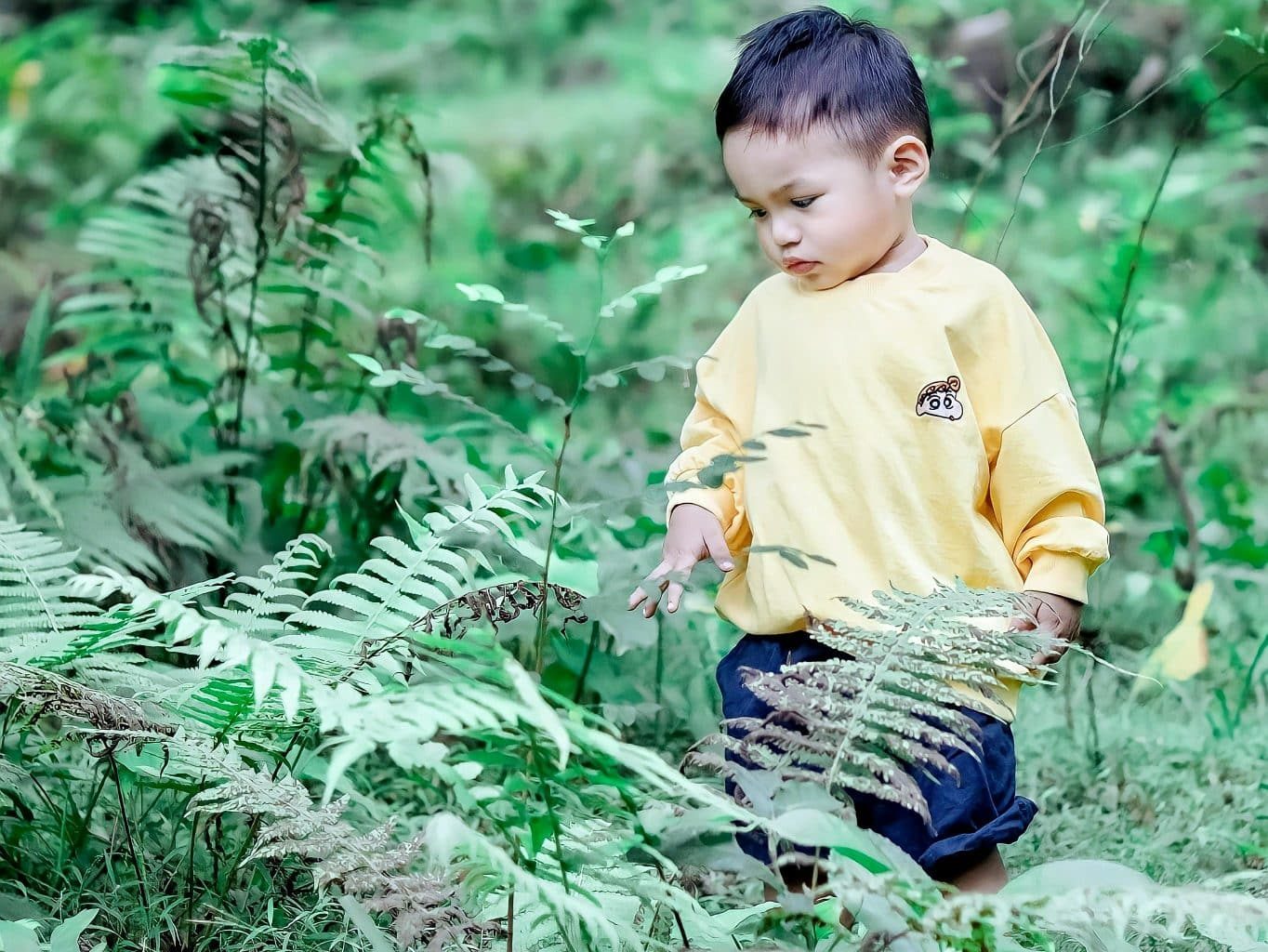
Curiosity is the engine of learning. Give your child opportunities to explore new things every day — from backyard insects to picture books to simple science experiments. Asking open‑ended questions like “What do you think will happen next?” helps kids think critically and feel proud of their ideas.
Tip: Turn everyday moments into mini lessons — grocery shopping can become a math game, and cooking can be a science experiment!
2. Create a Safe Space for Emotions

Children need to feel heard. When your child is upset, instead of immediately correcting or calming them, try saying things like: “I can see that really upset you.” Acknowledging emotions builds emotional intelligence and trust.
Remember: You don’t always have to fix the problem — sometimes just listening matters most.
3. Set Clear and Loving Boundaries

Kids thrive when routines and expectations are consistent. For example, a bedtime routine, screen time limits, and chore responsibilities help children feel secure and in control of their day. Gentle reminders and natural consequences work better than punishment.
Pro Tip: Use visual schedules (charts or checklists) so kids know what’s expected without repeated reminders.
4. Be a Role Model of Kindness
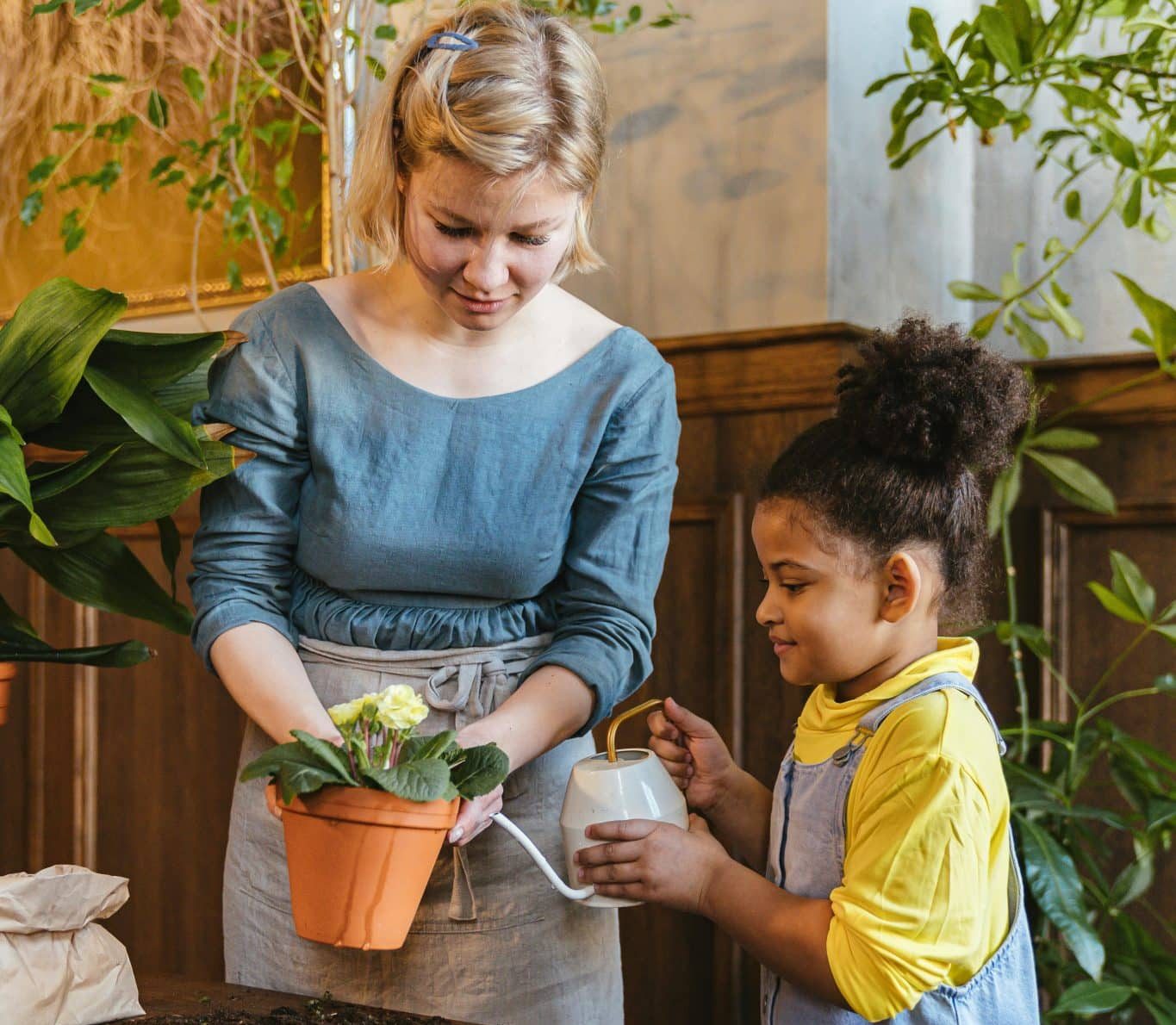
Children learn by watching. The kindness you show — to them, to others, and even to yourself — teaches them how to treat people. Saying “please” and “thank you”, apologizing when you’re wrong, and helping others are powerful lessons.
Little things count: Hold a door open together, donate old toys, or write thank‑you notes to family members.
5. Celebrate Effort — Not Just Success

Praise the effort your child puts in, whether they’re learning how to tie their shoes or trying out a new sport. When kids know you value their effort more than the result, they stay motivated and learn resilience.
What to say:
- “I noticed how hard you worked on that!”
- “You didn’t give up — that’s amazing!”
6. Read Together Every Day
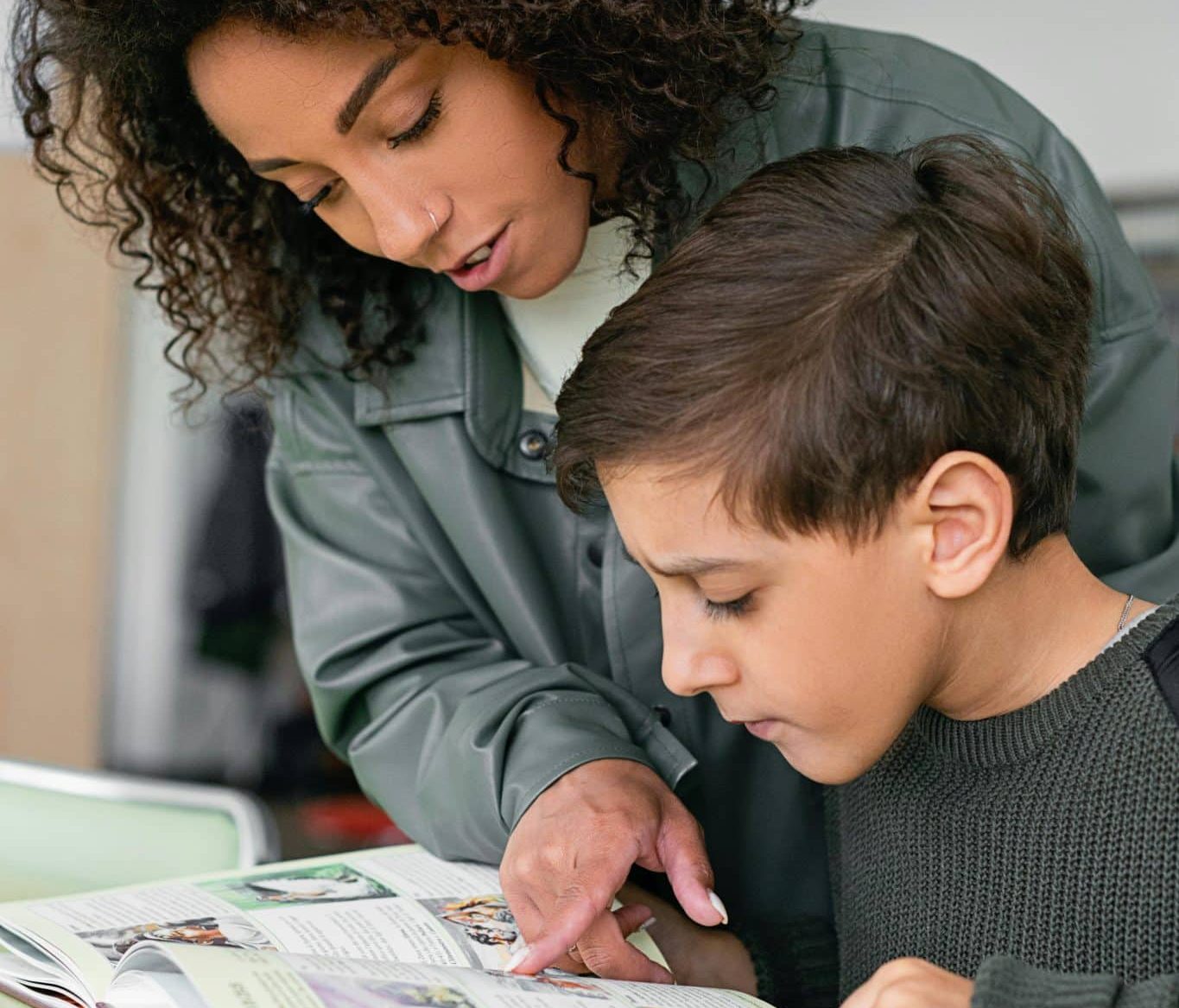
Reading does more than build language skills — it creates connection. Make reading a favorite part of the day by choosing stories your child loves and asking questions about the characters.
Fun tip: Have a special reading corner with comfy cushions and a build‑your‑own bookmark craft station.
7. Foster Independence Through Responsibility
Giving children age‑appropriate responsibilities, like making their bed or feeding a pet, builds independence and self‑esteem. Start small and increase responsibility as they grow.
Starter list:
- Sorting laundry by color
- Setting the table
- Packing their school bag
8. Encourage Healthy Play and Outdoor Time
Play is more than fun — it supports physical, social, and emotional development. Outdoor play especially boosts energy, reduces stress, and enhances creativity.
Play ideas:
- Scavenger hunts
- Nature painting with leaves and sticks
- Sidewalk chalk obstacle courses
9. Teach Problem‑Solving Skills
When children face a problem, walk through it together instead of solving it for them right away. Ask questions like: “What do you think we should try first?” This builds critical thinking and confidence.
Remember: Mistakes are learning opportunities — make space for trial and error!
10. Show Unconditional Love Every Day
Affection doesn’t have to be physical alone — it can be in words, hugs, time spent together, or even a smile. Saying “I love you” regularly, and showing that love in actions, gives children a secure foundation that stays with them for life.