

It is the wedding of your best friend, but you are still nursing. The problem is Nona: how can one get a fancy dress, yet allow easy access for the nurse and be comfortable throughout the entire duration of the long celebration?
As we know, bridesmaid dresses are often designed more for aesthetics than functionality, which makes them less ideal for nursing mothers.
So, today, we will provide you with a handy guide for selecting a nursing bridesmaid dress that will be effective in the commemorative events and in complementing the needs and requirements of motherhood. It is no longer a tradeoff between comfort to get and style vice versa, just by simply adopting a new attitude.
Tip 1: Prioritize Easy Nursing Access
The simplest solution exists in wrap dresses. The fabric just unravels when necessary and folds back into its classy drape. Side zippers provide another excellent option, particularly in royal blue satin one shoulder bridesmaid dresses where the slit creates natural cover during feeding.
In contemporary design, designers are allowing traditional elements such as concealed panels, magnetic closures, and discreet openings that are friendly to nurses. These innovations will fit perfectly into official designs, but at the same time, offer the necessary functionality.
Button-front styles work exceptionally well for nursing access. The buttons can be undone from the bottom up, allowing precise control over exposure. Choose styles with substantial buttons that operate easily with one hand.
Essential access features to look for:
- One-handed operation capability
- Proper positioning at breast level
- Secure closure when not in use
- Access to both sides
- Hidden openings that don’t compromise the dress’s silhouette
- Comfortable nursing position while seated
- Fabric that returns to proper drape after feeding
Test the access thoroughly during fittings. Bring a nursing bra and practice the entire feeding motion. Any dress that requires complicated maneuvering will create problems during the actual event.
Tip 2: Choose Stretch & Adjustable Fabrics
Bodies after the birth of a child keep evolving, and the choice of fabric matters much when it comes to comfort during lengthy weddings. Stiff materials are limiting and make one uncomfortable when enforced for too long.
Jersey knits are highly stretchy and present an elegant look. Ponte cloth is dressier, together with comfortable stretch. Spandex combinations allow variation of size, which takes place during the day as a result of feeding times.
Elastic waist bands and adjustable ties also provide flexibility as the day goes through. Such characteristics suit serving of meals, dancing, and the swinging of natural body changes without causing so much embarrassment.
Avoid structured materials such as taffeta, heavy satin, and hard fabrics. The former opposes natural activity and provides limitations to the holding, lifting, or carrying of a baby.
Practical fabric considerations:
- Wrinkle resistance for long events
- Breathability to prevent overheating
- Quick-drying properties for spill management
- Lint and hair resistance
- Shape retention after washing
- Machine washability for easy care
Dresses in the maternity style can be a blessing to a breastfeeding mother since they are made with consideration for a changing body. The buildings are designed to flex with changing dimensions but still have desirable profiles.
Tip 3: Flatter Your Postpartum Figure
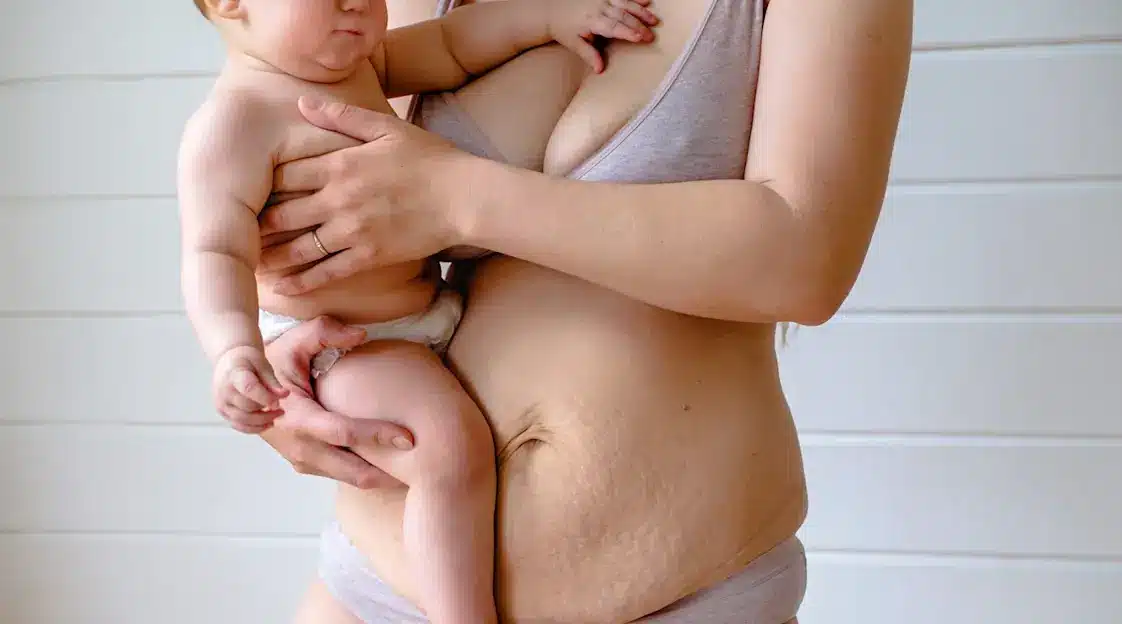
The decisions about what silhouettes flatter will increase confidence and a sense of comfort when long celebrations are involved. The right cut is adaptable to postpartum changes and produces a fancy outlook.
Empire waist dresses put the waist just below the bustline, and this offers hassle-free nursing access and covers the mid area caressingly. Through the torso, fit-and-flare and A-line styles offer forgiveness that does not compromise the feminine figure rule.
The use of colors influences the presentation greatly. Dark colors have the effect of making one look thinner and also conceal any stains as opposed to light colors. Vertical lines and discreet patterns obscure the points of concern as well as provide eye candy.
Avoid excessive tightness of the ribcage and the arms. Nursing mothers have to have the ability to move freely and carry babies, pick them up and drop them, without worrying that their clothes are restricting them.
Complimentary form rules:
- Empire waists for easy access and comfort
- A-line shapes for universal flattery
- Wrap styles for adjustability
- Defined waistlines to create shape
- Appropriate necklines for nursing bra compatibility
- Comfortable arm holes for movement
Tip 4: Consider Length & Movement
Dress length dramatically affects functionality during wedding events. The wrong length creates mobility issues, safety concerns, and practical problems when managing baby care.
Floor-length gowns are beautiful yet become a problem for breastfeeding mothers. Long skirts complicate the task of going up and down the stairs, carrying the babies, and diaper bags. When they are planned in beach or outdoor places, they increase these challenges.
Knee-length or tea-length dresses provide better practicality for most nursing mothers. These lengths allow free movement, easy sitting and standing, and clear visibility of surroundings.
Consider the venue and activities when choosing the length. Garden parties, beach ceremonies, and venues with stairs favor shorter hemlines. Formal evening receptions might accommodate longer styles better.
Movement and safety checklist:
- Comfortable sitting and standing transitions
- Clear visibility of feet and surroundings
- Easy car entry and exit
- Stair navigation safety
- Bathroom accessibility
- Dancing capability without tripping hazards
- Bend-over coverage for baby care tasks
Sort through the selected length of your attire and wear it for long hours in the house. Use steps, sit in different chairs, and train position to carry a baby to make sure that the dress can be worn in real life.
Tip 5: Test the Dress with Your Pump & Bra
Nursing equipment compatibility often gets overlooked during dress selection, leading to significant problems on the wedding day. Proper testing prevents wardrobe malfunctions and ensures functionality.
Bring the actual nursing bra to fittings, not regular undergarments. Nursing bras create different silhouettes and support levels that affect how dresses look and fit. Pump flanges should also be tested if pumping might be necessary during the event.
Bra strap visibility becomes crucial with strapless or off-shoulder dress styles. Ensure the chosen style accommodates nursing bra straps appropriately, or select convertible bras that work with the dress design.
Nursing pad placement affects the dress’s appearance significantly. Some styles show pad outlines, creating awkward bumps in photos. Choose seamless, thin nursing pads or dresses with enough structure to camouflage them.
Equipment compatibility factors:
- Nursing bra strap accommodation
- Pump flange accessibility
- Nursing pad discretion
- Bustline supports compatibility
- Metal detail interference with pumping
- Discrete storage for pump parts
Fabric interference with equipment function
The bust line should look natural and appropriate with nursing bra support levels. Nursing bras are also designed with its primary purpose in mind and thus, they might appear to have different shapes, as compared to the conventional bras.
Tip 6: Coordinate with the Bride & Wedding Theme
Being up-front with the bride will help avert a distressing misunderstanding and provide satisfaction to all parties. The majority of all brides desire a happy and comfortable wedding party, and the latter must know certain needs.
Explain nursing requirements early in the planning process. Present solutions rather than just problems by researching nursing-friendly bridesmaid dresses in the bride’s chosen color palette. Show how functionality can align with her aesthetic vision.
Coordinating wraps or shawls serve double duty as nursing covers and style elements. Many brides appreciate this addition because it adds layering and visual interest to photos while solving practical problems.
Consider offering to wear the same color in a different style that accommodates nursing needs. The method ensures group solidarity and, at the same time, keeps individuals comfortable and functional.
Communication strategies:
- Not only problems but solutions as well, should be introduced
- Provide examples of classy nursing-friendly items
- Offer compromises that do not change the wedding look
- Volunteer to make changes or special orders
- Present demands in terms of wishing to be the best bridesmaid ever
- Get suggestions instead of giving demands
Keep in mind that flexibility is a two-way rule. Be prepared to trade off certain style elements in favor of keeping strictly drawn boundaries regarding necessary functionality requirements.
Reference Checklist
These are key aspects that should be checked before coming to final decisions:
- Nursing access – Easy, discrete feeding capability
- Stretch fabric – Comfortable movement and size accommodation
- Flattering silhouette – Confidence-boosting fit and style
- Practical length – Safe, functional hemline for activities
- Equipment compatibility – Works with nursing bras and pumps
- Bride coordination – a woman to meet the aesthetic and needs of the wedding
Final Thoughts
Selecting nursing bridesmaid dress must be based on a number of considerations, yet, the ideal solution is available. Effective communication, realistic expectations, and proper planning establish positive outcomes to all the parties.
The aim is to have a special moment on a special day for the bride and still have comfort and functionality due to being a nursing mother. The effect is that, when the appropriate dress is worn, these two goals can be attained without compromising.
Do not forget that as a good bridesmaid, it is important to take care of personal needs in an appropriate way. The bridesmaid at ease and in reassured attire helps out more in the celebration as compared to the one who is trying to deal with her outfit being impractical.
