Water play at home is exciting for kids, but safety and maintenance can sometimes take a backseat to the fun. Without proper care, though, even small water features can pose risks.
Parents don’t need an expert to manage safe water spaces. A little knowledge about cleaning routines, replacement parts, and easy preventive measures goes a long way. Without further ado, here’s an overview of the basics.
Understanding the Role of Regular Cleaning in Water Safety
Maintaining clean water is crucial for your child’s safety, and should be carried out as part of domestic childproofing efforts. This matters because unclean water can harbor harmful bacteria, algae, and debris that put kids at risk of infections or accidents.
Set up a cleaning routine to ensure consistent upkeep:
- Empty and refill small water play features daily
- Use gentle scrubbing tools to remove dirt or slime from surfaces
- Clear any leaves, grass, or toys from larger pools after each use
If you have larger systems like hot tubs or above-ground pools:
- Clean filters every week to keep circulation healthy
- Vacuum the bottom periodically to eliminate sediment buildup
Regular checks also prevent slippery spots where algae may form. Consistency keeps your home’s water features inviting without turning into hidden hazards for little ones during playtime.
Essential Maintenance Tips for Common Home Water Features
Different water features require specific care to stay safe and functional. Whether you have a splash pad, kiddie pool, or hot tub, consistent maintenance reduces risks and extends their usability.
To keep things running smoothly:
- Drain inflatable or plastic pools completely after use to avoid stagnant water
- Check splash pads for clogged drains or cracked surfaces before playtime
- Inspect hoses and connections on fountains or misters for leaks regularly
For larger setups like hot tubs or above-ground pools:
- Schedule regular pump inspections to ensure proper circulation
- Replace worn-out seals around jets to prevent leaking issues
- Adjust chlorine levels weekly while avoiding harsh chemical imbalances
These simple habits make managing home water spaces easy without requiring extensive knowledge. You can also acquire entire maintenance assemblies to make seemingly big jobs a breeze, such as hot tub jet replacement kits available for various makes and models. You can order these separately and ask a professional to fit the parts if you are unsure of your own abilities.
Preventing Bacteria and Algae Growth in Play Areas
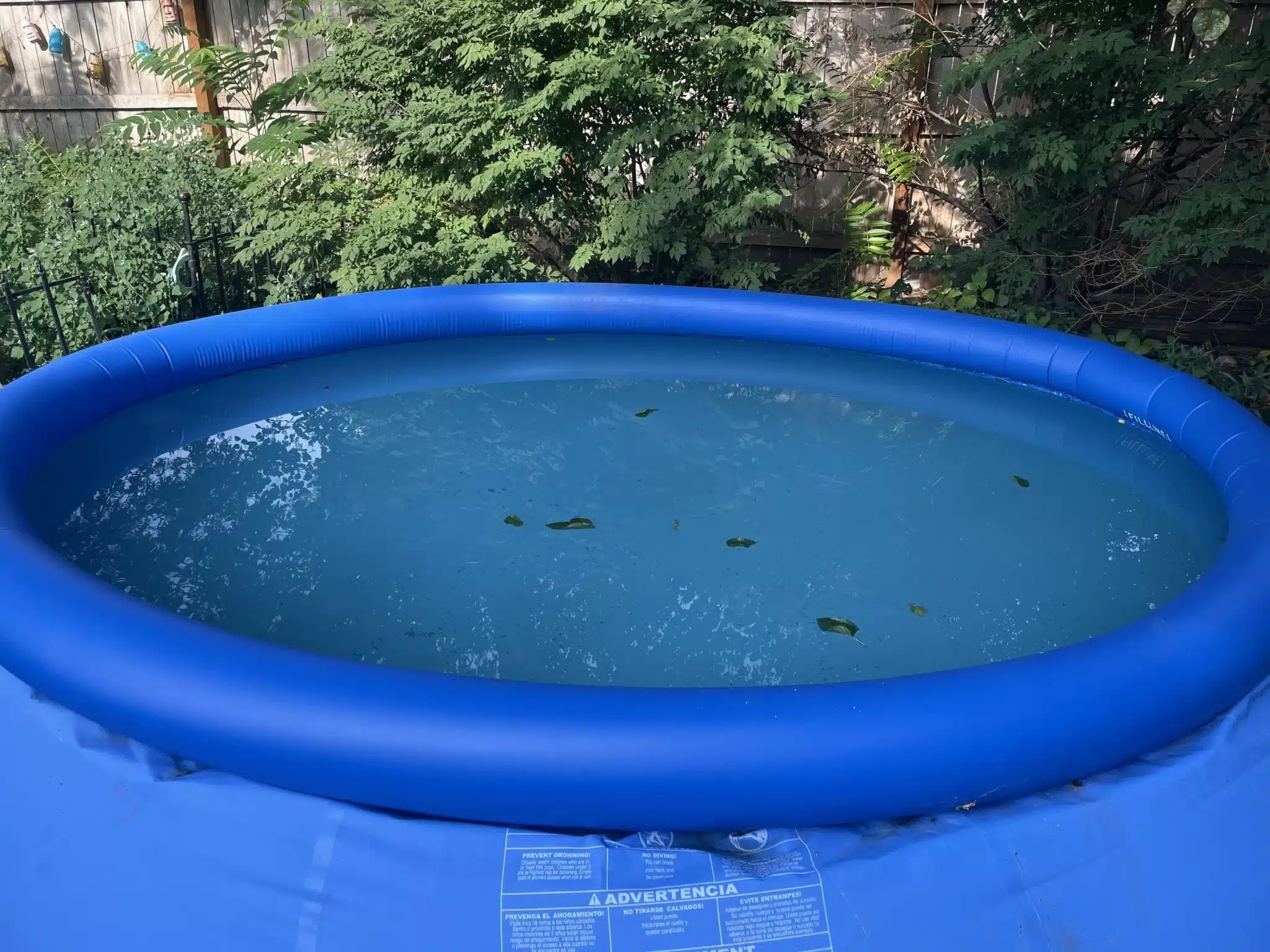
Bacteria and algae thrive in damp, stagnant environments, making water features potential breeding grounds if neglected. Simple preventive steps keep your child’s play areas clean and healthy.
To stay ahead of the problem:
- Keep water moving with small pumps or fountains where possible
- Scrub walls and floors regularly to remove slime buildup before it hardens
- Avoid leaving toys or objects submerged, as they can collect bacteria over time
For larger systems like pools or hot tubs:
- Test pH levels weekly to maintain proper balance for preventing growth
- Use safe algaecides occasionally when discoloration appears on surfaces
- Cover unused features tightly to limit exposure to dirt and sunlight, which encourages algae growth
Tackling these issues early means you’ll create a safe environment while reducing the need for extra cleaning efforts down the line.
Simple Steps to Monitor Water Quality at Home
Monitoring water quality doesn’t need to feel complicated. A few easy checks ensure your family’s play areas remain safe and enjoyable for daily use.
For starters:
- Use basic test strips weekly to check pH and chlorine levels in larger systems
- Look for cloudiness or unusual odors as signs of contamination needing attention
- Watch for slippery surfaces, which often signal algae or bacterial buildup
For smaller setups like splash pads or kiddie pools:
- Replace water daily instead of leaving it sitting between uses
- Rinse features with fresh water after every draining session
Investing in a testing kit pays off over time, especially if you’re managing multiple play spaces. These habits safeguard against potential health risks and also give peace of mind knowing your child plays in clean, monitored conditions.
Final Thoughts
As you can see, keeping water play safe at home really doesn’t require expert skills. With consistent cleaning, regular checks, and a focus on maintenance, you can create secure spaces for your child to enjoy. Small steps make a big difference in ensuring their fun stays worry-free while protecting their health every time they play.