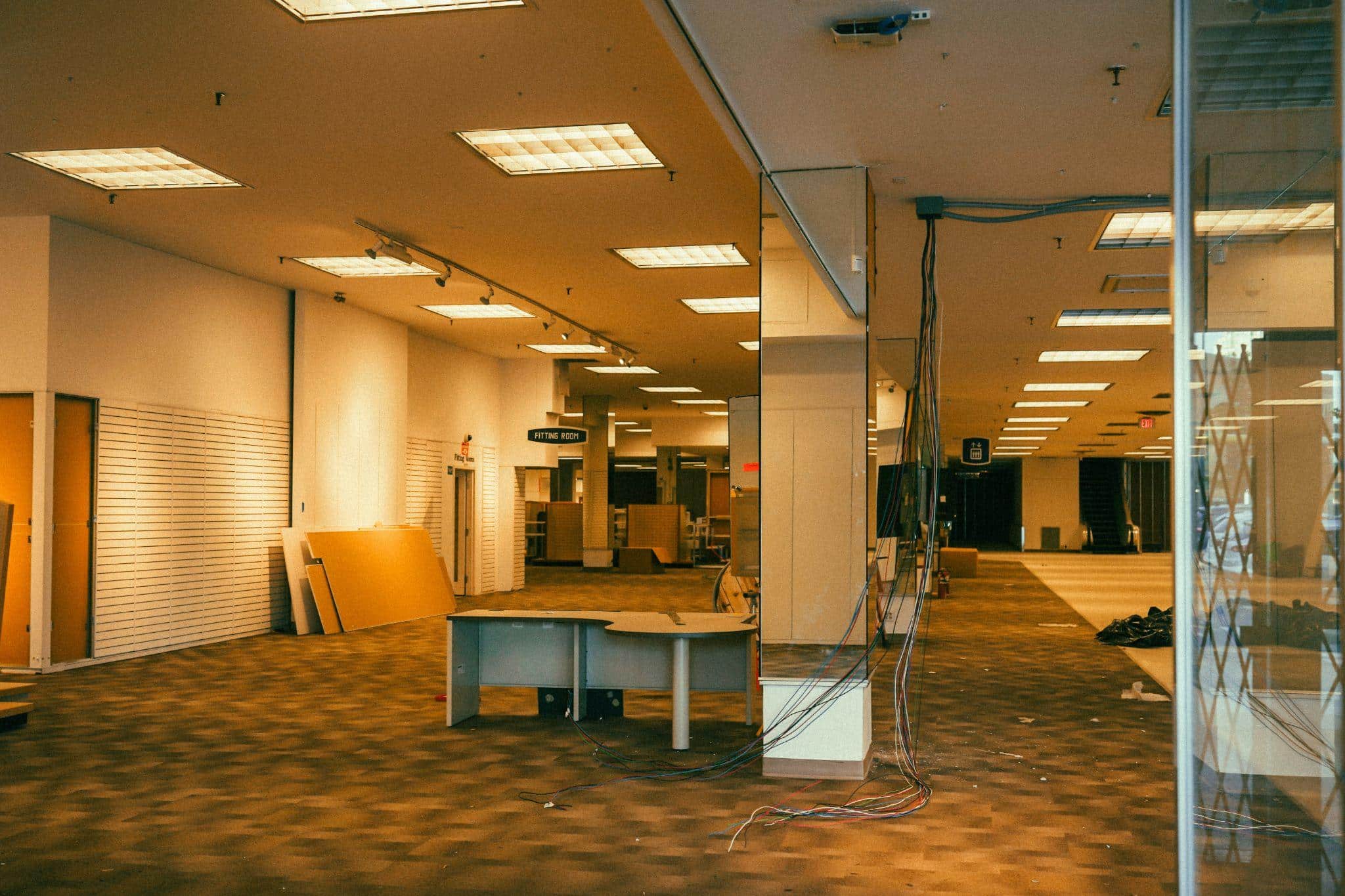
The modern Australian workplace is undergoing a dramatic transformation, driven by changing employee expectations, technological advancement, and a growing understanding of how physical environments impact productivity, creativity, and business success.
From Adelaide’s CBD to regional business centres across New South Wales and Victoria, companies are investing in comprehensive commercial fitouts that create inspiring, functional, and future-ready workspaces.
Commercial fitouts have evolved far beyond simple office renovations to encompass sophisticated design strategies, advanced building systems, and carefully curated environments that support diverse working styles while reflecting company culture and values.
Today’s successful fitouts integrate cutting-edge technology with human-centered design principles, creating spaces that attract and retain top talent while supporting business objectives and operational efficiency.
The complexity of modern commercial fitouts requires coordination between multiple specialists, from builders and electricians to interior designers and technology consultants. Each element must work harmoniously to create environments that are not only visually impressive but also functional, compliant, and conducive to long-term business success.
This comprehensive guide explores the essential elements that define successful modern commercial fitouts, providing Australian business owners and facility managers with the knowledge needed to transform their workspaces into competitive advantages that drive business growth and employee satisfaction.
The Foundation: Structural and Building Elements
Every successful commercial fitout begins with solid structural foundations and professional building services that ensure the space can support both current needs and future adaptations. The building envelope, structural modifications, and core infrastructure establish the framework within which all other fit-out elements must operate.
Structural assessment and modification often form the first phase of commercial fitouts, particularly when transforming existing buildings for new purposes or accommodating modern workplace requirements such as open-plan layouts, collaborative spaces, or specialized equipment areas.
Professional building expertise ensures that structural changes meet Australian building codes while supporting the intended use and occupancy loads. Experienced contractors like those from established firms such as builder Port Macquarie understand the unique requirements of commercial spaces and can navigate the regulatory environment while delivering quality results that meet both functional and aesthetic objectives.
Professional building contractors bring essential expertise to commercial fitout projects, coordinating complex installations while ensuring compliance with local regulations and building standards.
Building services integration encompasses heating, ventilation, air conditioning, and fire safety systems that must be carefully planned and installed to support modern workplace requirements.
These systems often require substantial coordination between different trades while ensuring that installations meet both current needs and future expansion possibilities.
Space planning and layout optimization require understanding how building constraints and opportunities can be leveraged to create functional, efficient, and inspiring work environments.
Professional design and building expertise help maximize the potential of existing spaces while identifying opportunities for improvements that enhance both functionality and employee experience.
Accessibility and compliance considerations ensure that commercial fitouts meet Australian Disability Discrimination Act requirements while providing safe, accessible environments for all employees and visitors.
Professional building expertise ensures that these requirements are integrated seamlessly into overall design and construction planning.
Electrical Systems and Technology Infrastructure
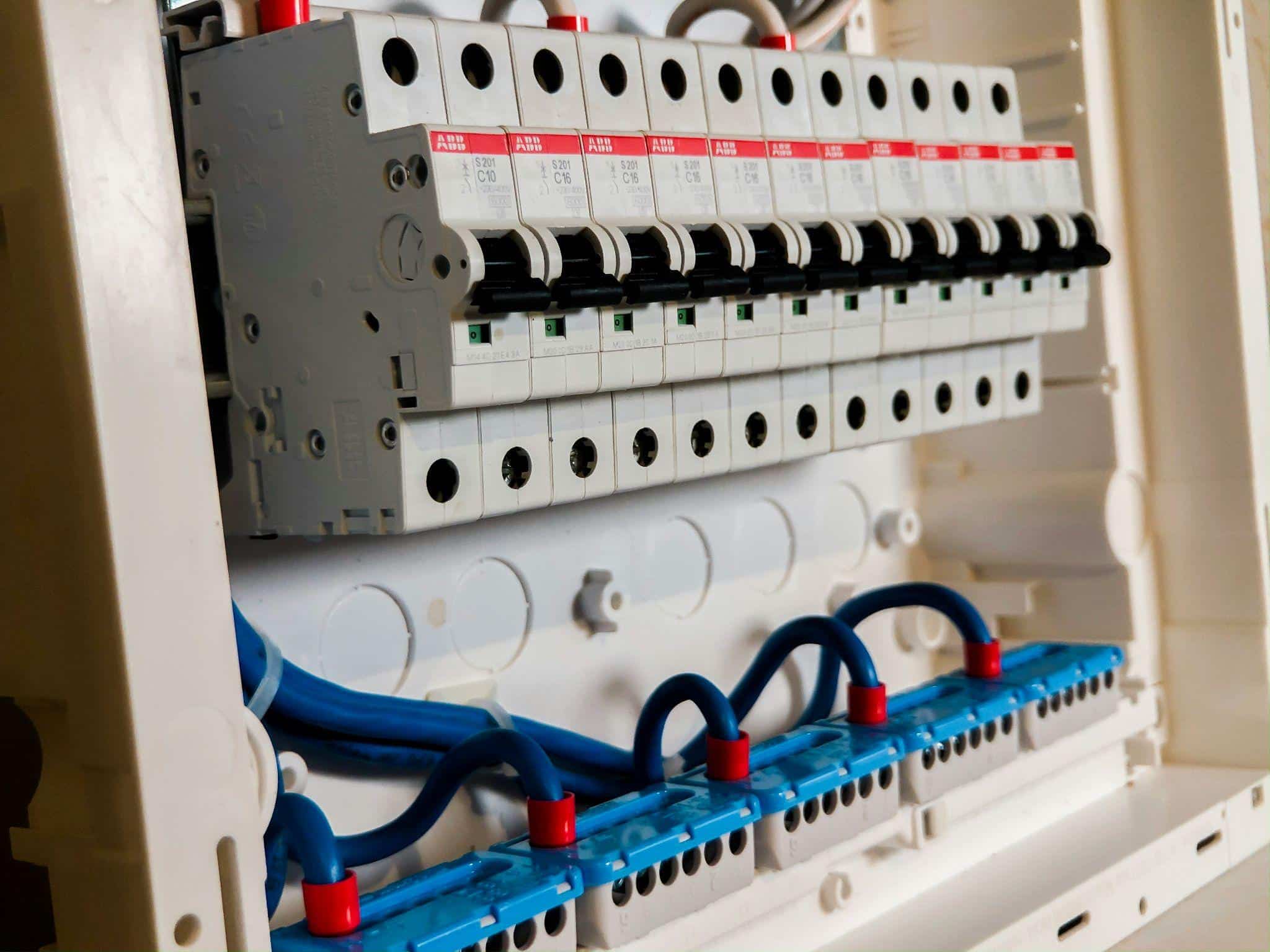
Modern commercial fitouts require sophisticated electrical systems and technology infrastructure that support diverse workplace technologies while providing flexibility for future adaptations and expansions. The electrical foundation determines what’s possible in terms of lighting, technology integration, and workplace functionality.
Professional electrical installation ensures that all systems meet Australian electrical standards while providing reliable, safe operation that supports business continuity. Qualified electrical contractors, such as Electrician Services in Ringwood, bring specialized expertise in commercial electrical systems, ensuring installations meet regulatory requirements while supporting operational needs and safety standards.
Power distribution systems must accommodate current workplace technology requirements while providing capacity for future expansion and changing technology needs. This includes adequate power outlets, data connections, and specialized circuits for equipment such as servers, kitchen appliances, and audio-visual systems that support modern business operations.
Lighting design has evolved to encompass both functional and aesthetic considerations, with modern LED systems providing energy efficiency, controllability, and lighting quality that supports productivity while creating attractive work environments. Professional electrical design integrates lighting controls, natural light optimization, and task-specific lighting requirements.
Data and communications infrastructure form the backbone of modern workplace technology, requiring careful planning and installation to support current systems while providing flexibility for future technology upgrades. This includes structured cabling, wireless network infrastructure, and specialized connections for audio-visual and security systems.
Energy efficiency and sustainability considerations increasingly influence electrical system design, with smart building technologies, energy monitoring, and efficient equipment selection contributing to reduced operational costs while supporting corporate sustainability objectives.
Interior Design and Aesthetic Elements
The visual and aesthetic elements of commercial fitouts play crucial roles in creating environments that inspire employees, impress clients, and reflect company culture and values. Interior design decisions impact everything from employee satisfaction and productivity to brand perception and recruitment success.
Color schemes and material selections establish the foundation for workplace aesthetics while supporting functional objectives such as lighting optimization, maintenance requirements, and acoustic performance. Professional interior design expertise helps balance aesthetic objectives with practical considerations that impact long-term satisfaction and functionality.
Wall treatments and finishes provide opportunities to create visual interest while supporting branding objectives and acoustic requirements.
Furniture selection and space planning determine how effectively commercial spaces support different work activities while contributing to overall aesthetic objectives.
Modern workplace furniture must accommodate diverse working styles while providing ergonomic support and aesthetic appeal that enhances employee satisfaction.
Art and graphics integration provides opportunities to reinforce company culture and values while creating visually interesting environments that inspire creativity and engagement. Strategic art placement and graphic design contribute to wayfinding, brand reinforcement, and overall aesthetic success.
Professional wallpaper Adelaide services can transform commercial spaces through sophisticated wall covering installations that add texture, pattern, and visual appeal while supporting design themes and branding objectives.
Natural elements and biophilic design principles increasingly influence commercial interior design, with plants, natural materials, and nature-inspired design elements contributing to employee well-being while creating more engaging and comfortable work environments.
Flooring Solutions: Durability Meets Design
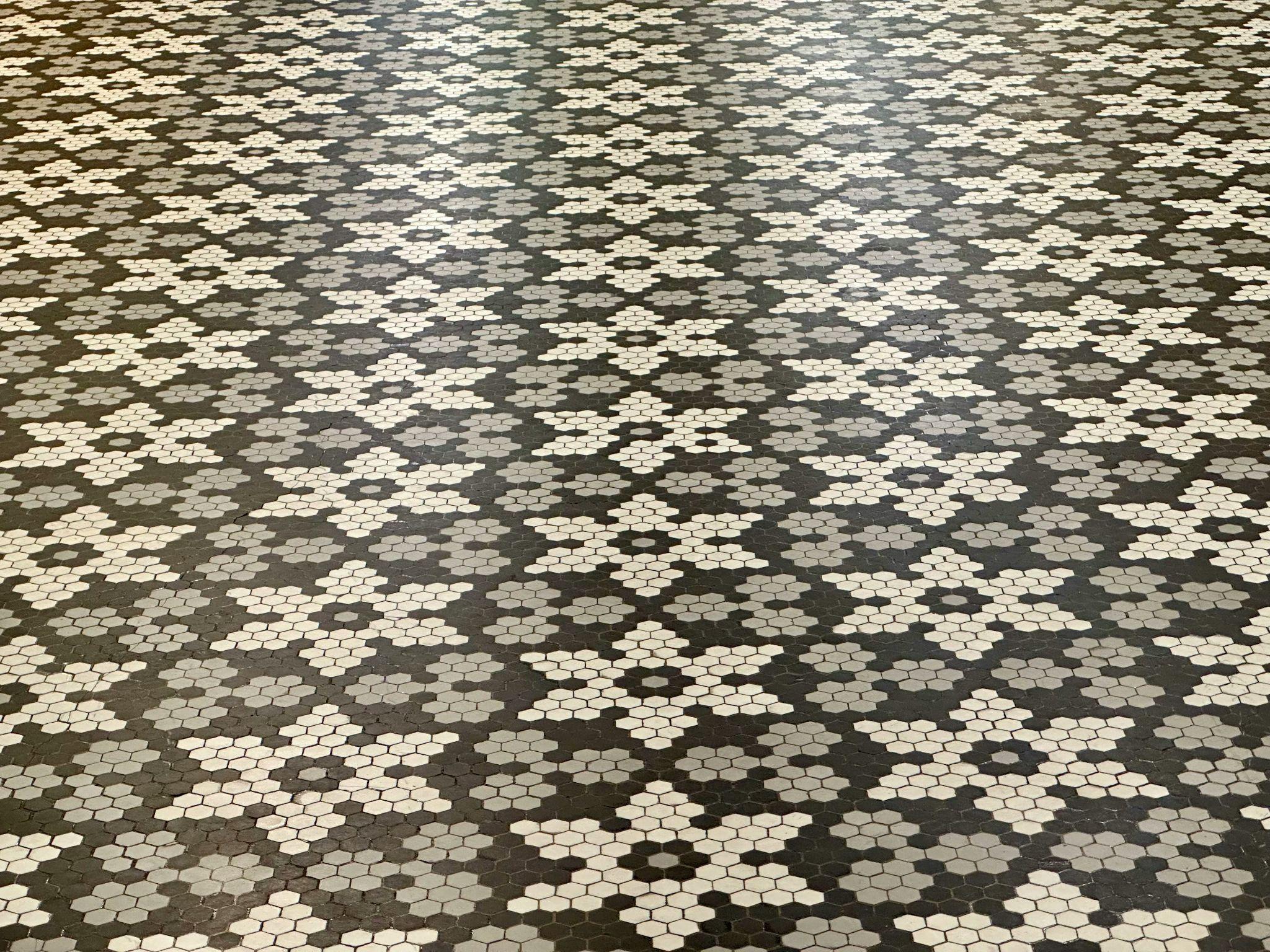
Flooring represents one of the most visible and functionally important elements of commercial fitouts, requiring solutions that balance durability, aesthetics, maintenance requirements, and cost considerations. The choice of flooring materials and installation methods significantly impacts both the appearance and functionality of commercial spaces.
Commercial flooring must withstand heavy foot traffic, furniture movement, and daily wear while maintaining appearance and safety standards over extended periods.
Epoxy systems are particularly valuable for commercial spaces requiring easy maintenance, stain resistance, and long-term durability, making them ideal for areas such as kitchens, storage areas, or high-traffic zones.
Carpet and soft flooring options contribute to acoustic comfort and aesthetic warmth while providing comfort for employees who spend extended periods on their feet. Modern commercial carpeting systems offer improved durability, stain resistance, and maintenance characteristics while supporting diverse design objectives.
Hard surface flooring, including timber, vinyl, and stone material, provides durability and easy maintenance while contributing to modern aesthetic objectives. These materials often work well in reception areas, meeting rooms, and other spaces where appearance and easy maintenance are priorities.
Flooring transitions and integration require careful planning to ensure smooth transitions between different materials while maintaining accessibility and safety standards. Professional installation ensures that different flooring systems integrate properly while meeting building code requirements.
Different areas within commercial spaces often require different flooring solutions based on their specific functions, traffic patterns, and aesthetic requirements. High-performance flooring solutions such as epoxy floor paint provide exceptional durability and chemical resistance while offering design flexibility through color and texture options.
Technology Integration and Smart Building Features
Modern commercial fitouts increasingly incorporate smart building technologies and integrated systems that enhance operational efficiency while providing enhanced user experiences. These technologies support both current operational needs and future adaptability requirements.
Audio-visual systems integration supports modern presentation requirements while enabling effective communication between remote and in-person participants. Professional AV design ensures that technology supports business objectives while providing reliable, easy-to-use systems that enhance rather than complicate daily operations.
Building automation and control systems enable efficient management of lighting, climate, and security systems while providing data insights that support operational optimization and energy efficiency objectives. Smart building features contribute to reduced operational costs while enhancing occupant comfort and satisfaction.
Security and access control systems must balance security requirements with user convenience while supporting diverse access needs and compliance requirements. Modern systems provide flexible access management while maintaining detailed records for security and compliance purposes.
Connectivity and network infrastructure support the diverse technology requirements of modern businesses while providing flexibility for future technology upgrades and expansions. Professional network design ensures reliable connectivity while supporting both current and anticipated future requirements.
Internet of Things (IoT) integration enables advanced monitoring and control capabilities while providing data insights that support facility management and operational optimization. These systems can monitor everything from space utilization and energy consumption to air quality and equipment performance.
Acoustic Design and Environmental Comfort
Creating comfortable, productive work environments requires careful attention to acoustic design, air quality, and environmental factors that impact employee comfort and performance. These considerations have become increasingly important as workplaces accommodate diverse activities and working styles.
Acoustic planning addresses both privacy requirements and noise management while supporting different types of work activities from focused individual work to collaborative team activities. Professional acoustic design integrates sound-absorbing materials, space planning, and mechanical system design to create appropriate acoustic environments.
Climate control and air quality management ensure comfortable, healthy work environments while managing energy costs and supporting productivity.
Modern HVAC systems provide precise climate control while incorporating air filtration and monitoring capabilities that support health and comfort objectives.
Natural light optimization and artificial lighting integration create visually comfortable environments while supporting circadian rhythms and energy efficiency objectives. Professional lighting design balances these considerations while providing adequate illumination for diverse work activities.
Indoor environmental quality encompasses air quality, temperature control, humidity management, and pollutant control that impact employee health and comfort. Professional environmental design addresses these factors systematically while supporting sustainability and operational efficiency objectives.
Essential Workplace Amenities
Modern commercial fitouts must include carefully planned amenities that support employee comfort, productivity, and satisfaction while addressing practical operational needs. These amenities have evolved from necessities to strategic elements that impact recruitment, retention, and workplace culture.
Kitchen and break area facilities require careful planning to support employee needs while managing traffic flow, maintenance requirements, and equipment integration.
Modern workplace kitchens often include sophisticated appliances, adequate storage, and flexible seating arrangements that encourage social interaction and relaxation.
Hydration and refreshment solutions have become essential elements of modern workplaces, with options ranging from basic facilities to sophisticated systems that support employee health and convenience.
Professional-grade solutions, such as a water cooler for office environments, provide reliable access to quality drinking water while supporting sustainability objectives through reduced single-use bottle consumption.
Meeting and collaboration spaces require specialized design and technology integration to support diverse meeting formats while providing acoustic privacy and professional presentation capabilities.
These spaces must accommodate both in-person and remote participants while providing flexibility for different group sizes and meeting types.
Storage and organizational solutions help maintain clean, organized work environments while providing secure storage for personal items, documents, and equipment. Professional storage planning ensures adequate capacity while maintaining aesthetic appeal and accessibility.
Wellness and comfort amenities, including quiet spaces, phone booths, and relaxation areas, contribute to employee satisfaction while supporting diverse work styles and personal needs that impact productivity and engagement.
Sustainability and Environmental Considerations
Environmental responsibility has become increasingly important in commercial fitout planning, with sustainability considerations influencing material selection, energy efficiency, and operational practices that impact both environmental performance and operational costs.
Materials selection increasingly emphasizes sustainable options, including recycled content, low-emission materials, and products with environmental certifications that support green building objectives while maintaining performance and aesthetic requirements.
Energy efficiency optimization encompasses lighting systems, equipment selection, and building automation technologies that reduce energy consumption while maintaining or enhancing occupant comfort and operational functionality.
Waste management and recycling systems support operational sustainability while meeting regulatory requirements and corporate environmental objectives. Professional planning ensures that these systems are convenient and effective while supporting overall sustainability goals.
Water conservation and management systems contribute to environmental performance while reducing operational costs through efficient fixtures, monitoring systems, and conservation practices that support sustainability objectives.
Air quality and ventilation optimization contribute to both environmental performance and occupant health while reducing energy consumption through efficient system design and operation.
Project Management and Implementation
Successful commercial fitout projects require sophisticated project management that coordinates multiple trades and suppliers while managing timelines, budgets, and quality standards. Professional project management ensures that complex fitouts are completed successfully while minimizing disruption to business operations.
Timeline coordination becomes particularly critical for commercial fitouts, as business disruption costs can quickly exceed project budgets if installations are not completed efficiently. Professional project management ensures that different trades and installations are coordinated effectively while maintaining project momentum.
Quality control and compliance verification ensure that all installations meet design specifications and regulatory requirements while maintaining the quality standards that support long-term satisfaction and performance.
Budget management and cost control require ongoing monitoring and adjustment to ensure that projects are completed within approved budgets while achieving desired quality and functionality objectives.
Communication and stakeholder management ensure that all project participants understand requirements and expectations while providing regular updates on progress and any issues that require attention or decision-making.
Maintenance and Long-Term Considerations
Successful commercial fitouts must consider long-term maintenance requirements and operational costs that impact the total cost of ownership while ensuring that spaces continue to support business objectives over extended periods.
Maintenance planning addresses both routine maintenance requirements and major system replacements that will be required over the life of the fitout. Professional planning ensures that maintenance requirements are manageable while supporting long-term performance and appearance standards.
Flexibility and adaptability planning ensure that fitouts can accommodate changing business needs, technology upgrades, and organizational evolution without requiring complete reconstruction. Professional design incorporates flexibility features that support future modifications and expansions.
Warranty and service support planning ensures that equipment and installations are properly supported throughout their service life while providing access to qualified service providers when maintenance or repairs are required.
Performance monitoring and optimization enable ongoing refinement of building systems and space utilization while identifying opportunities for improvements that enhance functionality and efficiency.
Conclusion: Creating Workspaces That Drive Success
Modern commercial fitouts represent strategic investments that impact every aspect of business performance, from employee satisfaction and productivity to client impressions and operational efficiency. Success requires comprehensive planning that integrates all essential elements while balancing current needs with future adaptability requirements.
The complexity of modern commercial fitouts makes professional expertise essential for achieving optimal results while managing costs and timelines effectively.
From structural building work and electrical systems to interior design and technology integration, each element must be carefully planned and expertly executed to create workspaces that truly support business success.
Australian businesses that invest in comprehensive commercial fitouts that address all essential elements while incorporating sustainability and flexibility considerations position themselves for long-term success in increasingly competitive markets.
The workspace transformation process requires significant investment and planning, but the benefits in terms of employee satisfaction, operational efficiency, and business performance justify the commitment required to create truly exceptional work environments.
The future of commercial workspace design continues to evolve, but the fundamental principles of combining functional excellence with aesthetic appeal while supporting employee wellbeing and business objectives remain constant.
By understanding and implementing these essential elements, businesses can create transformed workspaces that serve as competitive advantages while supporting sustainable growth and success.
Maria Ferdinand
Maria Ferdinand earned her degree in Interior Design from Parsons School of Design and has spent 6 years helping clients create stylish and functional spaces. She specializes in space optimization, ergonomic furniture selection, and minimalist design. Her aunt was a furniture designer, and growing up around custom-made pieces sparked her passion for interiors. She enjoys refurbishing antique furniture and experimenting with new home organization techniques.