The Modern Construction Project: From Infrastructure to Sustainable Solutions Across Australia and New Zealand
Mothers Always Right > Blog > Work > The Modern Construction Project: From Infrastructure to Sustainable Solutions Across Australia and New Zealand
The construction industry across Australia and New Zealand is experiencing unprecedented transformation, driven by technological innovation, sustainability imperatives, and evolving infrastructure demands that reflect both countries’ commitment to environmental stewardship and economic development.
From Sydney’s harbour developments to Auckland’s urban renewal projects, modern construction projects integrate advanced equipment, specialized personnel, and sustainable technologies to create infrastructure that serves current needs while preparing for future challenges.
This evolution reflects a fundamental shift in how construction projects are conceived, planned, and executed.
Where previous generations of builders focused primarily on structural integrity and cost efficiency, today’s construction professionals must balance these traditional concerns with environmental responsibility, energy efficiency, and long-term sustainability that align with both countries’ climate commitments and economic objectives.
The complexity of modern construction projects requires sophisticated coordination between specialized personnel, advanced equipment, and emerging technologies that work together to deliver infrastructure solutions capable of supporting growing populations while minimizing environmental impact.
This integration of human expertise, technological capability, and environmental consciousness defines the future of construction across the Tasman.
Understanding how these elements work together provides valuable insights for construction professionals, project managers, and infrastructure planners seeking to deliver projects that meet contemporary standards while preparing for the challenges and opportunities of the next decades.
The Foundation: Specialized Personnel and Expertise
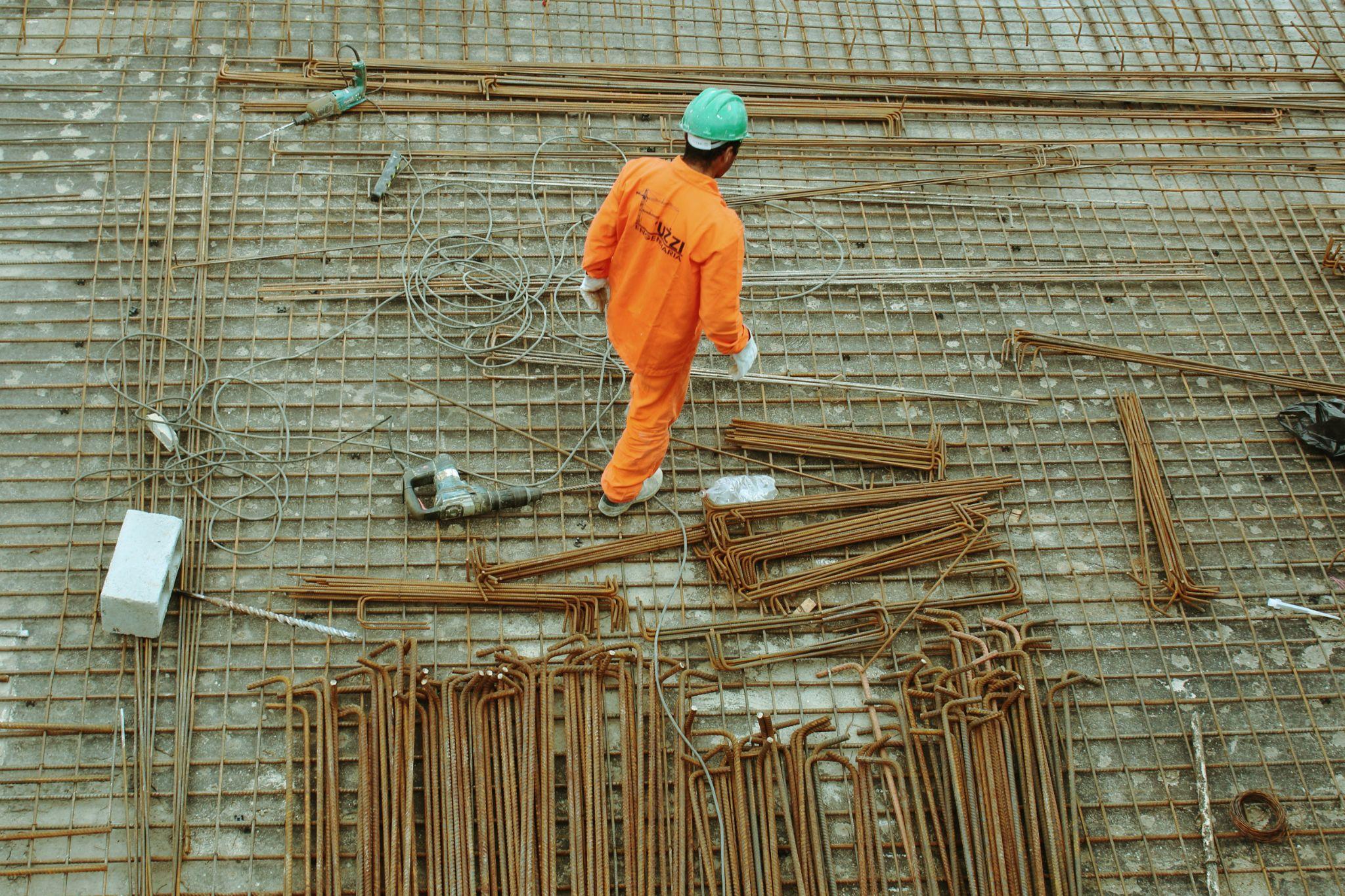
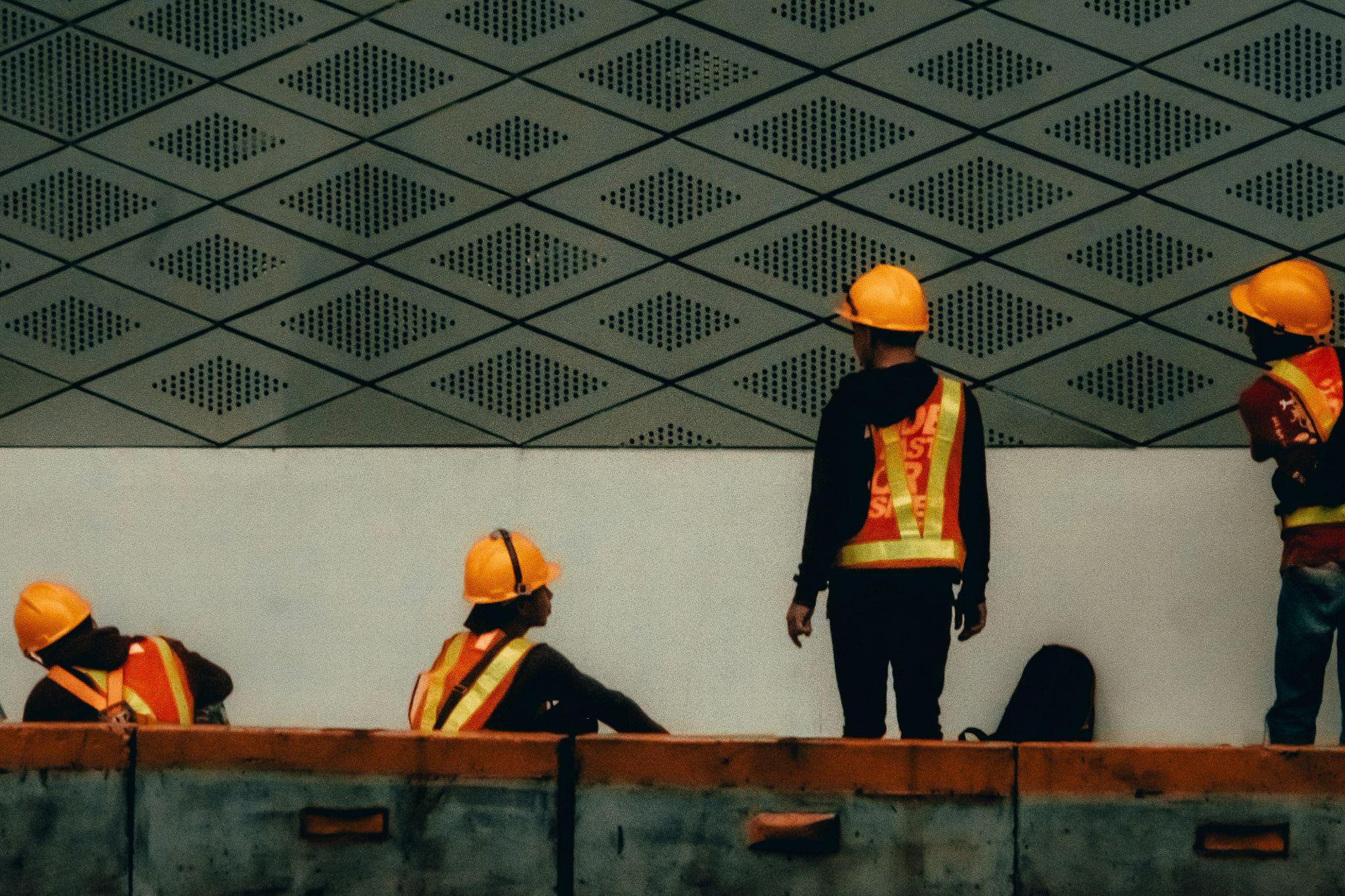
Modern construction projects begin with assembling teams of specialized professionals who bring diverse expertise to complex challenges that require coordinated solutions across multiple disciplines.
Professional construction personnelservices have become essential for major projects requiring coordination between multiple specialized trades while maintaining quality standards and project timelines.
The success of any construction project fundamentally depends on having the right people with appropriate skills working together effectively toward shared objectives.
The evolution of construction personnel requirements reflects the increasing sophistication of modern projects, where traditional building trades must integrate with specialized technicians, environmental consultants, and technology specialists who understand both construction fundamentals and emerging requirements for sustainability and efficiency.
These services provide access to qualified professionals who understand both traditional construction methods and modern technologies that enable more efficient, sustainable, and cost-effective project delivery.
Skilled labor shortages across both Australia and New Zealand have made strategic personnel planning increasingly important for project success.
Understanding how to access qualified personnel while managing costs and maintaining quality standards requires sophisticated workforce planning that considers both immediate project needs and long-term capacity building.
Professional development and training programs ensure that construction personnel maintain current knowledge of evolving technologies, regulatory requirements, and best practices that impact project success.
This ongoing education becomes particularly important as construction methods and technologies continue to advance rapidly.
Safety and compliance training represent crucial components of modern construction personnel management, ensuring that all workers understand and follow safety protocols while maintaining compliance with Australian and New Zealand workplace safety regulations that protect both workers and project outcomes.
Advanced Equipment and Material Handling
Material mixing and preparation equipment has evolved to provide precise control over concrete and other building materials that require specific consistency and quality characteristics.
Professional-grade systems, such as industrial mixing tank equipment, ensure that materials meet specification requirements while enabling efficient production and delivery schedules that support project timelines.
Modern construction projects require sophisticated equipment that can handle complex material preparation, precise installation procedures, and efficient project execution while maintaining safety and quality standards. The selection and operation of appropriate equipment often determine project success and profitability.
The importance of material quality in modern construction cannot be overstated, as today’s building standards require precise material characteristics that support both structural performance and environmental objectives.
Advanced mixing systems provide the consistency and control necessary to achieve these specifications while maintaining production efficiency.
Concrete production and handling systems must accommodate diverse mix designs that optimize performance characteristics while incorporating sustainable materials and practices that reduce environmental impact without compromising structural integrity or durability requirements.
Quality control systems integrated with modern mixing equipment provide real-time monitoring and adjustment capabilities that ensure materials meet specifications while reducing waste and improving consistency across large construction projects that require substantial material volumes.
Automation and digital integration in material handling equipment improve both efficiency and accuracy while reducing labor requirements and human error that can compromise material quality or project timelines.
Foundation Systems and Deep Construction
Foundation systems represent critical components of construction projects that require specialized equipment and expertise to ensure structural integrity while managing challenging soil conditions and environmental constraints common across Australia and New Zealand’s diverse geological landscapes.
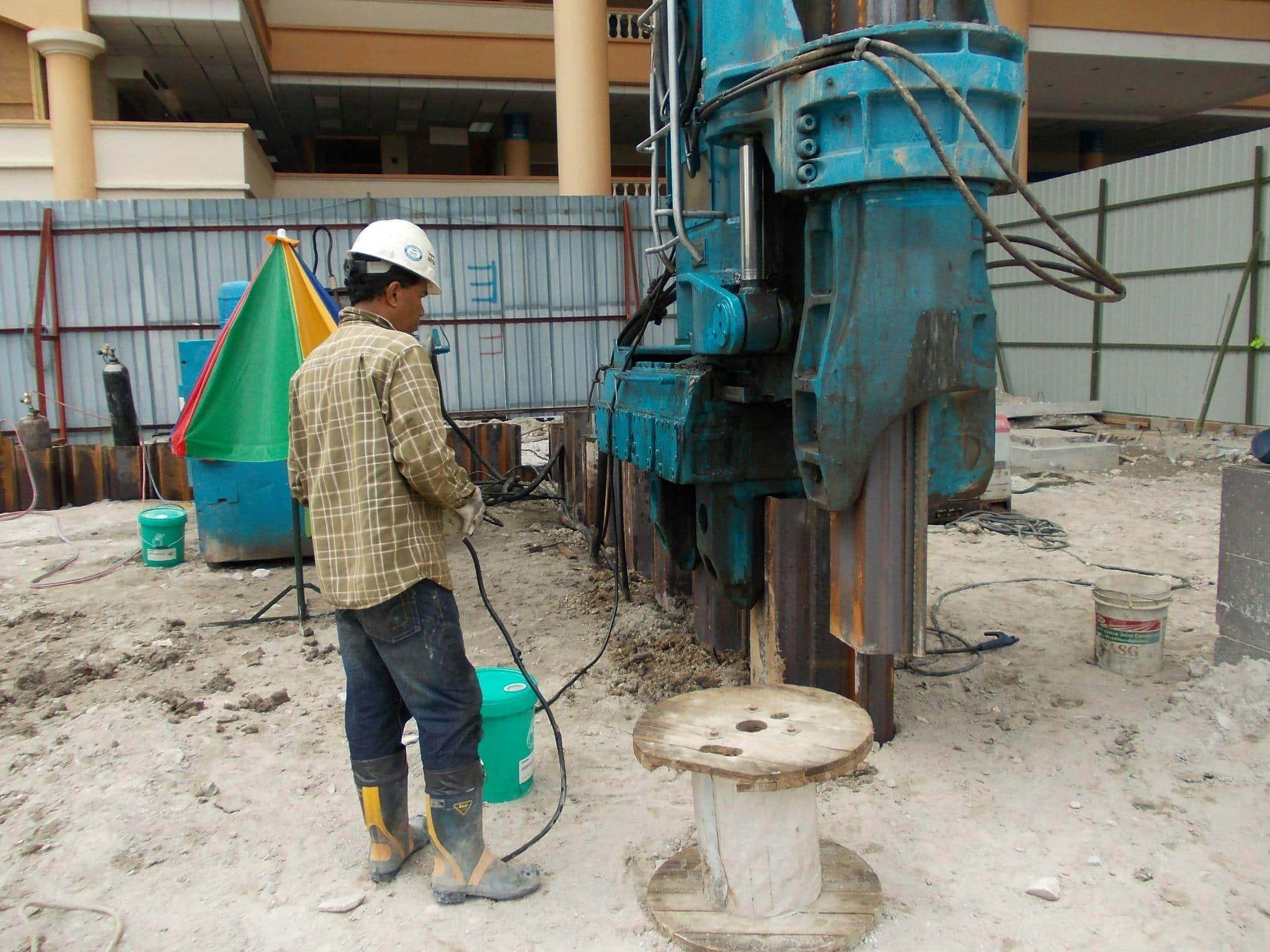
Deep foundation systems, including driven piles, drilled shafts, and specialized foundation elements, require precise installation procedures that must accommodate varying soil conditions while achieving specified load capacities and performance characteristics that support long-term structural integrity.
Pile installation equipment must provide both power and precision necessary for driving or drilling foundation elements while maintaining accurate positioning and depth control that ensures structural performance meets design specifications and building code requirements.
Specialized equipment, such as a Pile Cropper in Australia, provides essential capabilities for concrete pile installation and finishing that ensure foundation elements meet precise dimensional and structural requirements while maintaining installation efficiency and quality standards.
Foundation construction in challenging conditions requires equipment that can adapt to varying soil types, groundwater conditions, and access constraints while maintaining productivity and quality standards that support overall project success and timeline adherence.
Environmental considerations in foundation construction include minimizing soil disturbance, managing groundwater impacts, and reducing noise and vibration effects on surrounding areas while maintaining construction efficiency and meeting project specifications.
Sustainable Energy Integration
The integration of renewable energy systems into construction projects has become essential for meeting environmental objectives while reducing long-term operational costs and supporting climate commitments that both Australia and New Zealand have embraced as national priorities.
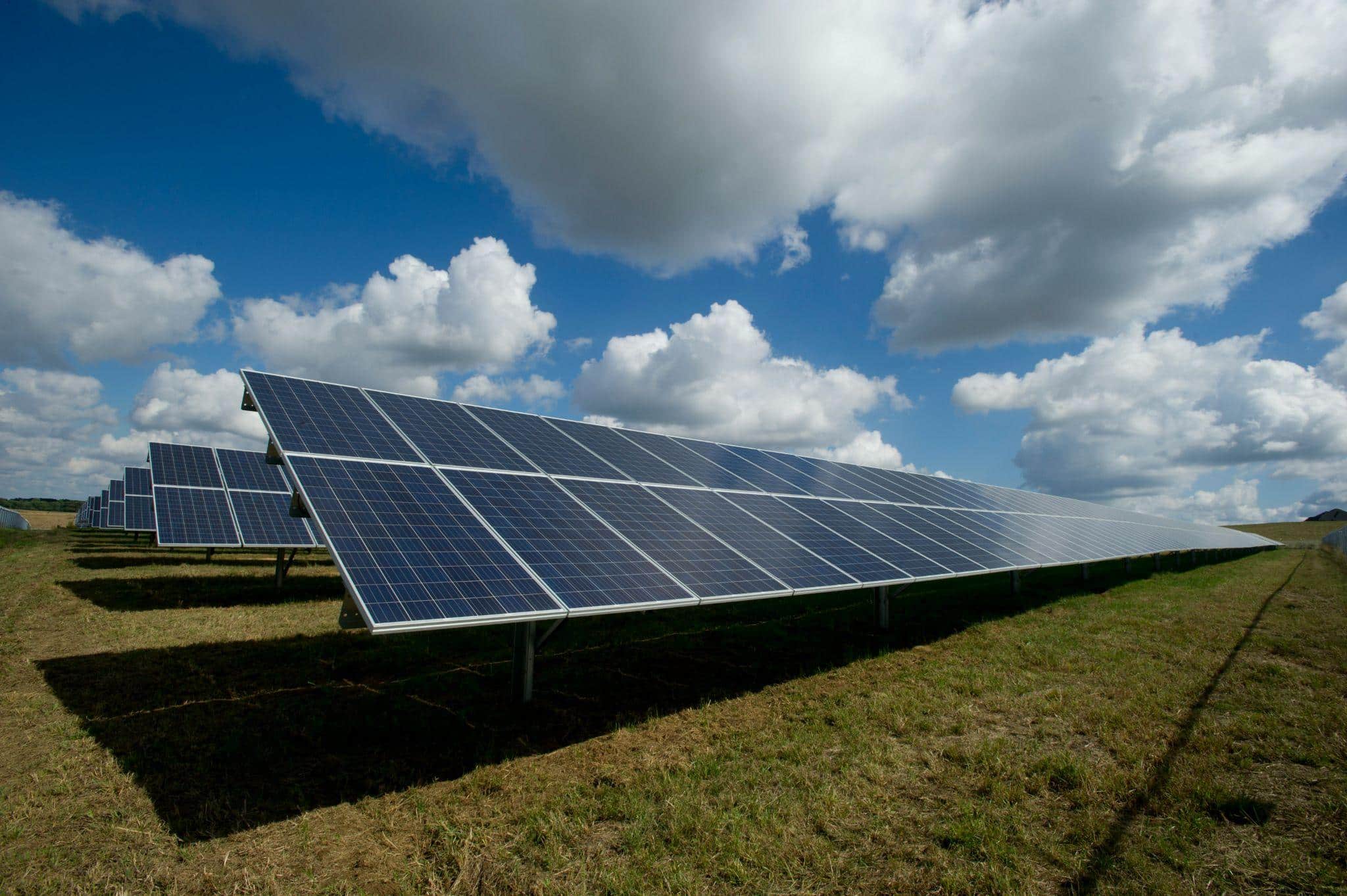
Solar energy systems represent the most accessible and cost-effective renewable energy option for most construction projects, providing opportunities to reduce grid dependence while supporting sustainability objectives and operational cost reduction that benefit both owners and occupants.
Professional solar installation services ensure that renewable energy systems are properly designed and installed to maximize performance while maintaining safety standards and regulatory compliance. Specialized services such as Solar Panels Frankston provide local expertise in solar system design and installation that accounts for regional climate conditions and regulatory requirements.
Energy storage and grid integration considerations become increasingly important as solar installations grow in scale and complexity, requiring sophisticated system design that optimizes energy production, storage, and utilization while maintaining grid stability and compliance with utility requirements.
Building-integrated photovoltaic systems provide opportunities to incorporate solar energy generation directly into building envelopes and structural elements, creating more aesthetically pleasing installations while maximizing available roof and facade areas for energy generation.
Smart energy management systems enable optimized utilization of renewable energy while providing monitoring and control capabilities that support both operational efficiency and maintenance planning for long-term system performance and reliability.
Project Coordination and Management
Modern construction projects require sophisticated coordination between multiple specialized contractors, suppliers, and consultants who must work together effectively while maintaining quality standards, timeline adherence, and budget control that ensure project success.
Communication and collaboration systems enable effective coordination between diverse project participants while providing real-time visibility into project status, potential issues, and coordination requirements that support proactive problem-solving and decision-making.
Quality control and compliance verification ensure that all project elements meet design specifications and regulatory requirements while maintaining the integration and compatibility necessary for successful project completion and long-term performance.
Timeline management and scheduling coordination become particularly critical for complex projects involving multiple specialized contractors and equipment installations that must be sequenced carefully to avoid conflicts and delays that could impact overall project success.
Budget control and cost management require ongoing monitoring and adjustment to ensure that projects are completed within approved budgets while achieving desired quality and performance objectives that support long-term value creation.
Infrastructure Completion and Traffic Management
The final phases of construction projects involve detailed finishing work and traffic management systems that ensure completed infrastructure functions safely and efficiently while meeting regulatory requirements and user expectations for quality and performance.
Traffic control and parking systems require precise installation and marking to ensure safe vehicle and pedestrian movement while maximizing space utilization and supporting efficient traffic flow that meets both current needs and future capacity requirements.
Professional line marking services provide essential infrastructure finishing that ensures clear vehicle guidance and space delineation while maintaining long-term durability and visibility under diverse weather conditions. Specialized services such as carpark line markingensure that parking facilities meet regulatory requirements while optimizing space utilization and traffic flow efficiency.
Road and pathway marking systems must incorporate reflective materials and precise application techniques that provide visibility and durability under challenging weather conditions while meeting regulatory specifications for thickness, color, and reflectivity characteristics.
Signage integration and wayfinding systems complement line marking installations to create comprehensive traffic management solutions that guide users safely and efficiently while supporting accessibility requirements and emergency vehicle access needs.
Maintenance planning for traffic management systems ensures that markings and signs maintain visibility and compliance throughout their service lives while providing cost-effective maintenance schedules that minimize disruption to facility operations.
Regulatory Compliance and Safety Management
Construction projects across Australia and New Zealand must comply with comprehensive regulatory frameworks that address safety, environmental protection, building performance, and accessibility requirements that ensure projects serve community needs while protecting public safety and environmental resources.
Building code compliance encompasses structural requirements, fire safety systems, accessibility provisions, and energy efficiency standards that must be integrated into project design and construction processes to ensure regulatory approval and occupancy permits.
Environmental compliance includes impact assessment, waste management, emissions control, and resource conservation measures that minimize project environmental impacts while supporting sustainability objectives and regulatory requirements.
Workplace safety compliance ensures that construction sites maintain appropriate safety standards while protecting workers and the public from construction-related hazards through systematic safety planning, training, and enforcement procedures.
Quality assurance and inspection processes verify that construction work meets design specifications and regulatory requirements while providing documentation necessary for regulatory approval and long-term warranty support.
Technology Integration and Innovation
Modern construction projects increasingly incorporate digital technologies and innovative construction methods that improve efficiency, quality, and sustainability while reducing costs and environmental impacts through better planning, execution, and management processes.
Building Information Modeling (BIM) technology enables sophisticated project visualization, coordination, and analysis that improves design quality while reducing conflicts and changes that can impact project costs and timelines during construction phases.
Drone technology and aerial surveying provide accurate site documentation and progress monitoring capabilities that support better project management while providing valuable data for planning, coordination, and quality control activities.
IoT sensors and monitoring systems provide real-time data about construction progress, environmental conditions, and system performance that support proactive decision-making while enabling predictive maintenance and optimization strategies.
Automated construction equipment and robotics are beginning to provide opportunities for improved precision, efficiency, and safety while reducing labor requirements and human error that can impact project quality and timeline performance.
Environmental Sustainability and Green Building
Environmental considerations have become central to modern construction planning and execution, with green building principles and sustainable construction practices increasingly required for regulatory compliance and market acceptance across both Australia and New Zealand.
Material selection increasingly emphasizes sustainable options, including recycled content, low-emission products, and materials with verified environmental performance characteristics that support green building certification and environmental objectives.
Waste reduction and management systems minimize construction waste while supporting recycling and reuse opportunities that reduce environmental impacts and disposal costs, while contributing to circular economy objectives.
Energy efficiency optimization encompasses building envelope design, mechanical system selection, and renewable energy integration that reduces operational energy consumption while supporting net-zero energy targets and climate commitments.
Water conservation and stormwater management systems reduce water consumption while managing runoff impacts through innovative technologies and design approaches that protect water resources while supporting sustainable development objectives.
Regional Considerations and Market Dynamics
Construction practices and requirements vary significantly across Australia and New Zealand’s diverse regions, creating opportunities for specialized expertise and regional adaptation that reflect local conditions, regulations, and market preferences.
Climate adaptation considerations influence material selection, system design, and construction methods that must account for regional weather patterns, natural hazards, and environmental conditions that impact both construction processes and long-term building performance.
Regional labor markets and skill availability create different opportunities and challenges for construction personnel management while requiring adaptive strategies that optimize workforce utilization and development across diverse geographic markets.
Transportation and logistics considerations affect material sourcing, equipment deployment, and project scheduling while requiring coordination strategies that optimize efficiency while managing costs across large geographic areas with varying infrastructure capabilities.
Local regulatory variations require an understanding of different building codes, environmental requirements, and permitting processes that can significantly impact project planning, design, and execution strategies across different jurisdictions.
Economic Impact and Industry Development
The construction industry represents a significant economic driver across both Australia and New Zealand, with infrastructure investment supporting employment, economic growth, and community development while creating foundations for future prosperity and competitiveness.
Employment creation extends beyond direct construction jobs to encompass manufacturing, transportation, and service industries that support construction activities while providing career pathways and skills development opportunities for workers across diverse skill levels.
Economic multiplier effects from construction investment support broader economic activity while contributing to tax revenues and community development that benefit both local and national economies through improved infrastructure and employment opportunities.
Innovation and technology development within the construction industry create competitive advantages while supporting export opportunities and knowledge transfer that benefit broader economic development and international competitiveness.
Supply chain development and local content optimization create opportunities for domestic manufacturers and suppliers while reducing import dependence and supporting regional economic development through construction industry growth.
Future Trends and Opportunities
The construction industry continues evolving rapidly, with emerging technologies, sustainability requirements, and changing infrastructure needs creating both opportunities and challenges for industry participants across Australia and New Zealand.
Digitalization and automation trends promise to transform construction processes while creating opportunities for improved efficiency, quality, and safety through advanced technologies and systematic process improvement approaches.
Climate adaptation and resilience requirements are creating new opportunities for specialized expertise and innovative solutions that help infrastructure adapt to changing environmental conditions while maintaining performance and safety standards.
Urbanization and population growth create ongoing demand for construction services while requiring innovative approaches to density, sustainability, and infrastructure efficiency that support liveable communities and economic prosperity.
Skills development and workforce planning become increasingly important as construction requirements become more sophisticated, while creating opportunities for career advancement and professional development within the industry.
Conclusion: Building the Future Together
The modern construction landscape across Australia and New Zealand represents unprecedented opportunities for innovation, sustainability, and economic development through integrated approaches that combine specialized expertise, advanced equipment, and environmental responsibility.
Success in this evolving industry requires understanding how diverse elements work together to create infrastructure that serves both current needs and future aspirations.
The integration of professional personnel, advanced equipment, sustainable technologies, and comprehensive project management creates possibilities for construction projects that exceed traditional expectations while supporting environmental objectives and economic development goals that benefit entire communities.
As both countries continue growing and evolving, the construction industry will play a crucial role in creating infrastructure that supports prosperity, sustainability, and quality of life for current and future generations.
The professionals, technologies, and approaches discussed in this guide provide the foundation for achieving these ambitious objectives while building careers and businesses that contribute to this essential industry.
The future of construction across the Tasman promises continued innovation and opportunity for those willing to embrace new technologies, sustainable practices, and integrated approaches that recognize the interconnected nature of modern construction challenges and solutions.
By understanding and implementing these comprehensive approaches, construction professionals can contribute to building the infrastructure foundation that will support Australia and New Zealand’s continued prosperity and environmental stewardship.
Ellisa Whey
Ellisa Whey earned her degree in Architecture from the University of Texas and has spent 8 years helping homeowners enhance their exteriors. She specializes in energy-efficient designs, durable materials, and curb appeal improvements. Her father was a contractor who introduced her to the world of home construction, sparking her interest in home design from an early age. She enjoys restoring historic houses and teaching her kids the basics of home maintenance.