

Ever wondered if you could teach your own kids at home instead of sending them off to traditional school every morning?
More families than ever are choosing homeschooling, and it’s not as complicated as you might think.
Whether you’re frustrated with the public school system, want more flexibility in your family’s schedule, or believe you can offer a better education at home, homeschooling might be the answer you’re looking for.
But where do you even start? What does it cost? How do you make sure your kids don’t miss out on socializing with friends?
This guide breaks down everything you need to know about homeschooling, from understanding state laws to choosing curriculum, creating schedules, and avoiding common beginner mistakes.
Let’s see how you can successfully start your homeschooling journey.
What Is Homeschooling and How Does It Work?
Homeschooling is when parents or guardians teach their children at home instead of sending them to a traditional public or private school. It’s a legal education option in all 50 US states, though each state has its own rules and requirements.
Unlike traditional schooling, homeschooling gives parents complete control over the curriculum and teaching methods.
Learning happens at the child’s own pace rather than keeping up with an entire classroom. Families enjoy a flexible schedule that fits their needs, whether that means starting later in the day, taking vacations during off-peak times, or adjusting for work schedules.
Instead of sitting in large classrooms with 25-30 students, homeschooled children receive one-on-one or small group instruction tailored specifically to how they learn best.
Types of homeschooling methods used in the US:
- Traditional/Structured: Follows a set curriculum similar to public schools
- Classical Education: Focuses on logic, rhetoric, and critical thinking
- Charlotte Mason: Emphasizes living books and nature study
- Unschooling: Child-led learning based on interests
- Montessori: Hands-on, self-directed activities
- Eclectic: Mix-and-match approach using various methods
How to Start Homeschooling Step by Step?
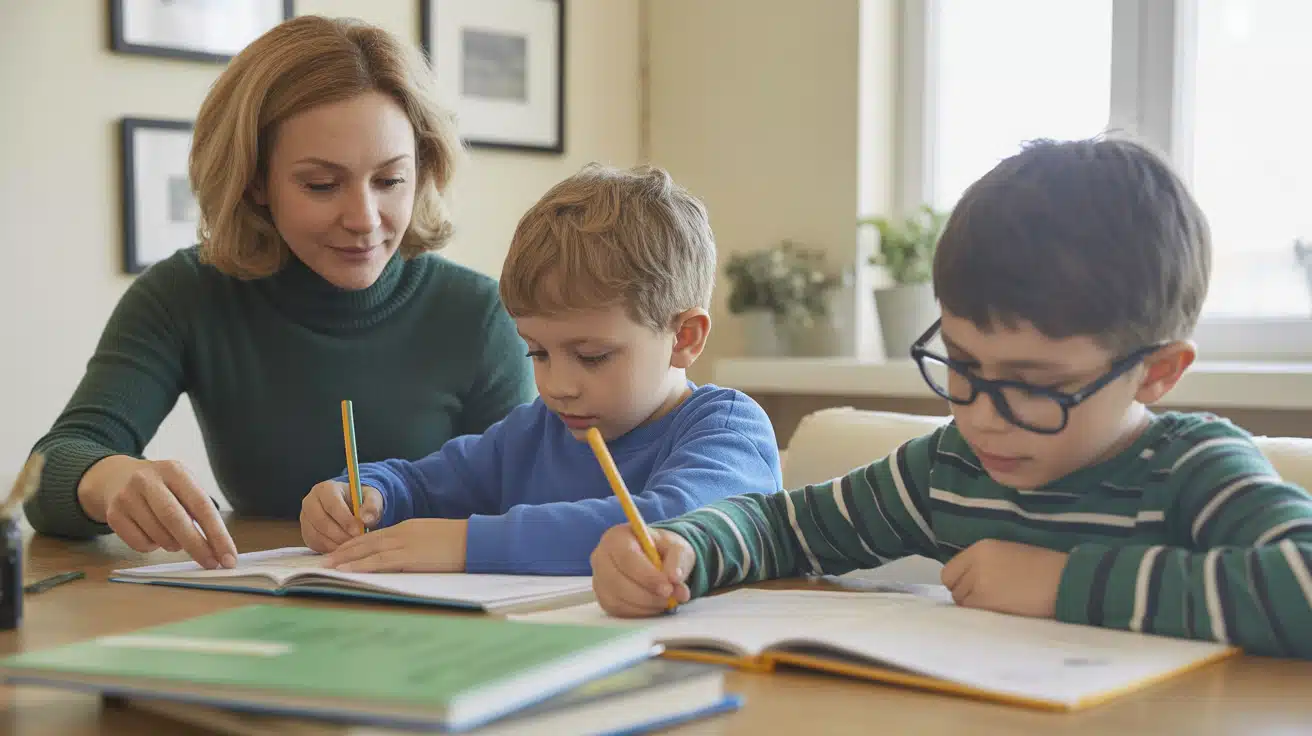
Starting homeschooling might feel overwhelming at first, but breaking it down into clear steps makes the process much easier to navigate.
1. Check Your State Homeschooling Laws
Every state has different homeschooling regulations, so this is your first stop. Some require notification letters to your school district, while others have minimal requirements.
Check notification requirements, attendance rules (like minimum school days per year), and whether your state mandates testing or portfolio evaluations at specific grade levels.
2. Decide Why You Want to Homeschool
Understanding your “why” helps you choose the right approach. Academic reasons might include wanting more challenging work or addressing learning gaps.
Flexibility matters if you travel frequently or need to accommodate family schedules. Consider whether your child needs a different learning pace, faster, slower, or just different from traditional classrooms.
3. Choose a Homeschooling Method
Traditional homeschooling uses a structured curriculum with textbooks and lesson plans. Online homeschooling offers virtual platforms with video lessons and professional teachers.
Unschooling lets kids learn through life experiences and personal interests without formal lessons. Hybrid or co-op learning combines home instruction with group classes where families share teaching or hire instructors.
4. Select a Homeschool Curriculum
Accredited curricula provide official transcripts, which help with college admissions. Non-accredited options offer flexibility but require you to handle records.
Free programs exist through online resources and libraries, while paid options ($200-$1,500+ yearly) include teacher support.
Choose between faith-based curricula that integrate religious teachings or secular programs focused purely on academics.
5. Set Up a Homeschool Schedule
Daily and weekly planning keeps you organized without being rigid. Elementary students typically need 2-4 focused hours, while high schoolers need 4-6 hours, much less than traditional school.
Balance flexibility with structure by setting a general routine but allowing breaks and adjustments when needed.
6. Create a Learning Space at Home
You don’t need a fancy setup. A kitchen table or a corner of a room works fine. Dedicated homeschool areas help kids focus better than constantly moving locations.
Stock basic supplies like pencils, paper, art materials, and a bookshelf. Keep distractions minimal during lesson time by setting simple “school rules” like putting away toys.
How Much Does It Cost to Start Homeschooling?
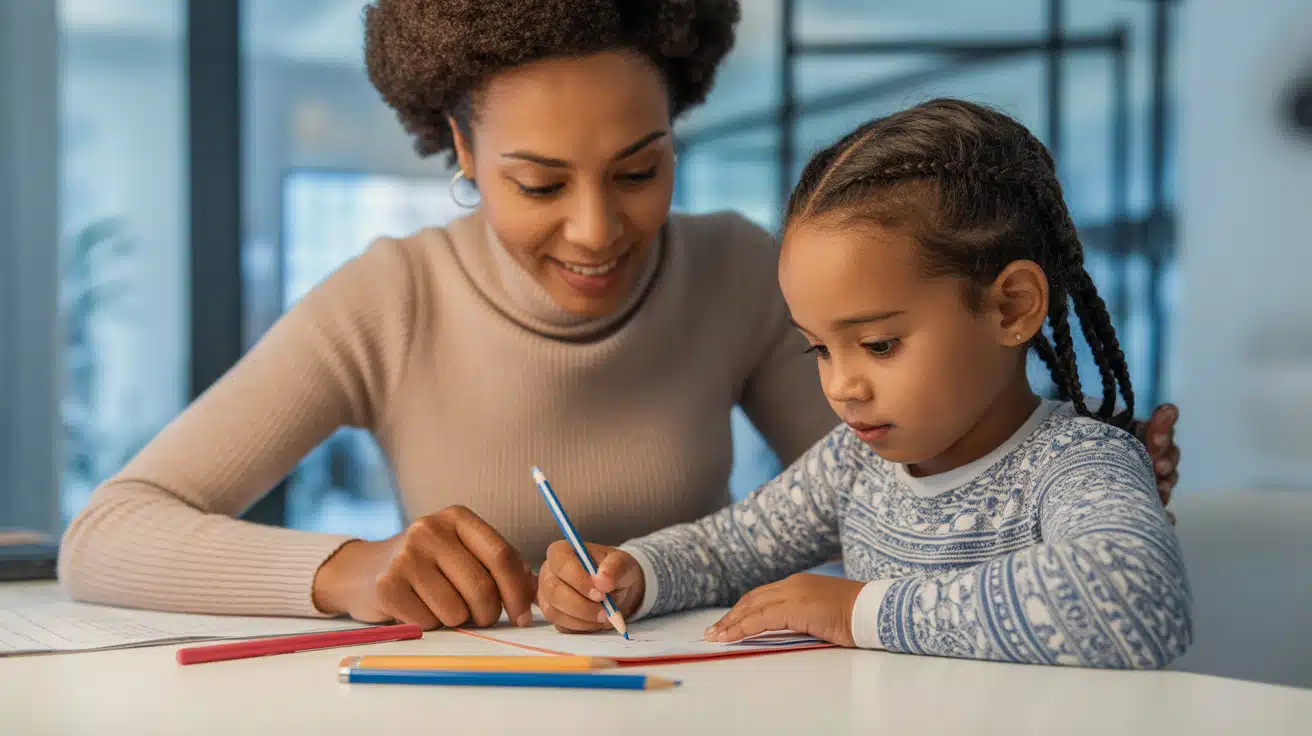
Starting homeschooling costs anywhere from nearly free to several thousand dollars per year, depending on your choices.
Typical expenses include curriculum ($300-$1,500), supplies ($100-$300), and books or materials ($200-$600 annually). If you use online programs with teacher support, costs can run $1,000-$3,000 per child.
But there are plenty of free resources available. Public libraries offer books, educational programs, and museum passes.
Websites like Khan Academy, YouTube educational channels, and state virtual schools provide free lessons. Many homeschool families also buy used curriculum or swap materials with other families.
Extracurricular costs (sports, music lessons, co-op classes) vary widely but typically range from $50-$300 per activity per year.
The bottom line? You can homeschool on almost any budget if you’re resourceful.
How to Socialize Homeschooled Children
One of the biggest concerns parents have is whether homeschooled kids will have enough social interaction. The good news? There are tons of opportunities.
- Homeschool co-ops bring families together for group classes, field trips, and social events. Kids learn alongside peers while parents often share teaching duties.
- Sports and extracurricular activities through community leagues, martial arts studios, dance classes, or music lessons provide regular interaction with other children.
- Community programs and clubs like library story hours, Scouts, 4-H, art classes, volunteer work, and church youth groups offer structured socialization. Many homeschoolers find that their kids are actually more socially active than they were in traditional school because they have time for diverse activities.
Common Mistakes When Starting Homeschooling
When you’re new to homeschooling, it’s easy to make a few missteps. Here are the most common pitfalls families encounter:
| Mistake | Why It’s a Problem | Better Approach |
|---|---|---|
| Trying to copy a public school at home | Leads to burnout and misses the benefits of flexible, personalized learning | Embrace homeschooling’s flexibility; lessons take less time than you think |
| Overbuying curriculum | Wastes money on materials you’ll never use; creates overwhelm | Start with basics, buy as you go, and borrow or buy used when possible |
| Ignoring state requirements | Can lead to legal issues and complications down the road | Research your state laws first and keep thorough records |
| Lack of routine or goals | Makes it hard to track progress and creates chaos | Set a loose routine and establish quarterly goals to stay focused |
The biggest mistake is trying to replicate a traditional school at home. Homeschooling is more efficient. You don’t need six-hour school days.
Overbuying curriculum happens when excitement takes over, but starting simple works best. Ignoring state requirements can create legal problems, so know your local laws.
Finally, having no routine makes everything feel chaotic. Set a general rhythm and simple goals to stay on track without being rigid.
Conclusion
Starting homeschooling is a big decision, but it doesn’t have to be overwhelming.
Take it one step at a time. Research your state laws, figure out your why, choose a method that fits your family, and start small. Remember, you don’t need to have everything perfect from day one.
Most homeschool families adjust and adapt as they go, finding what works best for their unique situation. The beauty of homeschooling is that you can customize education to fit your child’s needs, not the other way around.
Ready to leap? Start by checking your state’s homeschooling requirements today and connect with local homeschool groups for support.
You’ve got this, and thousands of families are successfully homeschooling right alongside you!
