
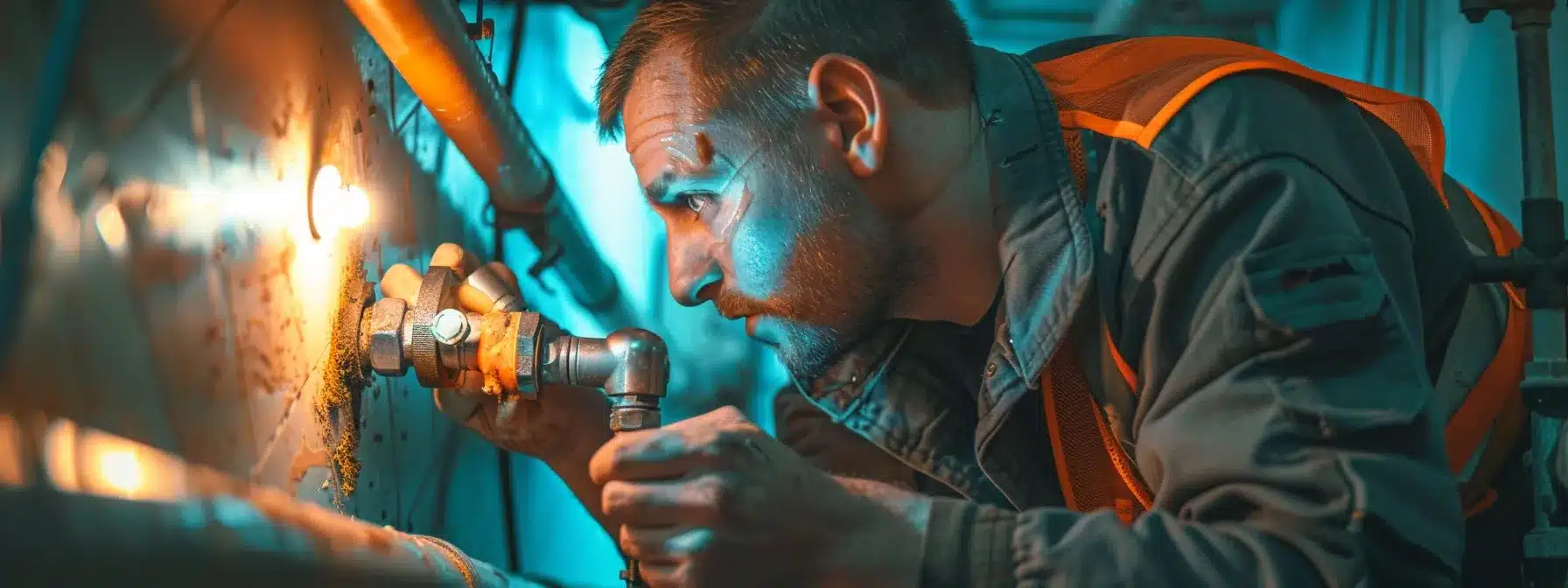
When a pipe bursts or a faucet drips, the dilemma ensues: should you attempt a repair yourself or call in the local professionals? Surveys have indicated that while DIY plumbing can save homeowners an average of 60% on small repairs, intricate issues handled improperly can catapult the costs by up to 150%. Deciding between local plumbers and DIY repairs involves careful consideration of several factors.
Each approach carries distinct advantages and potential pitfalls, from immediate cost savings to the long-term robustness of the solution applied. In this article, we delve into the nuanced decision-making process guiding homeowners towards the most practical and effective outcome for their plumbing woes.
Local Plumbers vs DIY Plumbing Repairs: Navigating Your Choices
Choosing between local plumbers and DIY plumbing repairs depends heavily on one’s skill level and the task at hand. Plumbers bring expertise that guarantees a job done right the first time, avoiding repeat issues. However, minor fixes, such as replacing a washer or unclogging a drain, can often be handled by homeowners themselves.
Engaging a professional plumber typically comes with warranties and the peace of mind that compliance with local codes is met. For instance, a licensed plumber will know the specific standards for pipe installations which vary by location, ensuring that all work is legal and up to code. In contrast, DIY projects lack such assurances, which could lead to complications down the road.
To make an informed decision, evaluate the scope of your plumbing problem against your abilities. For simple tasks, you might opt for a DIY tutorial. Yet, for anything beyond basic repairs, scheduling a consultation with a local plumber could prevent costlier mistakes and local plumbers ensure a lasting solution.
Assessing the Complexity of Your Plumbing Issue
Determining the complexity of a plumbing issue is critical when deciding between DIY or professional intervention. Basic tasks such as tightening connections or replacing a showerhead do not usually require extensive plumbing knowledge and can be suitable for DIY. In contrast, more complex matters, like installing new pipes or fixing sewage lines, demand a professional’s touch.
Without proper training, identifying the root cause of a problem may prove difficult for the average homeowner. A novice could perceive a persistent clog as a mere inconvenience, while a professional would recognize it as a symptom of a deeper systemic issue, such as a blocked sewer line. Homeowners attempting complex repairs can unwittingly exacerbate the problem.
If unsure about the complexity, consult online resources or manuals for guidance, but exercise caution. A good rule of thumb is to defer to professional expertise when the problem involves more than just surface-level fixes, to ensure your home’s plumbing system remains in optimal condition.
Cost Considerations: When to Call a Professional Plumber
Financial considerations play a significant role in choosing between a local plumber and DIY repair. While the short-term costs of DIY might seem appealing, improper repairs could lead to more substantial expenses. A leak undetected or improperly fixed can cause water damage, leading to costly home repairs that far exceed initial professional plumbing services.
Furthermore, professionals carry the correct tools and technology, which are often specialized and expensive for DIY enthusiasts to purchase for one-time use. By the time a homeowner buys the necessary equipment, the cost savings of DIY shrink substantially. Discover key insights regarding plumbing repair costs, effectiveness, and the potential need for follow-up work to make a sound financial decision.
When weighing the options, consider not only the upfront costs but also the potential for future savings. A professional plumber might identify ways to improve your system’s efficiency and lifespan, which could result in lower utility bills. If you’re torn, getting estimates from local plumbers can help determine the most economical approach over the long run.
Risks and Safety: Understanding When DIY Goes Wrong

The risks associated with DIY plumbing repairs cannot be overstated. Incorrectly performing a repair can lead to water damage, mold growth, and even structural damage to your home. High-stakes projects, such as gas line repairs or major installations, pose serious safety hazards and often require permits and inspections that only licensed professionals can navigate.
Electrical safety is another concern, especially in areas where water and electricity are in close proximity, like in kitchens and bathrooms. Amateur plumbers might overlook crucial safety steps, increasing the risk of electrocution or fire. DIY errors can lead to insurance claims being denied if they’re found to be the cause of the problem, putting the homeowner at financial risk.
Before undertaking any plumbing tasks, assess the potential risks thoroughly. When safety is a concern or the project’s scale intimidates you, err on the side of caution and engage a certified plumber. Trained professionals are equipped to handle the inherent dangers of plumbing work and can ensure that repairs are performed safely and effectively.
In conclusion, the dilemma between local plumbers and DIY plumbing repairs is governed by a mix of competence, complexity, cost, and safety considerations. Homeowners should weigh these factors carefully and recognize when enlisting the expertise of a professional plumber is the prudent choice to prevent costly and potentially hazardous mistakes.
