
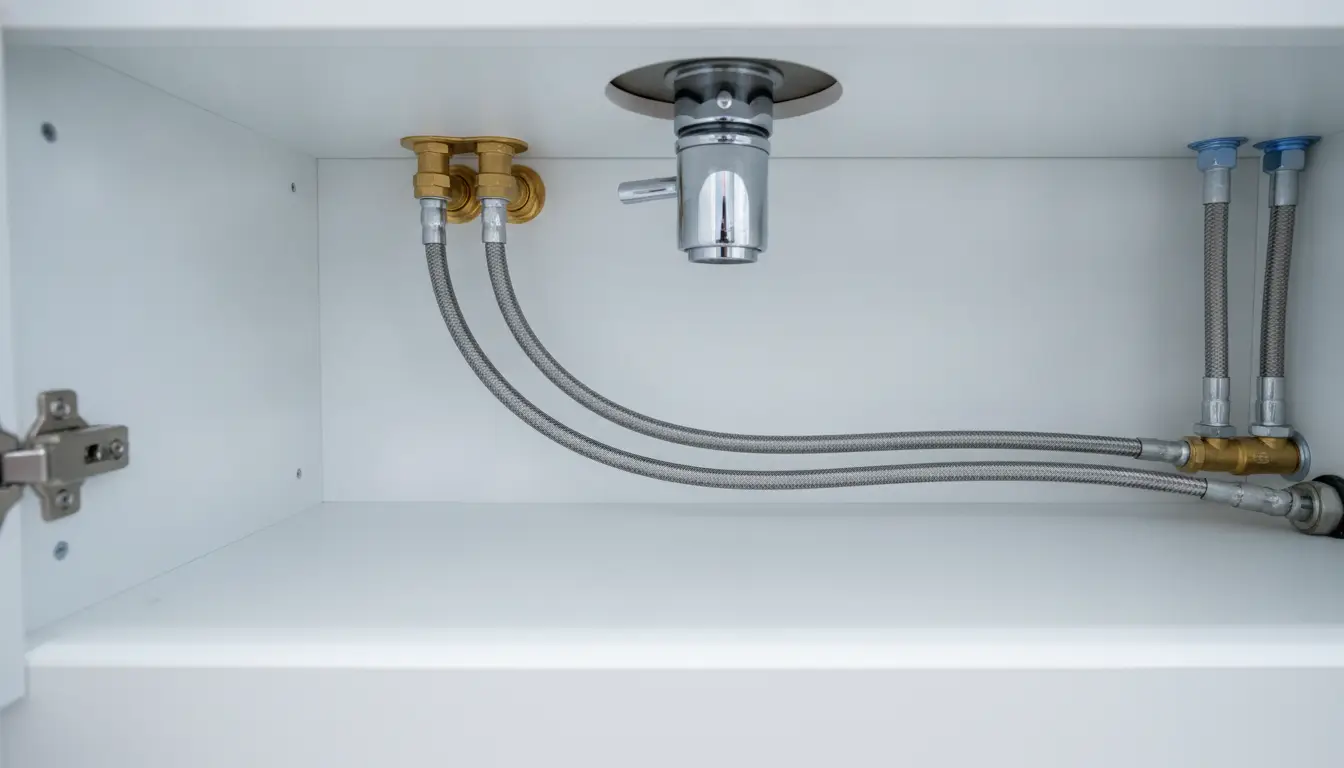
When homeowners plan a bathroom or kitchen renovation, the big decisions usually get the most attention: faucets, sinks, toilets, vanities, countertops, and flooring. These visible upgrades make a room feel new, so it is easy to overlook the smaller plumbing parts hidden underneath. One of the most commonly ignored components is the fixture supply line.
Fixture supply lines may not be the most exciting part of a renovation, but they play a major role in keeping water flowing safely to faucets, toilets, dishwashers, ice makers, and other fixtures. Choosing the wrong size, reusing an old connector, or ignoring signs of wear can lead to frustrating leaks, water damage, and last-minute project delays. For homeowners who want a smoother renovation, understanding supply lines is a simple but important step.
What Are Fixture Supply Lines?
Fixture supply lines are the small hoses or connectors that carry water from a shut-off valve to a plumbing fixture. You will commonly find them under bathroom sinks, kitchen sinks, behind toilets, or near appliances that need a water connection.
For example, a faucet connector usually runs from the angle stop valve under the sink to the hot or cold side of the faucet. A toilet supply line connects the shut-off valve near the floor or wall to the toilet fill valve. These parts may seem minor, but they are constantly under water pressure. That means quality, correct sizing, and proper replacement timing all matter.
Many modern supply lines are made with stainless steel braided hoses because they are flexible, durable, and easier to install in tight spaces. Compared with rigid tubing, braided hoses are often more convenient for renovation projects where fixture placement or cabinet layout may change slightly.
Why Correct Sizing Is So Important
One of the most common mistakes homeowners make is assuming all supply lines are the same. In reality, connectors come in different lengths and connection sizes. A faucet may require one size, while a toilet or appliance may require another.
For example, common faucet supply line connections may include compression fittings, female connectors, or specific faucet inlet sizes. Toilet supply lines often use a connection that fits the fill valve on one end and the shut-off valve on the other. If the size is wrong, the connector may not seal properly, or it may not connect at all.
Length also matters. A supply line that is too short can pull tightly between the valve and fixture, creating stress on the connection. A line that is far too long may loop awkwardly, kink, or crowd the cabinet space. During renovation planning, it is worth checking both the connection type and the required length before ordering parts.
Homeowners can browse plumbing parts and fixture connection options from suppliers like PlumbingSell to better understand the types of connectors commonly used in residential projects.
Supply Lines and Leak Prevention
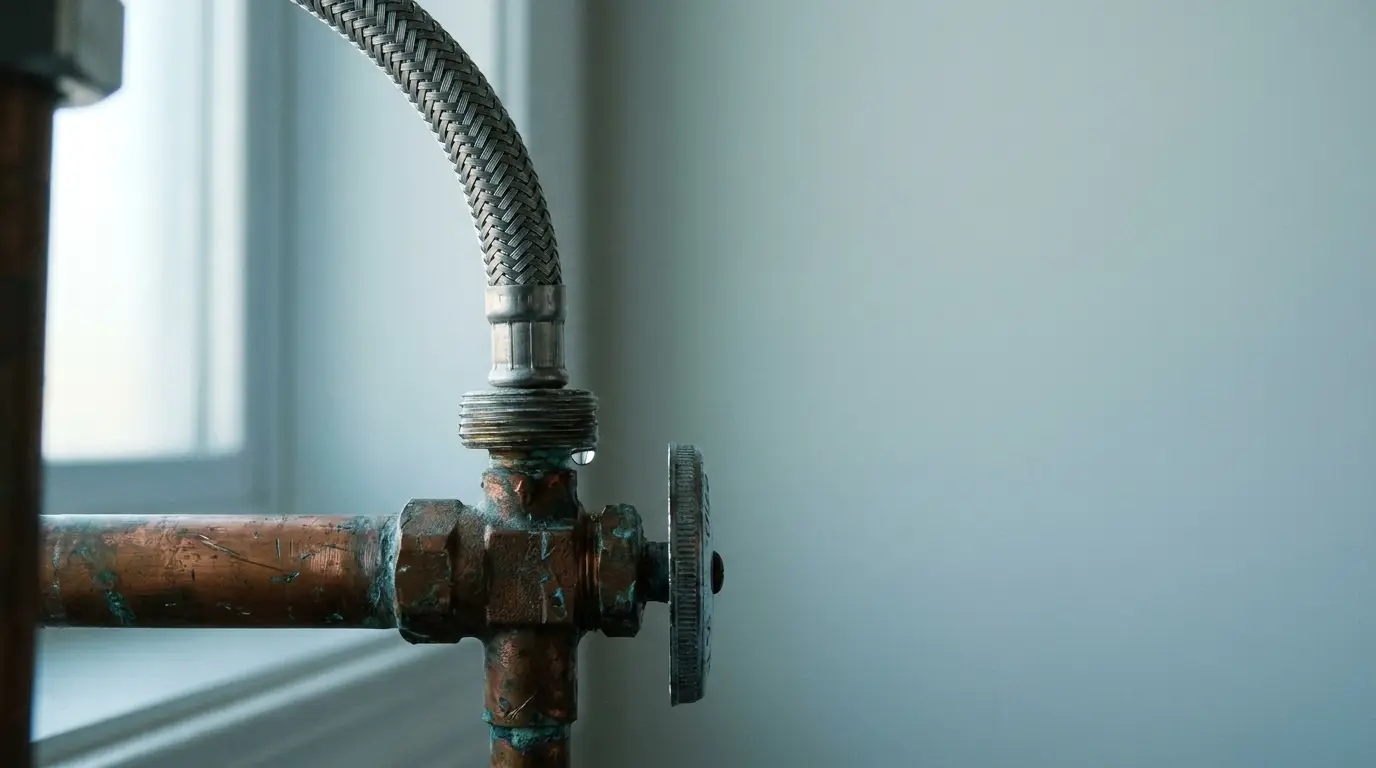
A small leak under a sink or behind a toilet can cause more damage than many homeowners expect. Because supply lines are often hidden in cabinets or behind fixtures, leaks may go unnoticed until there is swelling, staining, mold, or flooring damage.
Common causes of supply line leaks include loose connections, old washers, worn-out hoses, incorrect sizing, corrosion at the shut-off valve, or over-tightening during installation. Even a slow drip can become costly if it continues for weeks.
This is why fixture supply lines should not be treated as “reuse if they still look okay” parts during renovation. If a sink, faucet, toilet, or vanity is being replaced, the supply lines should be inspected closely. In many cases, replacing them at the same time is a low-cost way to reduce future risk.
Braided stainless steel supply hoses are especially popular because the outer braid helps protect the inner hose and offers more flexibility during installation. However, they still have a service life. If the line is old, bent sharply, rusted, frayed, or stiff, it is better to replace it than to gamble on it.
When Should Supply Lines Be Replaced?
A renovation is one of the best times to replace fixture supply lines because the area is already open and accessible. Homeowners should strongly consider replacing them when:
The faucet, toilet, or vanity is being replaced.
The existing supply line is more than several years old.
There are signs of corrosion, cracking, kinking, or rust.
The line has been disconnected and reconnected multiple times.
The connector does not match the new fixture properly.
The old line is too short or awkwardly positioned for the new layout.
It is also smart to replace supply lines when updating shut-off valves. A new valve paired with an old hose can still leave a weak point in the system. For a cleaner and safer renovation, the valve, connector, and fixture connection should all work together.
Do Not Forget Shut-Off Access
Another overlooked detail is shut-off valve access. Before renovation begins, homeowners should make sure each fixture has a working shut-off valve nearby. If a faucet or toilet supply line ever leaks, the ability to quickly shut off water can prevent major damage.
During a bathroom or kitchen remodel, check that the valve is easy to reach, not blocked by a vanity drawer, and not frozen in place. If the valve is old or difficult to turn, it may be worth replacing before the new fixture is installed.
Small Parts Can Protect the Whole Renovation
Fixture supply lines are not the most visible part of a renovation, but they are one of the most practical. A beautiful new faucet or toilet still depends on a properly sized, reliable connector behind the scenes. By checking faucet connectors, toilet supply lines, braided hoses, sizing, and replacement timing early, homeowners can avoid leaks and reduce the chance of project delays.
For renovation projects, it is always better to prepare these small plumbing parts before installation day. Reliable suppliers such as PlumbingSell make it easier for homeowners and contractors to find plumbing fittings, connectors, valves, and supply line parts in one place.
A successful renovation is not only about how the finished room looks. It is also about whether the plumbing behind it is safe, reliable, and built to last.
