

Science doesn’t have to wait until your child reaches high school! Toddlers are natural scientists who love to explore, touch, taste, and learn how the world works. Their curious minds are perfect for simple science activities that spark wonder and learning.
From colorful baking soda volcanoes that fizz and bubble to floating and sinking experiments in the bathtub, science activities help toddlers develop critical thinking skills while having tons of fun.
These hands-on experiences teach basic concepts like cause and effect, colors, textures, and patterns. Additionally, most activities utilize everyday items you likely already have at home, such as water, food coloring, and kitchen supplies.
Did you know that toddlers ask an average of 300 questions per day? That’s one question every two minutes they’re awake! This natural curiosity makes them perfect little scientists.
Ready to revamp your living room into a mini laboratory? Let’s undertake amazing science ventures that will have your little ones exclaiming “wow” and “why” with every exciting find!
Why Science Matters for Toddlers?
Ever wonder why your toddler loves dropping toys from their high chair? They’re actually doing science! When little ones explore their world, they’re building critical thinking skills that will help them solve problems for years to come.
Science activities teach toddlers about cause and effect, like what happens when you mix colors or roll a ball down a ramp. These hands-on experiences also boost language development as kids learn new words like “heavy,” “smooth,” or “fizzy.”
Plus, science engages all their senses, helping their brains make important connections.
Try this: Give your toddler different textured objects to feel and describe. You’re not just playing – you’re building the foundation for future STEM learning and creating a curious, confident learner who isn’t afraid to ask “why?”
Fun Science Activities for Toddlers
These hands-on experiments use everyday materials to teach basic science concepts through play. Each activity takes 5-15 minutes and creates exciting results that will keep your toddler engaged and curious.
1. Magic Milk
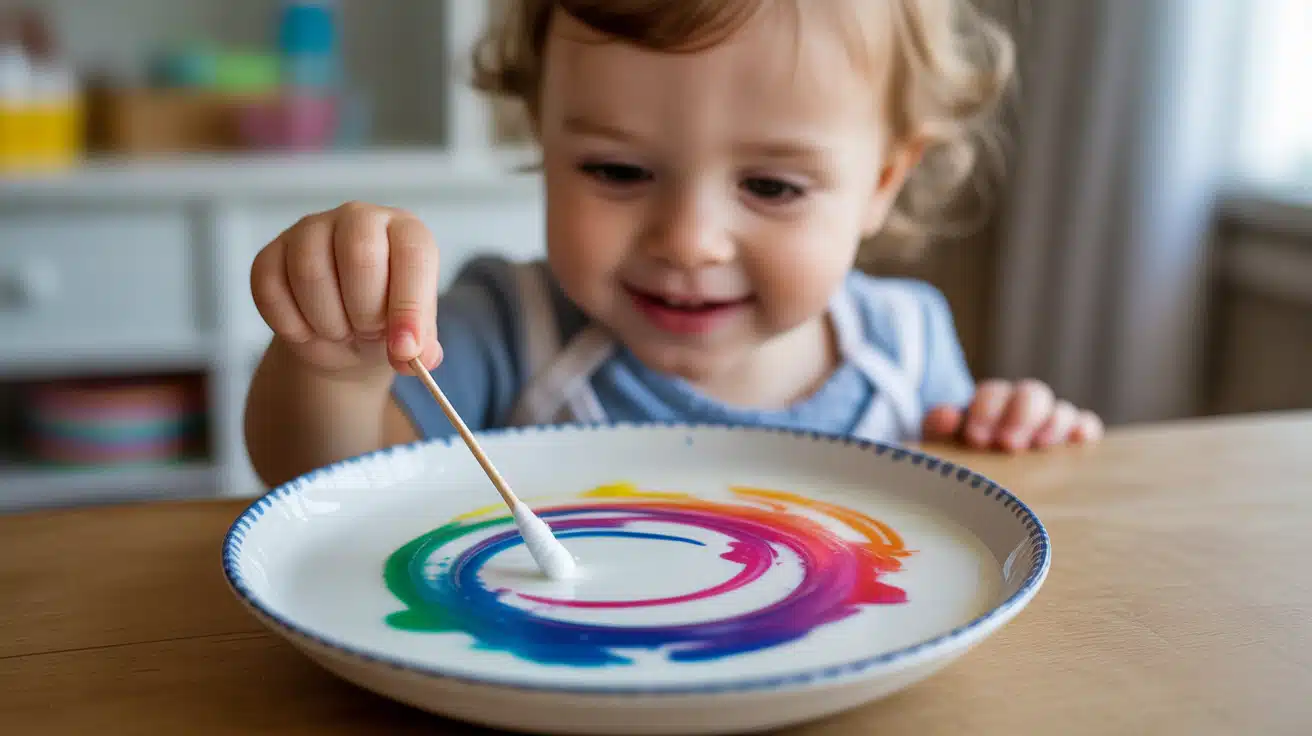
Pour whole milk into a shallow dish or plate. Add 3-4 drops of different colored food coloring around the edges, spacing them apart. Dip a cotton swab in liquid dish soap and gently touch it to one color drop. Watch the colors swirl and dance as soap molecules break up milk fats.
2. Baking Soda & Vinegar Volcano
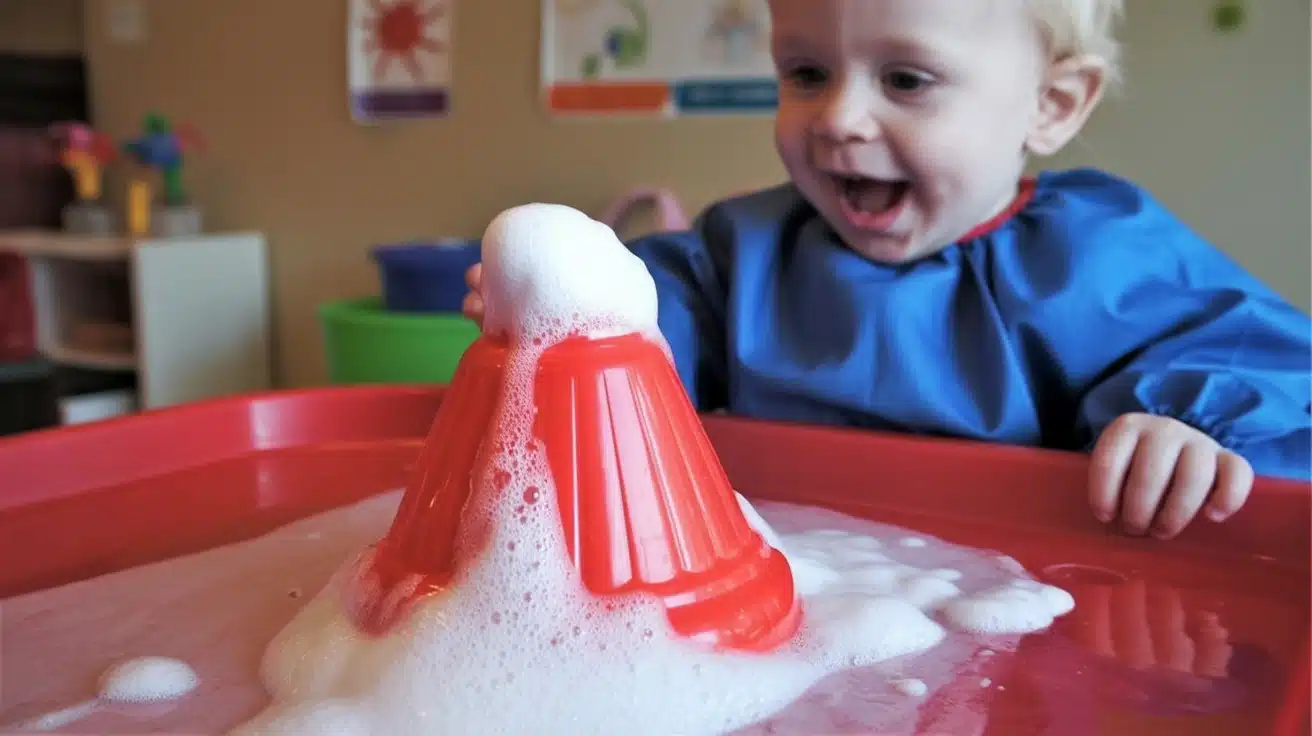
Put 2 tablespoons of baking soda in a small container or plastic bottle. Add a few drops of food coloring if you want colored foam. Slowly pour white vinegar on top and step back. The mixture fizzes and bubbles up like a volcano erupting.
3. Invisible Ink
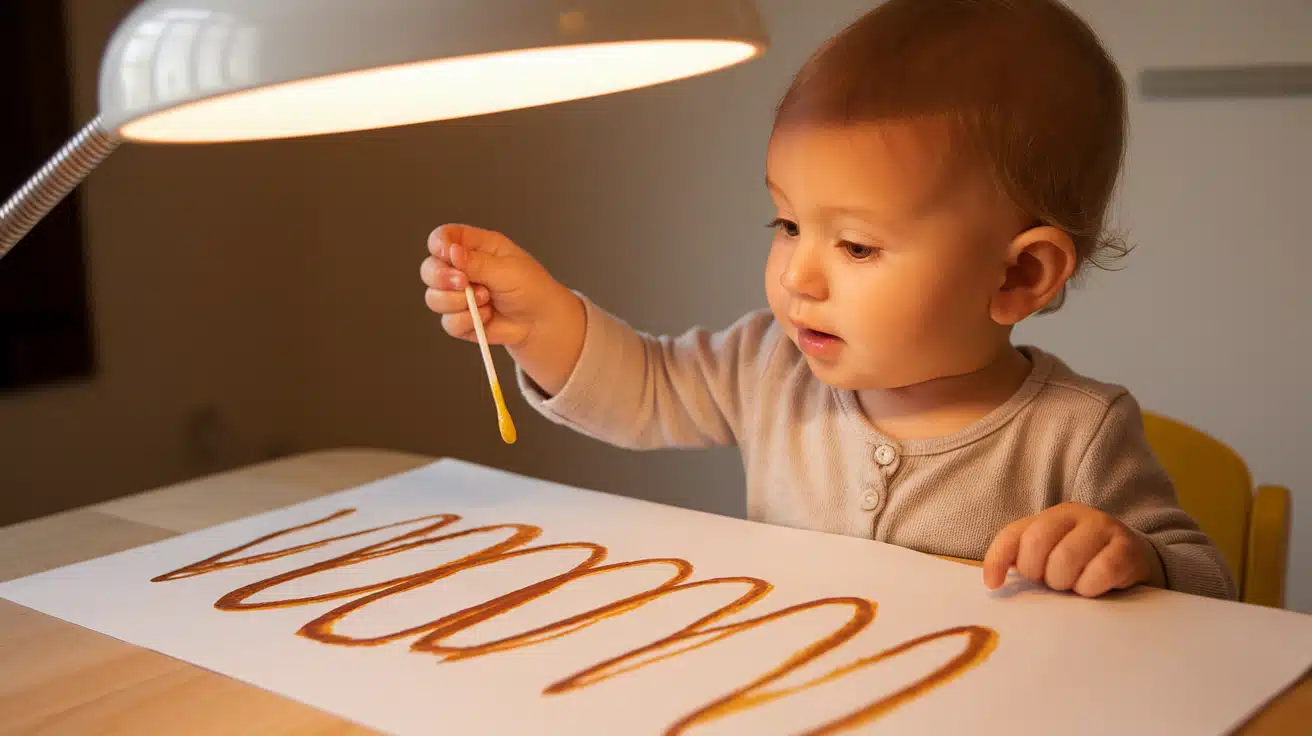
Squeeze fresh lemon juice into a small bowl. Use a cotton swab or small paintbrush dipped in lemon juice to write messages on white paper. Let the paper dry completely until you can’t see the writing. Hold the paper near a warm light bulb to see the writing appear brown.
4. Sink or Float
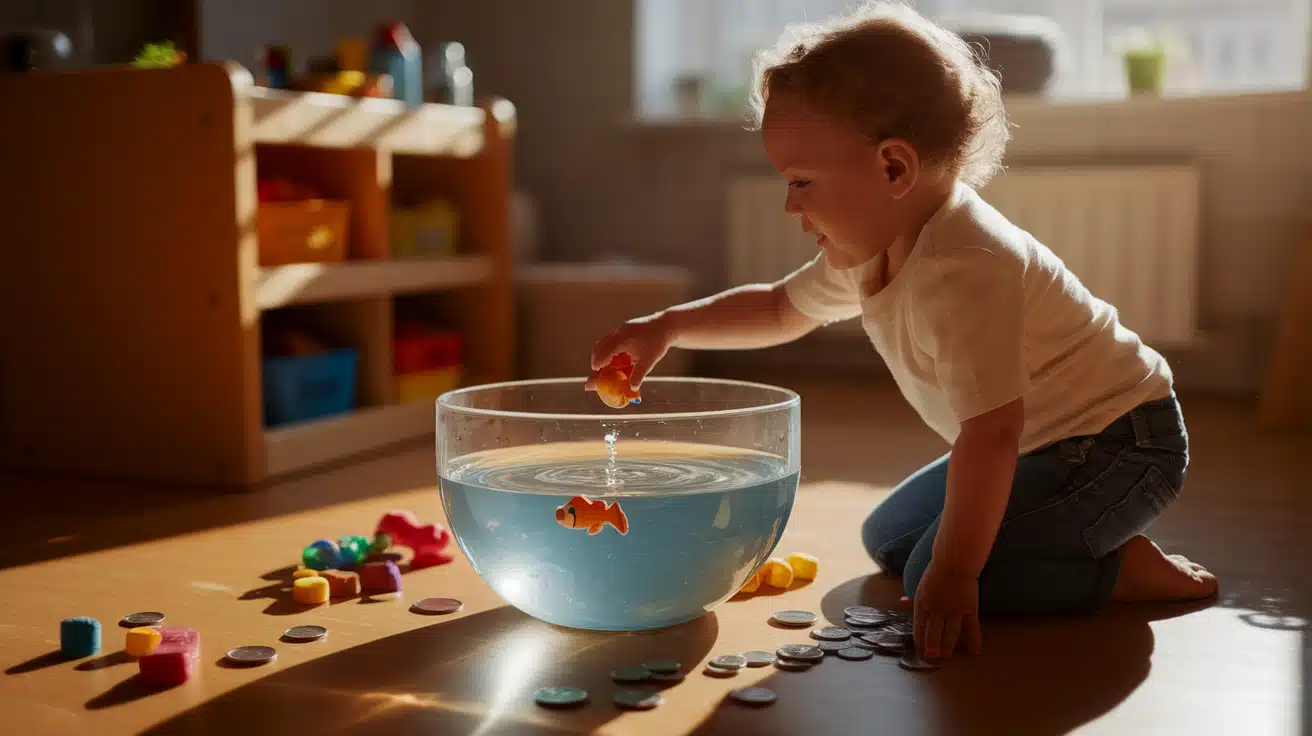
Fill a large bowl or bathtub with water. Gather various safe objects like plastic toys, wooden blocks, metal spoons, and coins. Ask your toddler to guess which items will sink to the bottom and which will float on top. Test each object one by one and talk about what happens.
5. Ramp Play

Create ramps using cardboard and books at different heights. Roll various balls, toy cars, and cylinders down each ramp to see which goes fastest.
6. Non-Newtonian Fluid
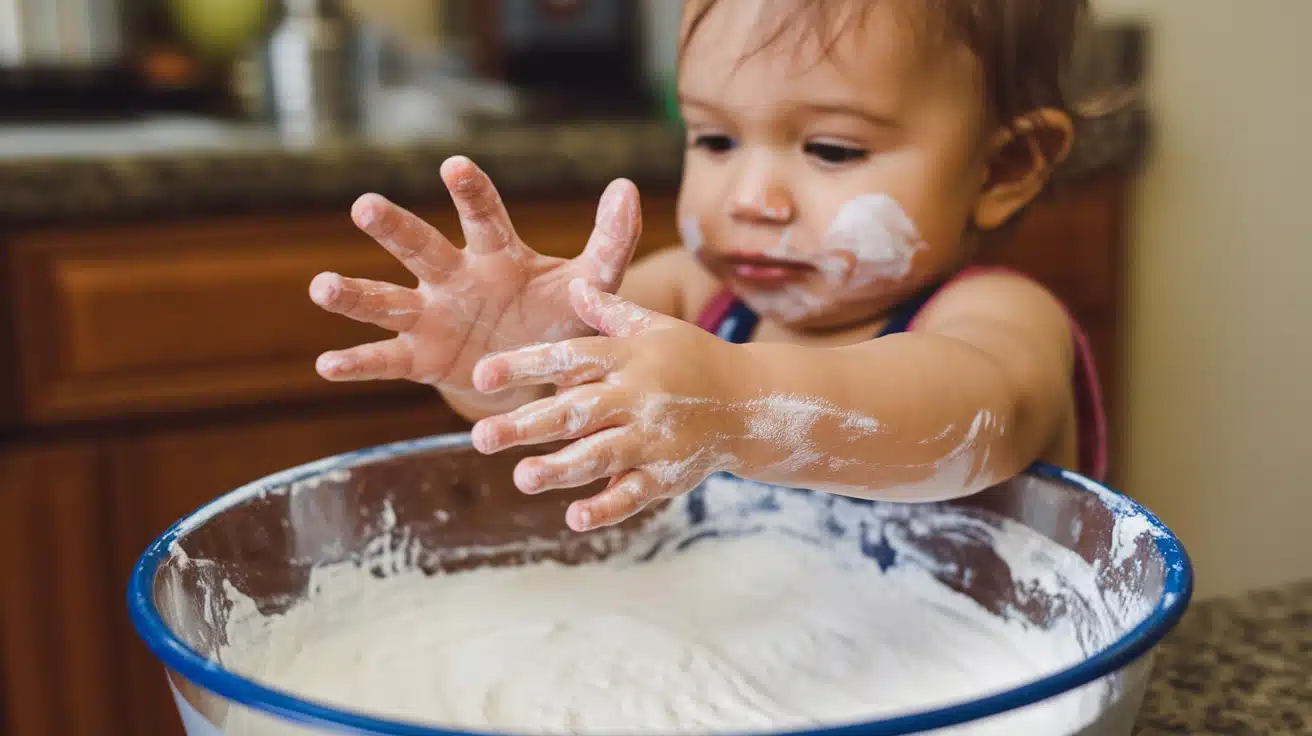
Mix equal parts cornstarch and water in a bowl until smooth. This strange mixture acts like thick liquid when stirred slowly but becomes hard when grabbed quickly. Let toddlers dip their hands in slowly, then try to grab it fast. The material changes from liquid to solid depending on pressure.
7. Rain in a Jar
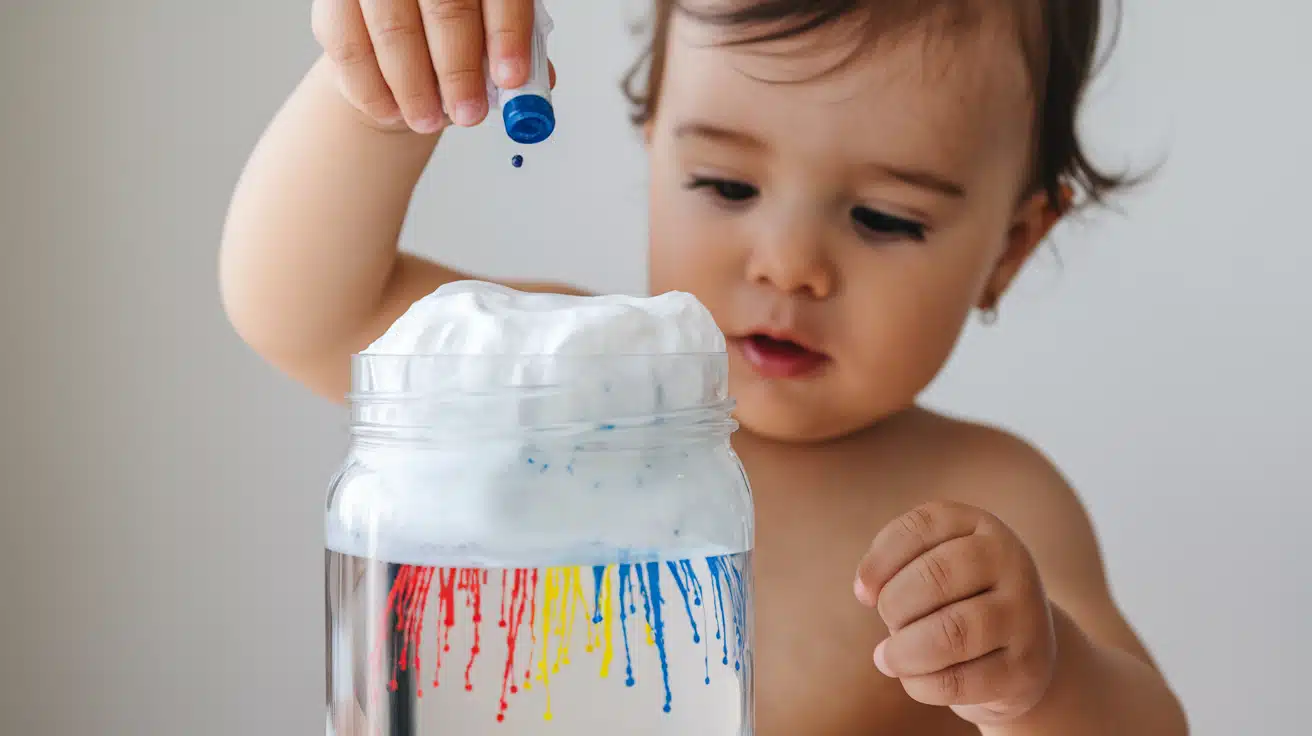
Fill a clear jar three-quarters full with water. Spray shaving cream on top to make fluffy white “clouds.” In separate cups, mix water with different food coloring. Use droppers to drop colored water onto the shaving cream and watch colors sink through like rain.
8. Color-Changing Flowers / Walking Water
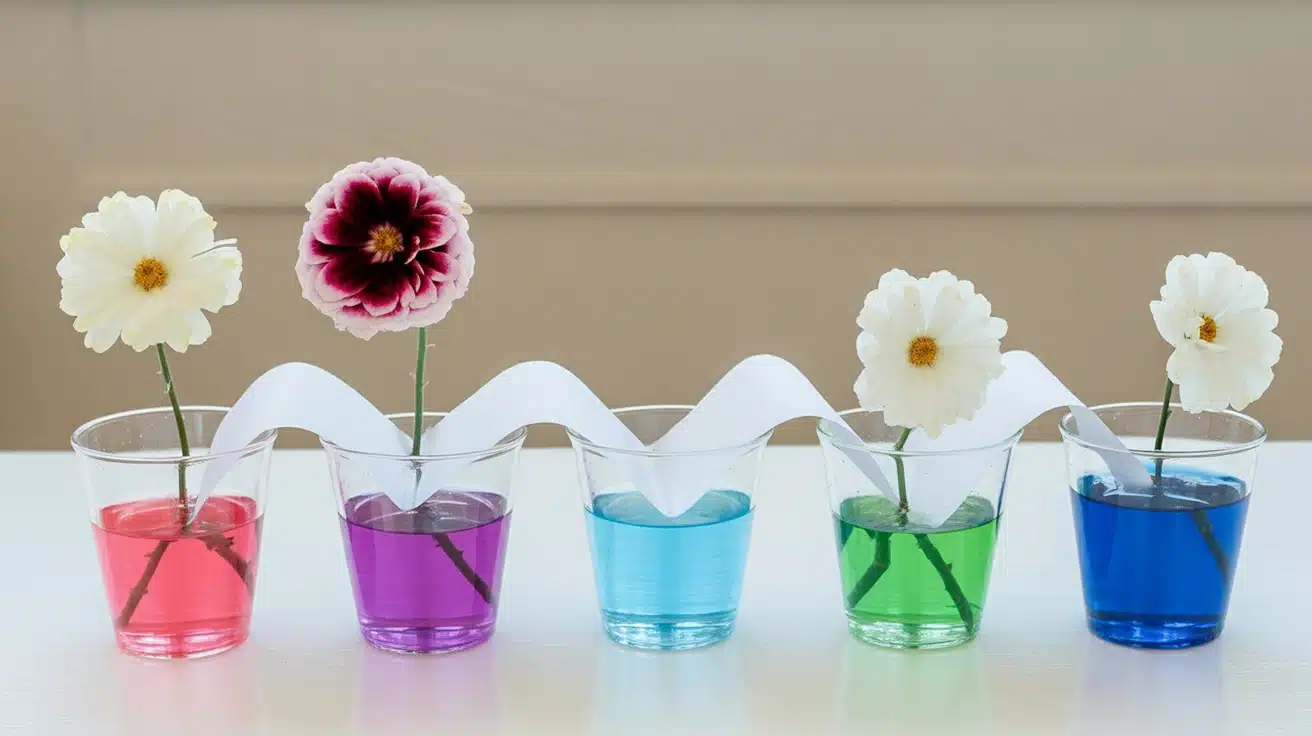
Cut flower stems at an angle and split them halfway up. Place each half in cups filled with different colored water. For walking water, connect cups with folded paper towels between them. Watch water slowly “walk” from full cups to empty ones through the paper towels.
9. Water Play: Transfer, Painting, Filtration
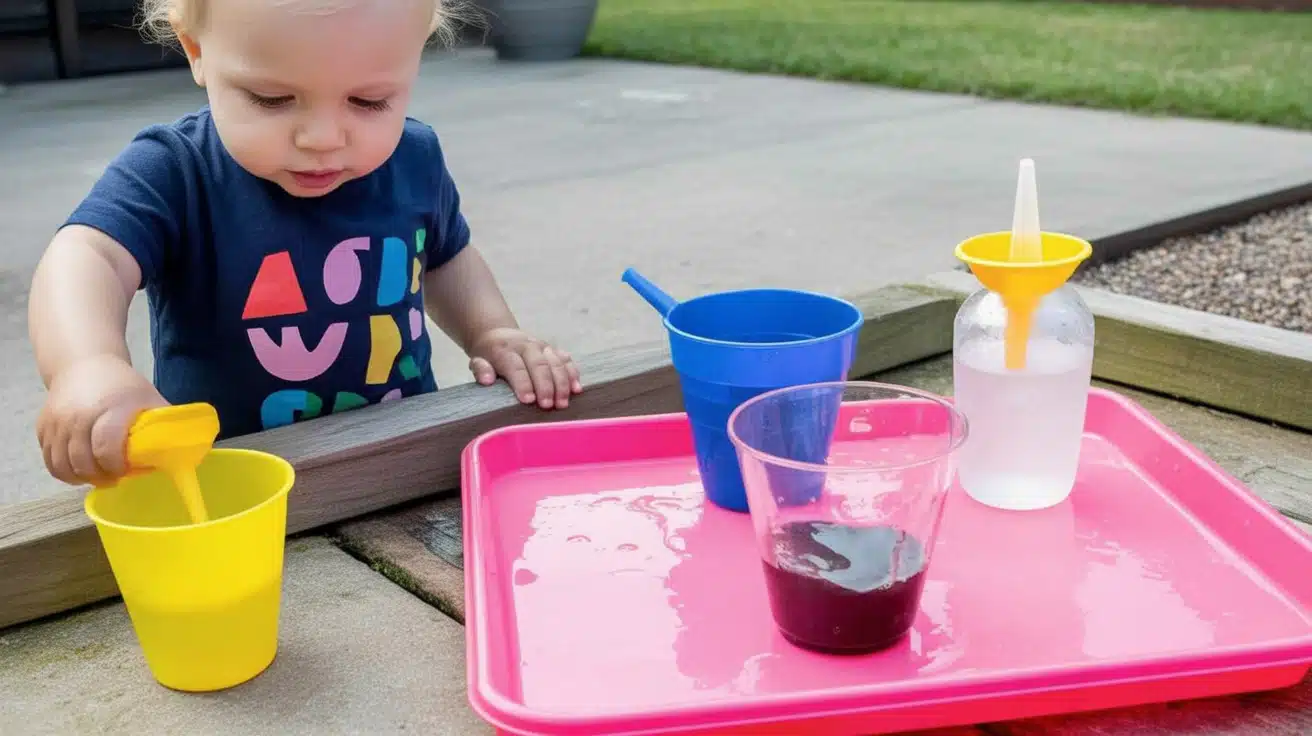
Set up various cups, funnels, squeeze bottles, and tubes for pouring practice. Use large brushes with water to “paint” outdoor fences or sidewalks. For filtration, mix dirt with water, then pour through coffee filters. Watch how the water gets cleaner as it passes through the filter.
10. Magnet Study
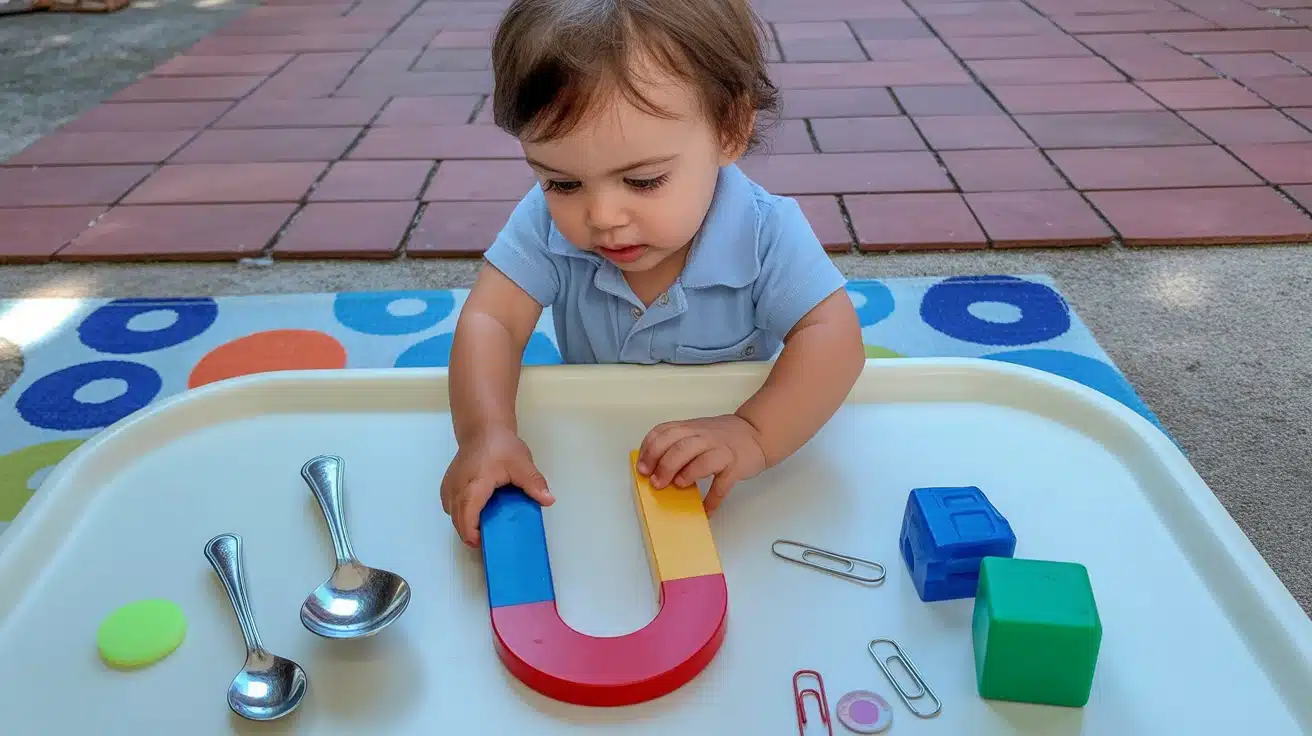
Give toddlers different types of magnets and collect various household objects to test. Try paper clips, coins, plastic toys, wooden blocks, and metal spoons. Have your toddler make predictions first – will it stick or not? Then test each item to see which objects contain magnetic metals.
11. Gardening / Seed Germination
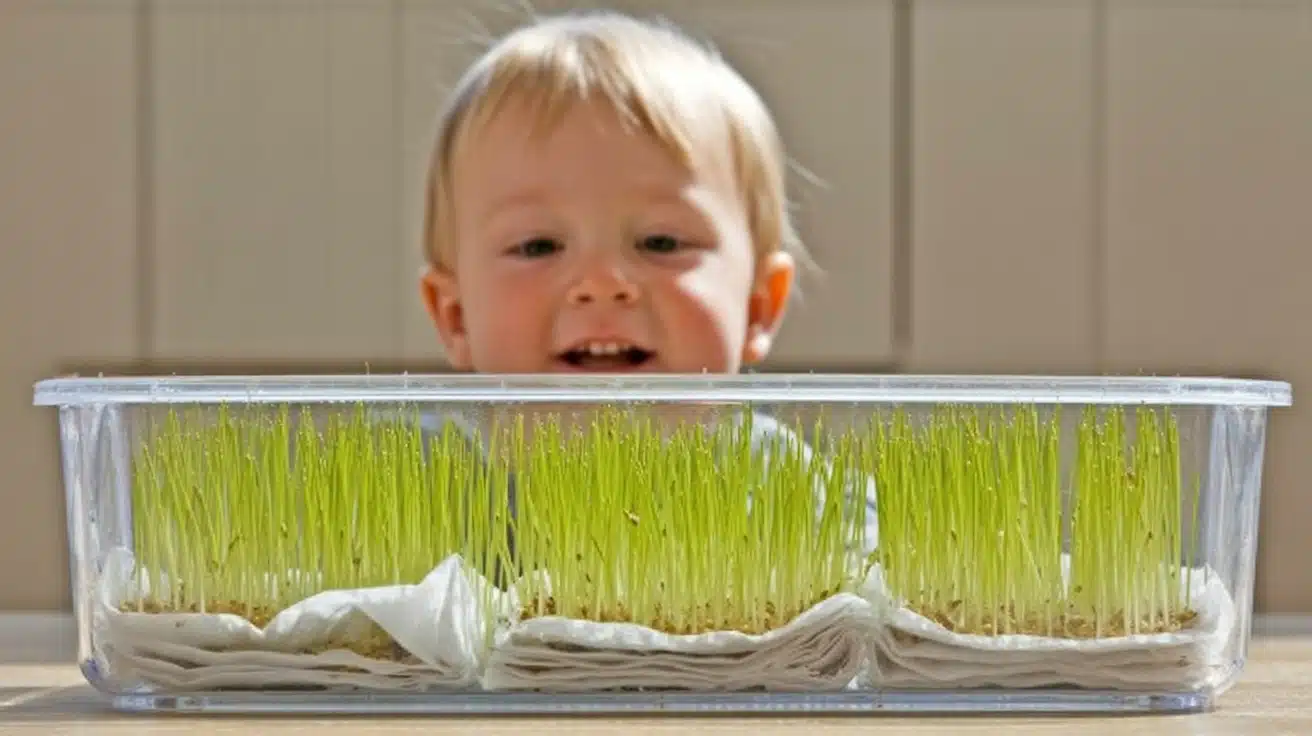
Plant large seeds like beans or sunflowers in clear plastic containers for better viewing. Use wet paper towels instead of soil so roots are visible through the sides. Keep seeds moist and place in a sunny window. Check daily and measure growth with rulers while drawing pictures of changes.
12. Fizzy Painting

Mix 2 tablespoons of baking soda into regular tempera paint or watercolors. Let toddlers create artwork on sturdy paper using this special paint mixture. Once the painting is completely dry, give them small brushes filled with white vinegar. When they brush vinegar over their artwork, the painting will fizz and bubble.
13. Sensory Bottles
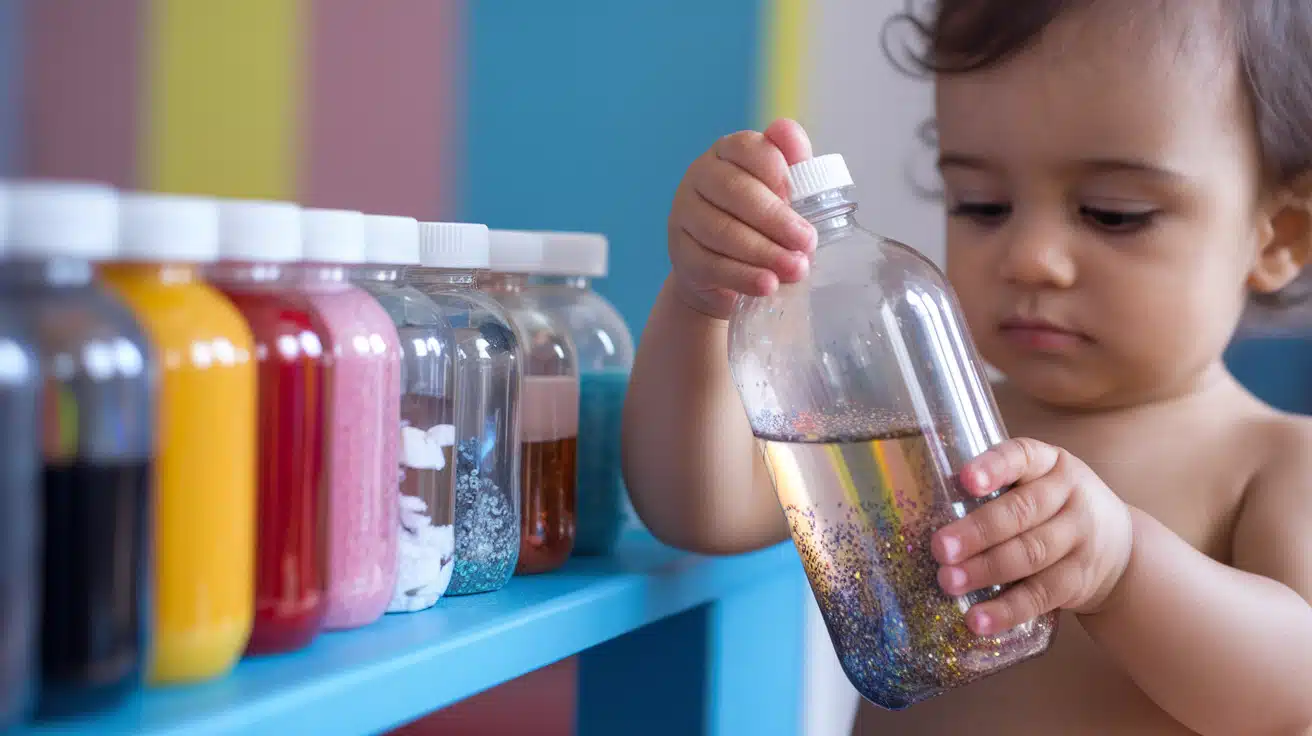
Fill clear plastic bottles with different combinations of water, oil, glitter, and small beads. Make sure lids are tightly sealed for safety. When toddlers shake the bottles, materials mix temporarily then separate again. Oil always floats on water because it’s lighter than water.
14. Dancing Raisins
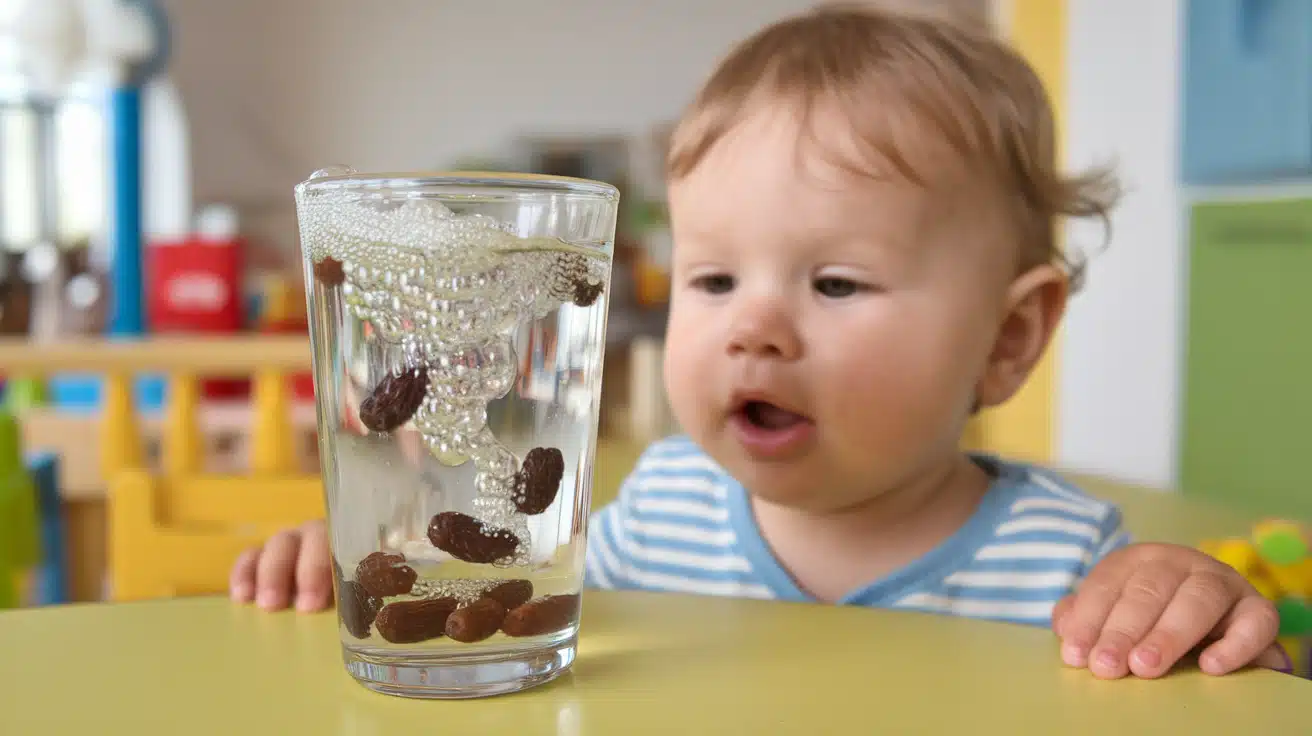
Pour clear soda like Sprite into a glass and drop in several raisins. Watch the raisins “dance” up and down as carbon dioxide bubbles attach to their surface. The bubbles lift raisins to the top, then pop and let them sink back down. This teaches density, buoyancy, and gas properties through a fun visual show.
15. Static Hair Fun

Blow up a balloon and rub it on your toddler’s hair for 20 seconds. Slowly pull the balloon away and watch hair reach toward it. The rubbing transfers electrons from hair to balloon, creating opposite charges that attract each other. This simple activity introduces basic electricity concepts and always makes children giggle.
16. Ice Toy Rescue
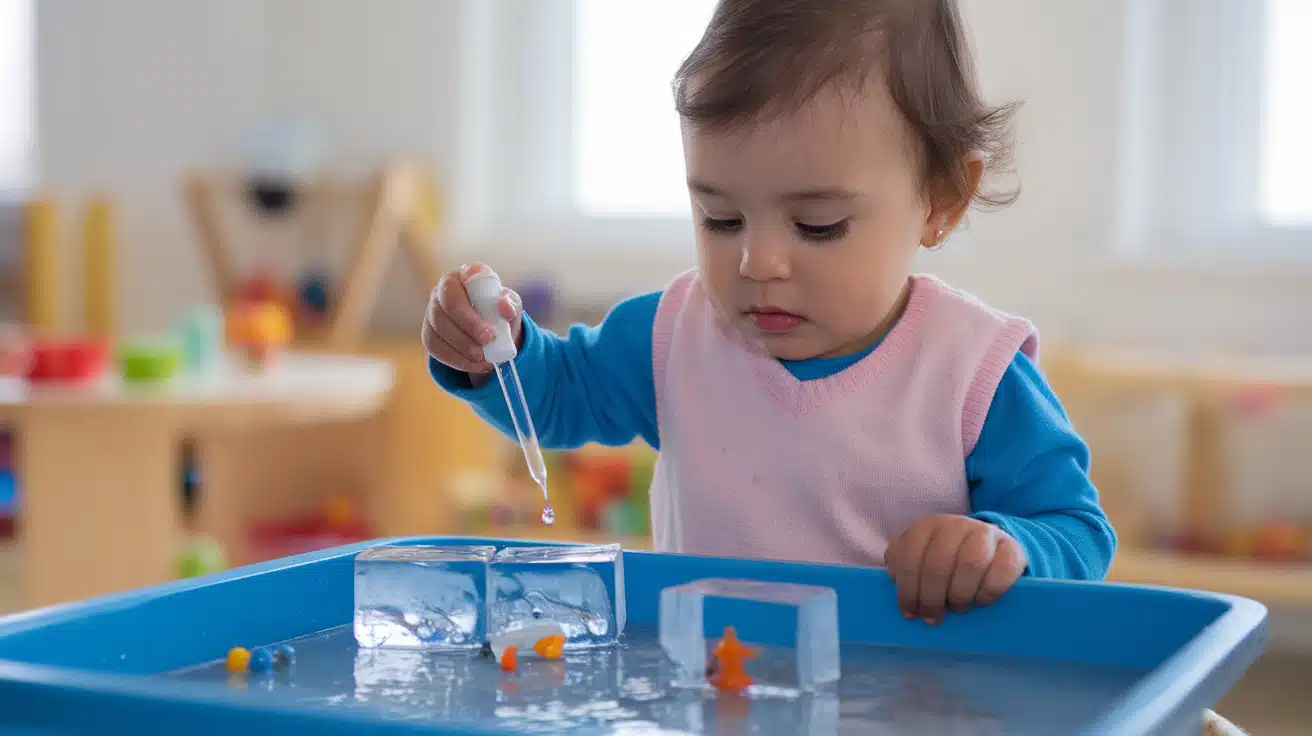
Freeze small toys in ice cube trays or containers overnight. Give your toddler warm water, salt, and small spoons to help “rescue” the toys. The warm water melts the ice while salt speeds up the process. This teaches melting, temperature, and problem-solving skills.
17. Coffee Filter Chromatography
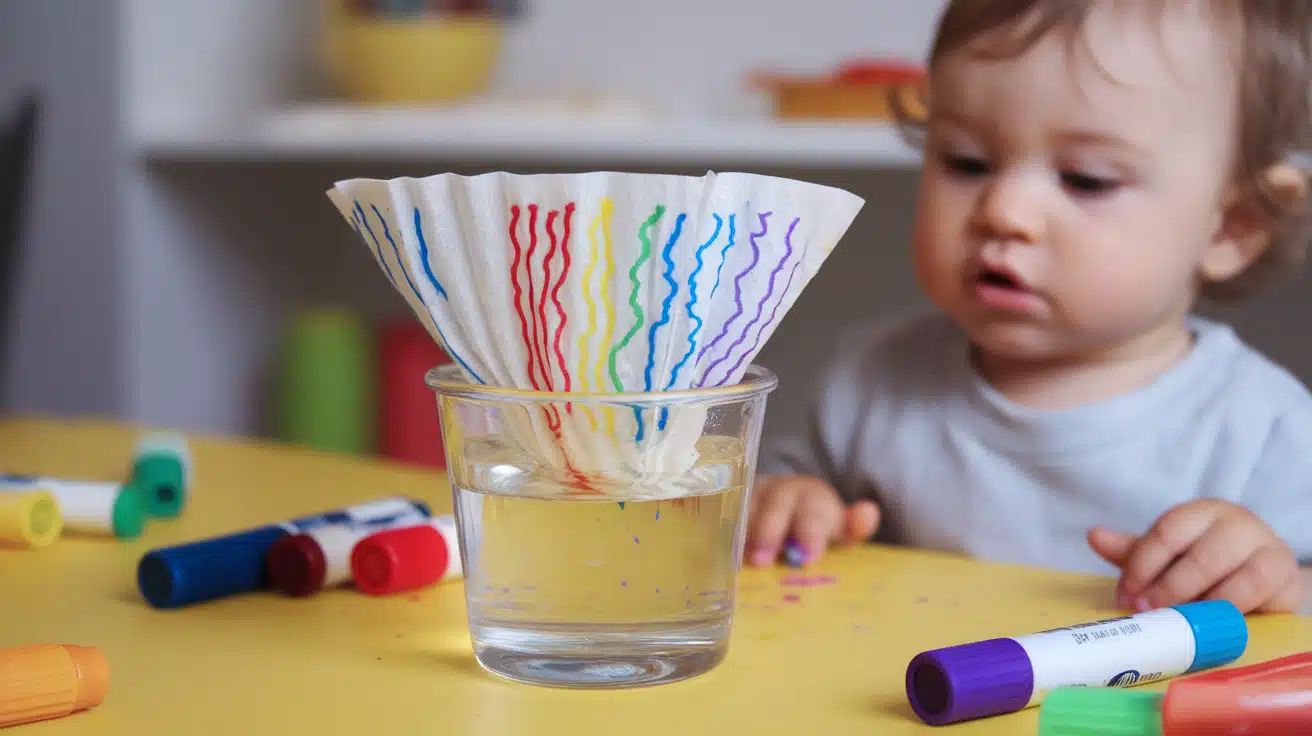
Draw thick lines with washable markers on coffee filters. Dip the bottom edge in water and watch colors separate and spread up the filter. Different marker colors contain various dyes that travel at different speeds. This simple activity shows how mixtures can be separated.
18. Bubble Mix Test

Make a homemade bubble solution with dish soap and water, then compare it to store-bought bubbles. Test which mixture creates bigger bubbles or lasts longer. Let your toddler experiment with different bubble wands and tools. This teaches comparison skills and problem-solving.
19. Balloon Rocket on a String

Thread a long string through a straw and tie it between two chairs. Tape an inflated balloon to the straw without tying the balloon closed. Release the balloon and watch it zoom along the string. This demonstrates air pressure and motion in an exciting way.
20. Rainbow Sugar Water Tower

Mix water with different amounts of sugar and food coloring in separate cups. Slowly layer the heaviest (most sugar) solution at the bottom, working up to the lightest on top. The different densities create colorful layers that won’t mix together easily.
21. Shadow Tracing

On a sunny day, place a large paper outside and trace your toddler’s shadow with chalk or markers. Return to the same spot later and trace again to see how shadows change. This teaches about light, time, and the Earth’s movement.
22. Sound Shakers

Fill identical containers with different materials like rice, beans, coins, or cotton balls. Seal them securely and let your toddler shake each one to hear different sounds. Have them guess what’s inside based on the sounds they hear.
23. Floating Paper Clip Trick
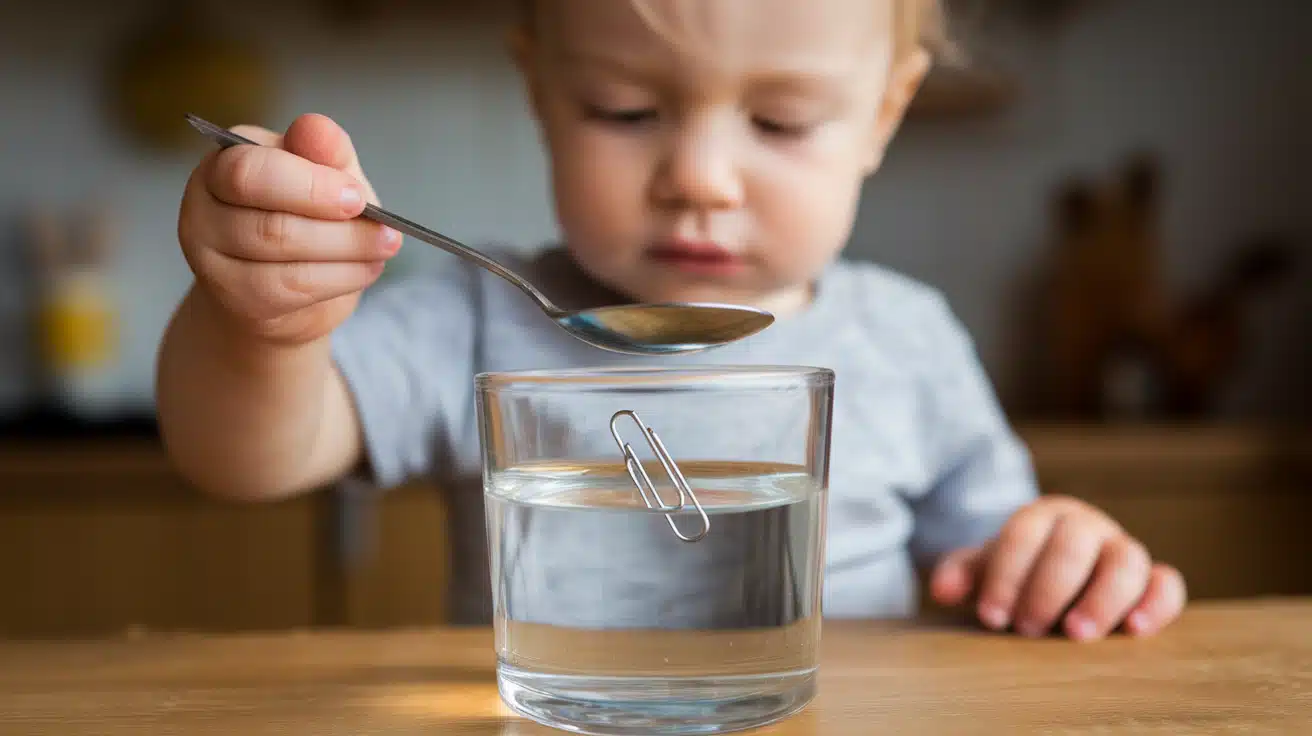
Fill a glass with water until it’s almost overflowing. Gently place a paper clip flat on the water’s surface using a fork or spoon to lower it slowly. The paper clip will float on top despite being made of metal. This happens because of surface tension – water molecules stick together and create an invisible “skin” on top.
24. Melting Race

Place ice cubes on various surfaces, such as metal, wood, plastic, and fabric. Watch which surface melts the ice fastest and discuss why. Metal conducts heat better than other materials, making ice melt more quickly on metal surfaces.
25. Skittles Color Wheel

Arrange colorful Skittles in a circle around the edge of a white plate. Pour warm water into the center until it touches all the candies. Watch as rainbow streams of color flow toward the center, creating a beautiful color wheel pattern. The sugar coating dissolves, creating colorful rivers that don’t mix together.
26. Epsom Salt Crystal Garden
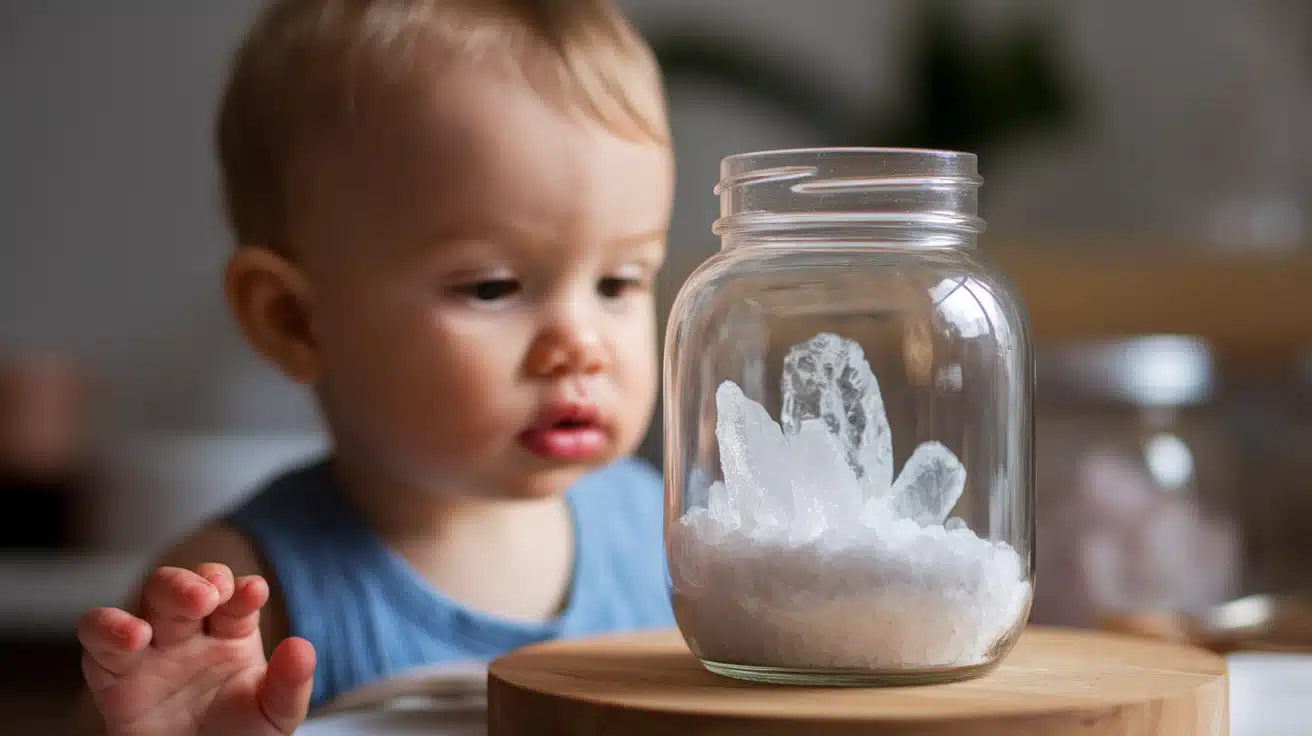
Mix hot water with Epsom salt until no more of the salt dissolves. Hang the string in the solution and wait several days. As water evaporates, crystals form on the string, creating a beautiful crystal garden. This teaches evaporation and crystal formation.
27. Cloud Dough
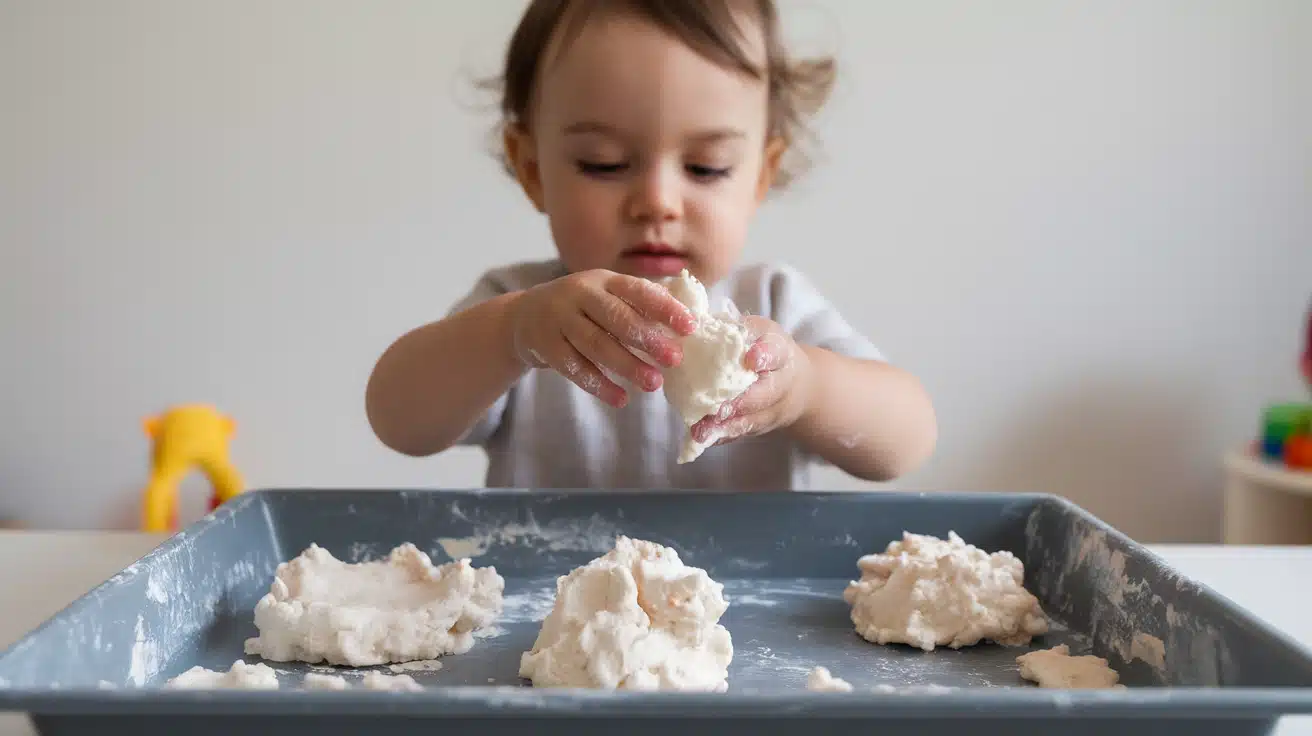
Mix flour with a small amount of baby oil until it feels like soft, moldable dough. This mixture holds shapes when pressed but crumbles when touched lightly. It provides great sensory play while teaching about texture and material properties.
28. Soil Settling Jar
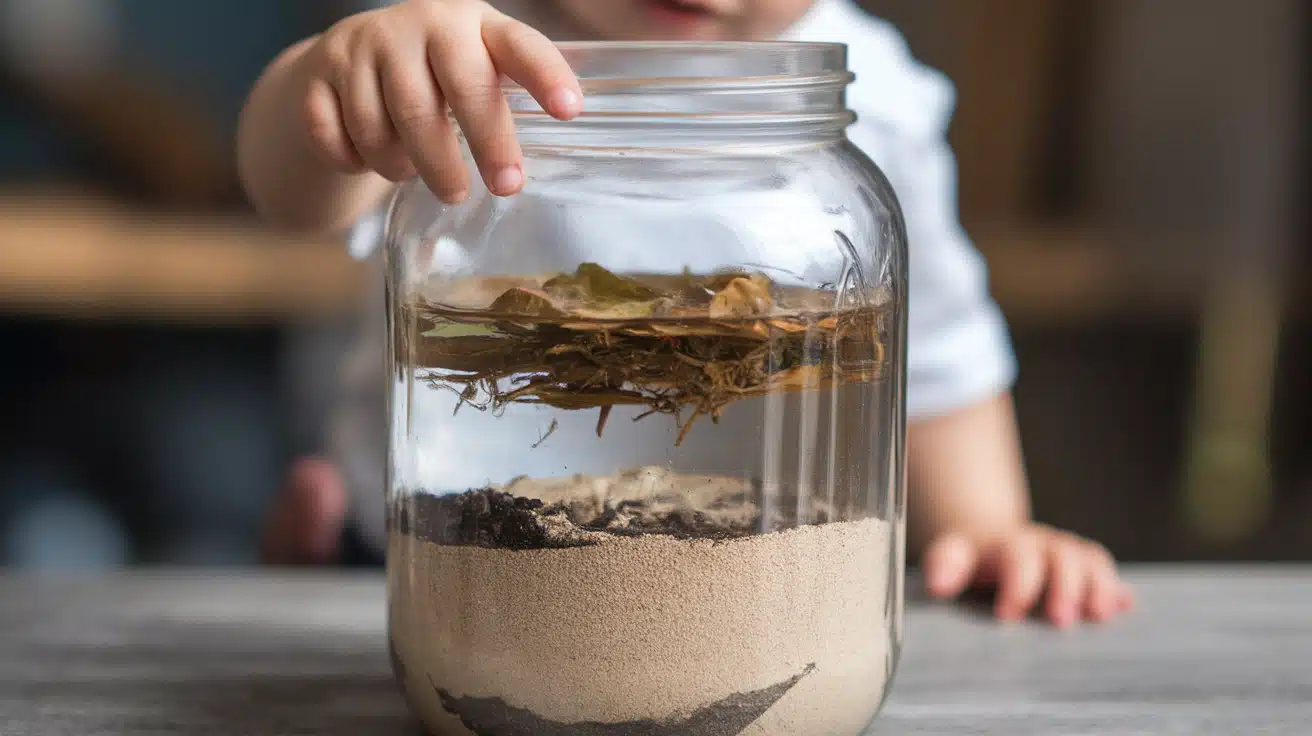
Fill a clear jar with soil and water, then shake well. Let it sit and watch as different materials settle into layers. Heavier particles sink first, while lighter materials float longer. This demonstrates how natural sorting happens in rivers and lakes.
29. Color Mixing in Zip Bags
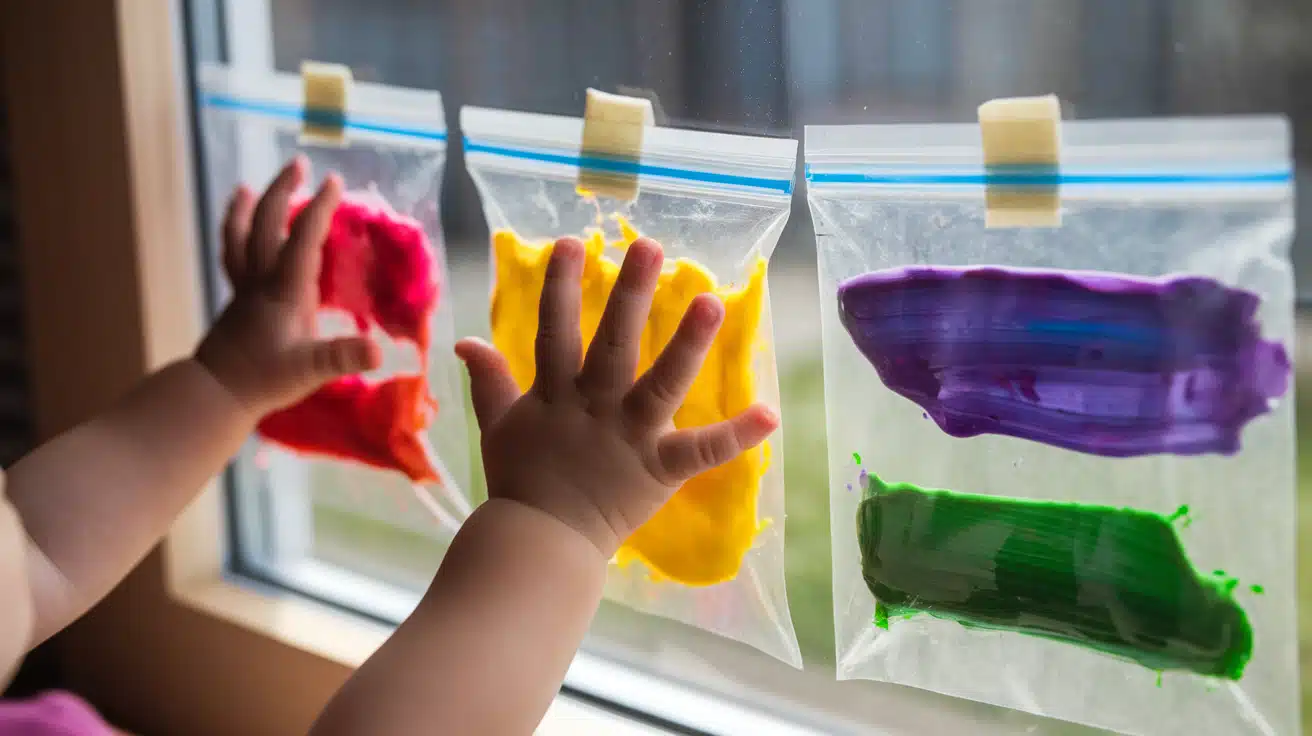
Put primary colored paint in sealed zip bags and tape them to a window. Let toddlers press and squish the bags to mix colors without a mess. This teaches color theory and cause-and-effect while keeping the mess completely contained.
30. Marble Viscosity Sink Race
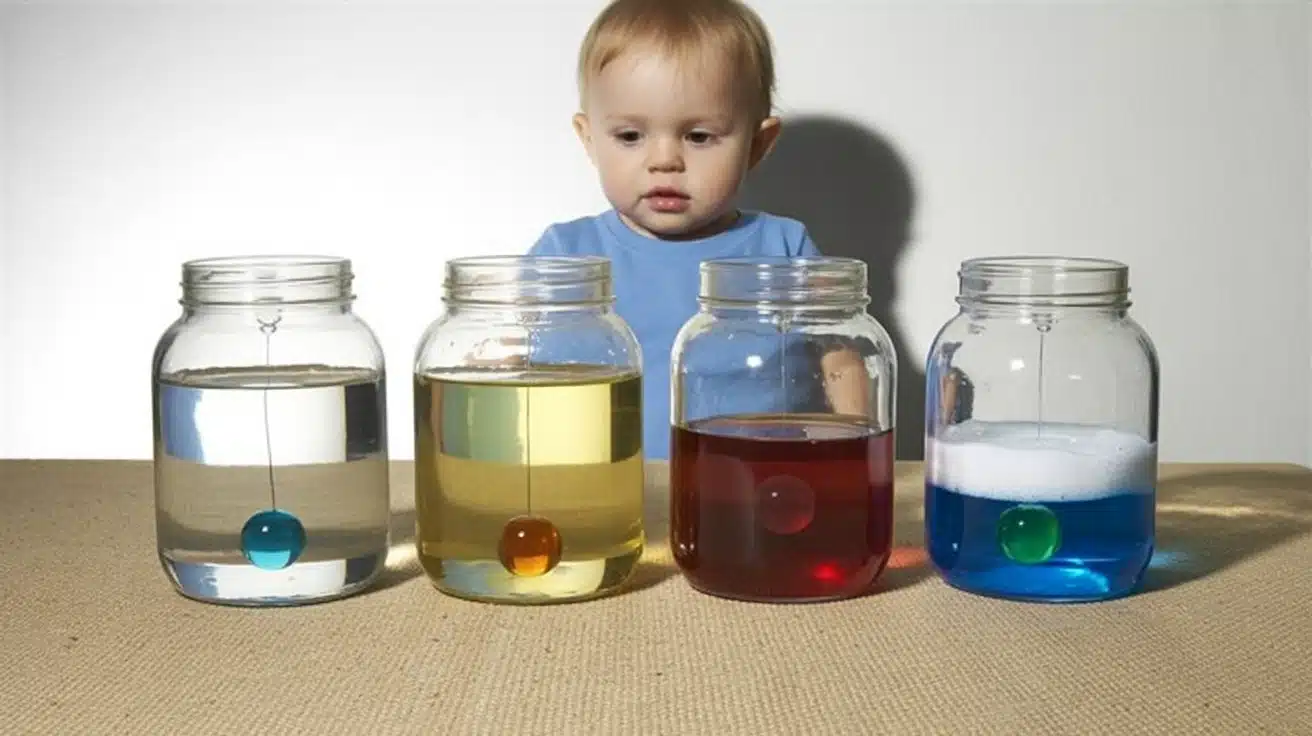
Fill four clear jars with different liquids like water, oil, syrup, and soap. Drop identical marbles into each jar simultaneously and watch which reaches the bottom first. Water allows the fastest drop while thicker liquids slow the marble down, clearly showing how viscosity affects movement.
31. Static Electricity Can Pusher
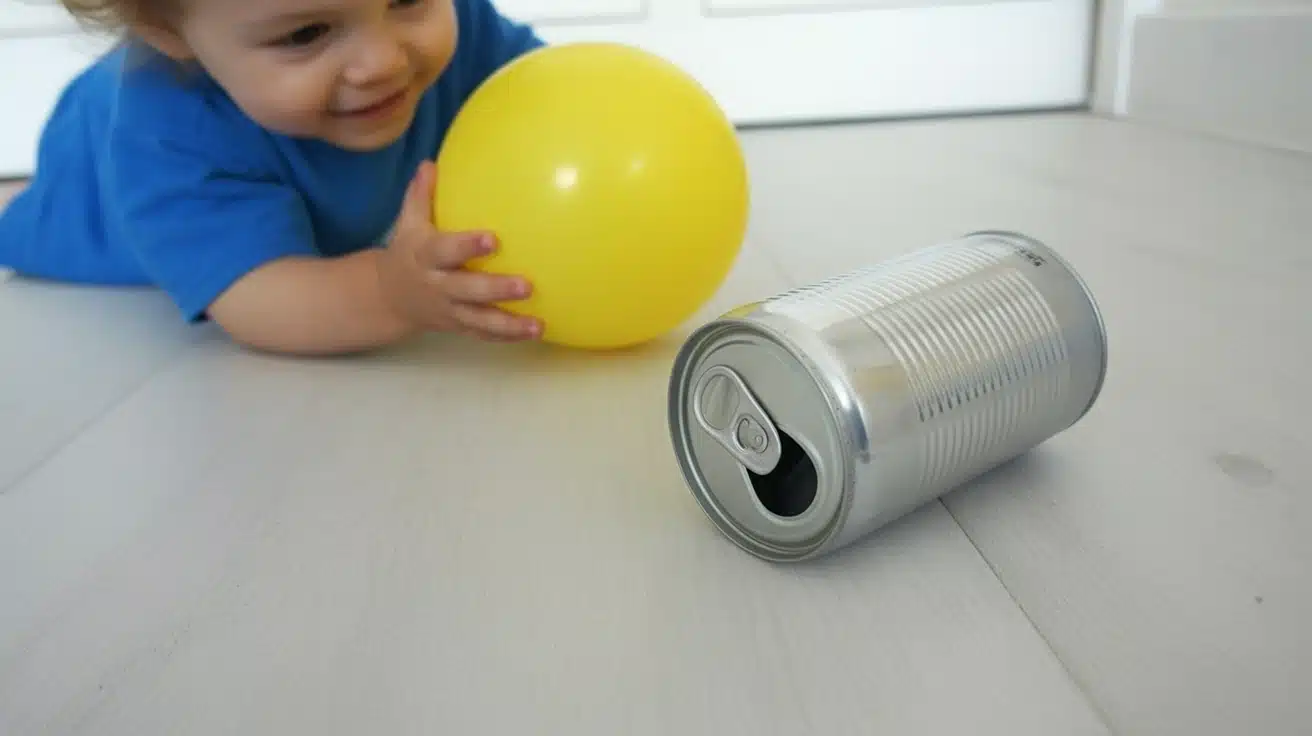
Rub a balloon on your toddler’s hair or a wool cloth to generate static. Then, place a lightweight aluminum can on its side and let the inflated balloon near it without touching. The static charge causes the can to move or roll. This safe demonstration shows how invisible forces can create movement and introduces basic electricity concepts.
How to Choose the Right Activities?
Picking the perfect science activity for your toddler doesn’t have to be overwhelming! Start by considering that 18-month-olds enjoy simple sensory play, such as water tables, while 3-year-olds can handle basic experiments like sink-or-float tests.
Consider your space, too. Rainy day? Try indoor activities like mixing baking soda and vinegar. Nice weather? Head outside for nature scavenger hunts or bubble experiments.
Mix it up between sensory-heavy activities (like playing with slime) and concept-heavy ones (like sorting by color). Your toddler’s attention span is short, so keep activities under 15 minutes.
PRO TIP: Rotate activities on a weekly basis. This Monday, explore magnets. Next Monday, try floating and sinking. Fresh activities keep curiosity alive.
Safety & Preparation Tips
Toddlers are natural explorers who learn best through hands-on activities. However, their curiosity and developing skills mean you need to plan carefully to keep science time both fun and safe.
- Prioritize Supervision: Stay within arm’s reach during all activities, as toddlers move quickly and may put potentially hazardous materials in their mouths. Keep experiments short (5-15 minutes) to match their attention spans.
- Use Safe Materials: Choose non-toxic, food-safe ingredients like baking soda and vinegar whenever possible. Avoid small objects that could be choking hazards for children under three years old.
- Prepare for Mess: Set up activities on washable surfaces and have wet wipes ready for quick cleanup. Consider doing messy experiments outside or in the bathroom for easier cleanup.
- Create Age-Appropriate Setups: Use plastic containers instead of glass and keep measurements simple for small hands. Prepare all materials in advance so toddlers don’t get impatient waiting.
With proper preparation and safety measures in place, science activities become stress-free, opportunities for learning and bonding with your toddler.
Remember that taking these precautions allows both you and your little scientist to focus on the joy of discovery without worrying about potential hazards or overwhelming cleanup.
Wrapping It Up
Science activities for toddlers create magical moments that boost learning and strengthen your bond, while developing essential skills such as problem-solving and observation. Your little scientist will gain confidence as they explore the fantastic world around them, and remember – the mess is part of the fun!
Don’t worry about perfect results; focus on the discovery process. Keep activities short, stay patient, and let your toddler lead the way. Some experiments may not work as planned, but learning happens through trial and error.
The best part? You’re laying the groundwork for lifelong curiosity and learning. These early science experiences help develop a lasting love for exploration.
Keep the learning going! Click here to find dozens of educational blogs featuring hands-on experiments and exciting ventures.
