

It’s tough for today’s families to raise kids who care about the environment. You’re always short on time and energy, and finding easy answers is hard. Between driving kids to school, endless laundry, and trying to put a meal on the table, sustainability can feel like a luxury rather than a lifestyle.
However, green parenting really does not require you to grow food yourself or to give up the convenience of your lifestyle. Actually, small and sustainable changes may blend with family life perfectly—without the feeling of being overwhelmed. Here are some eco habits that have proven to work for real parents in the real world.
1. Food Recycling That Fits Into Family Life
Dispose of food is considered to be a necessity of nature, but machines like the FoodCycler help users avoid the need for the outdoor space and the unpleasant odours. These machines contribute to recycling food by transforming the waste matter of food – which is the main part of the waste of organic kitchen, i.e. vegetable peels, eggshells, and leftovers into dry and nutrient-rich by-product in just a few hours. It is a small, smell-free solution that can be placed on the kitchen counter.
Families who have started using this system are the ones that have already witnessed a significant reduction in food waste, as well as a comfortable and easy way to reuse the leftover food which would have been discarded. Actually, it is even more than that: it turns out that it has become a way to introduce children to the environmental concepts in a practical and easy way.
2. Gardening with (a Little) Mold and a Lot of Patience
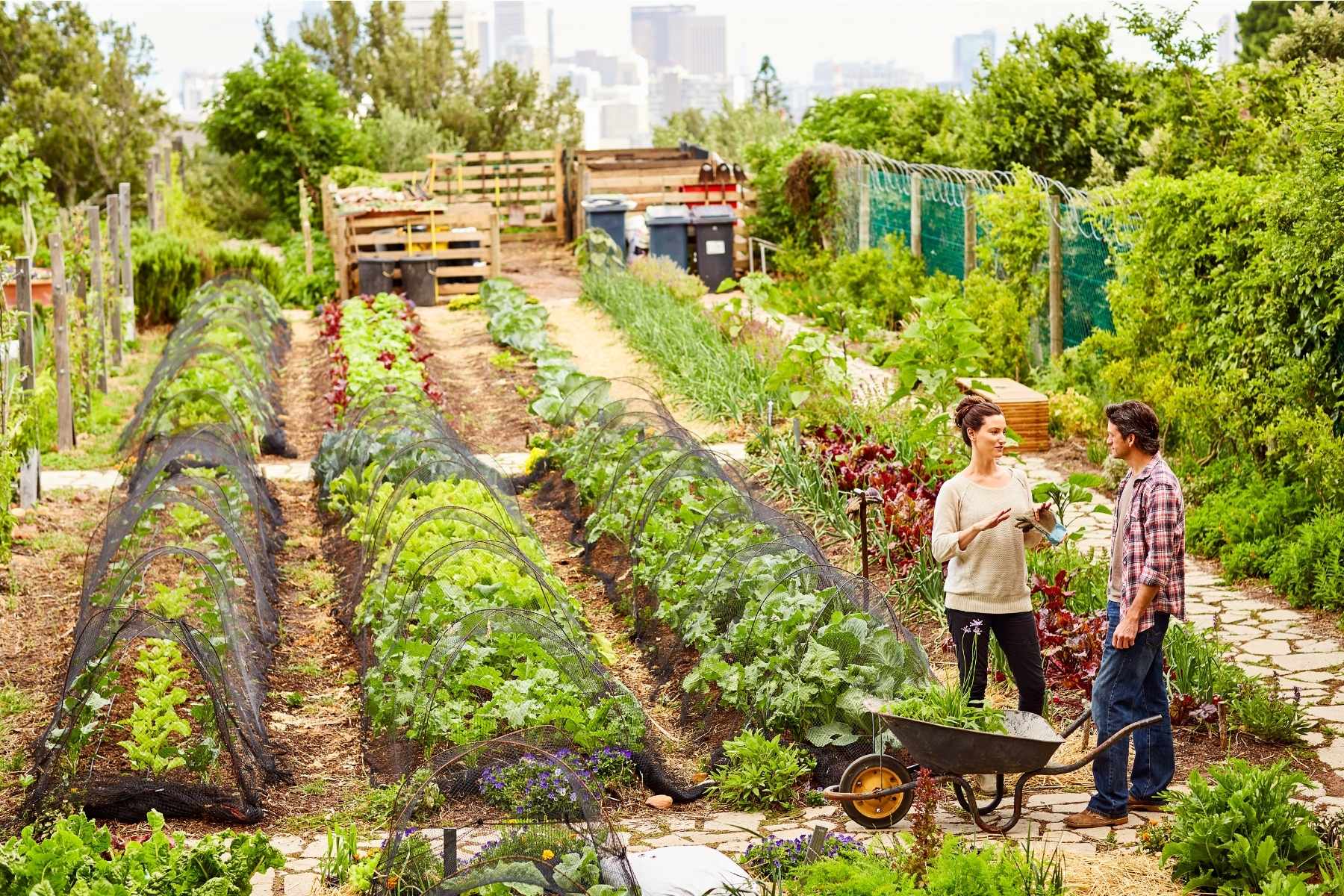
Having started the recycling of food, many families use the waste as the food to their indoor or yard gardens. Besides growing the herbs, vegetables, and flowers few hours it became a very interesting and engaging family project—and in case of some people, it became a very joyful and relaxing activity.
However, not every home garden owner can stake that their green thumb journey is perfect at all. The main problem that most of the times arises in the home gardens is white mold on plants, and the main reason is an increased humidity or poor ventilation. In the beginning, the parents were quite worried about this issue, but after they realized that they could easily get rid of it by natural treatments and that it actually could be used as a learning moment, they changed their mind.
Children became part of the project as they were asked to help gently wipe leaves or mix the sprays that were made at home, and they were not aware while they were learning about resilience and responsibility. The small “failures” are the life lessons, that are both for the kids and their parents.
3. Reusable Over Disposable—A No-Fuss Switch
The simplest and most effective ways to be eco-friendly has been to replaced disposable stuff with reusable ones. Several families have decided to go with cloth snack bags, stainless steel water bottles, beeswax wraps, and washable produce bags.
Such changes not only lessen waste but also are money-saving in the future and need no or very little changes in your everyday routine. Kids, it was noted by parents, quickly accepted these things, especially if they were of a funny pattern or colour. It felt sustainable as if it had become a norm and not something “extra.”
4. The Power of Pre-Loved
One more green habit that is getting more and more popular among eco-minded families is that they decide to shop second-hand. Because clothes, shoes, books, and toys are the items that are pre-loved, the environmental impact of those items is much less, plus the circular economy is supported.
Once parents tolerated no longer that everything has to be new, they admitted it was a liberating experience and even enjoyable at the same time. The online swap groups, charity shops, and local community events have enabled it for everyone to get quality items at a low price.
Conclusion: Progress Over Perfection
The truth about environmental parenting is that it has to be perfect. It is a matter of making conscious decisions within the limits of ones possibilities, demonstrating those decisions to children and establishing a mentality which emphasizes the importance of sustainability.
Whether it is through a smell-free food recycling system, getting to know how to handle white mold on plants, or just opting for reusable lunch bags every small step is like a signal to the kids that their actions are important and even busy families have the power to change the world.
Ultimately, it is not about doing everything when it comes to raising environmentally conscious kids. It is more about doing manageable and meaningful things that make a difference. And in some cases, that can be a simple matter of using last night’s leftovers and a food waste recycler.
