
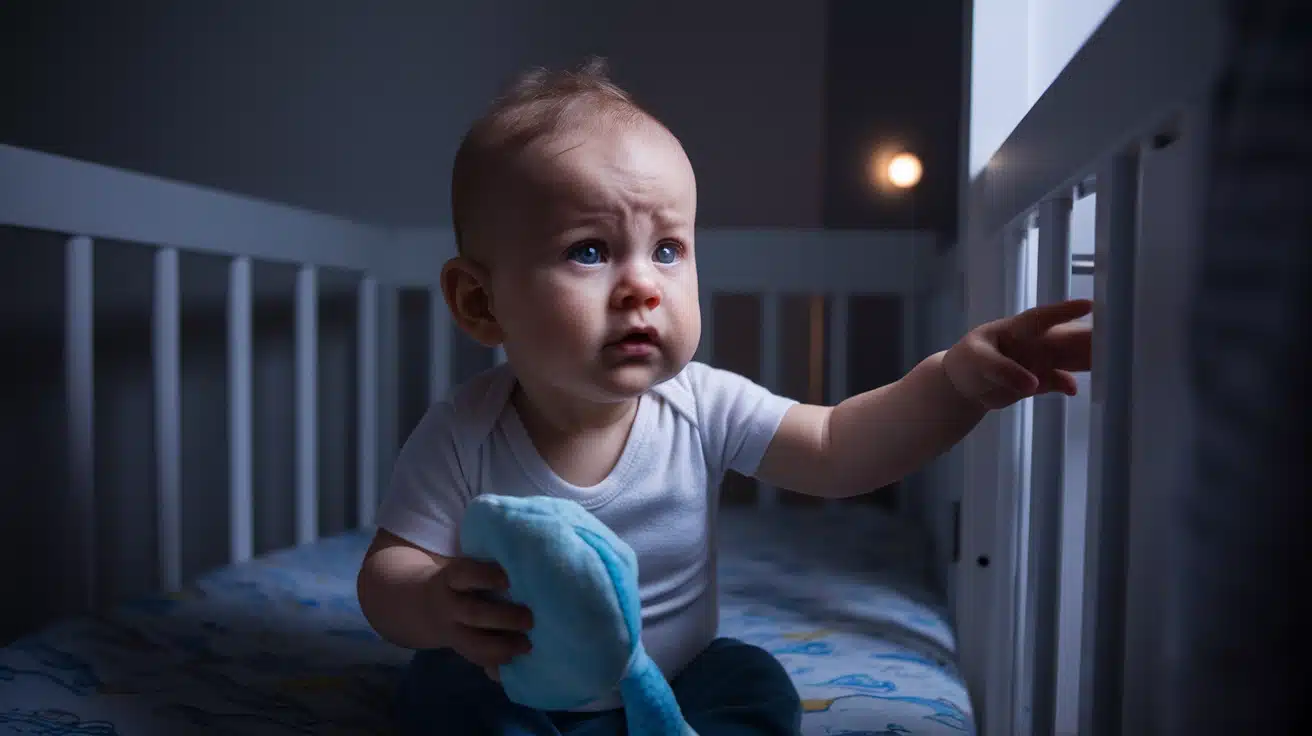
Is your once-peaceful sleeper suddenly turning bedtime into a battlefield? You’re not alone!
Many parents notice their happy, independent baby transforms into a clingy little one who refuses to sleep without you nearby. This dramatic change often catches families off guard, particularly around the 6-to 12-month mark.
What you’re witnessing isn’t defiance or bad habits – it’s separation anxiety, a normal developmental milestone. Your baby’s brain is growing smarter, and they’re finally understanding that you exist even when they can’t see you. While this realization is amazing for development, it can make nighttime overwhelming for everyone.
Separation anxiety shows secure attachment. Babies who experience it have formed strong, healthy bonds with their caregivers!
Ready to decode your little one’s nighttime messages and reclaim peaceful sleep?
What Is Separation Anxiety in Babies?
Have you ever noticed your happy, social baby suddenly burst into tears when you leave the room? Welcome to separation anxiety, one of the most normal (yet heartbreaking) parts of your baby’s development!
Separation anxiety happens when babies realize that you and they are separate people. Before this, your little one thought you were the same person! This realization stems from developing “object permanence”, the understanding that things continue to exist even when they are out of sight.
Most babies start showing separation anxiety around 6 to 8 months old, and it usually peaks between 10 to 18 months. Think of it like your baby’s first “stranger danger” alarm system kicking in.
The good news? This phase shows your baby has formed a strong, healthy bond with you.
Why Does It Often Happen at Night?
Night-time often makes separation anxiety worse for babies. The quiet and dark environment removes the everyday daytime distractions that help keep their minds busy.
During the day, babies have toys, sounds, and activities around them that help them focus on other things.
At night, babies also understand object permanence better. This means they know parents exist even when they cannot see them. This new understanding makes them realize their parents are gone and worry about when they will return.
The lack of stimulation at bedtime gives babies more time to think about missing their caregivers, which increases their anxiety levels.
How to Recognize Separation Anxiety at Bedtime
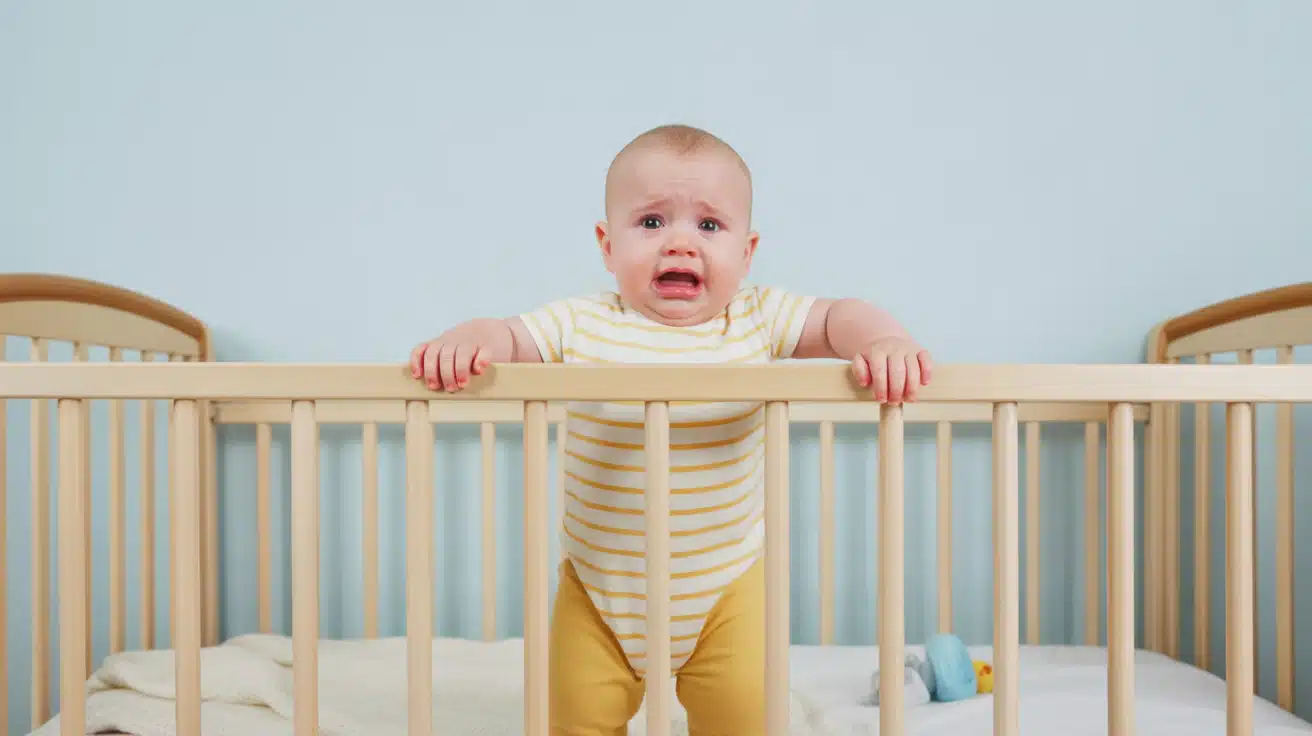
Understanding the specific signs of nighttime separation anxiety helps parents recognize what their baby is going through and respond with the right kind of comfort.
These anxiety behaviors usually appear suddenly and look very different from your baby’s normal sleep patterns.
- Intense crying when you leave the room: Your baby becomes distressed the moment you step away from their crib
- Refusing to sleep alone: They will only settle when being held or with constant physical contact.
- Frequent night wakings with calls for comfort: Your baby wakes multiple times, crying for you specifically rather than self-soothing.
- Extreme clinginess during bedtime routine: They become anxious during normal bedtime activities.
- Increased daytime anxiety affecting nighttime: Heightened stranger anxiety and general irritability that carry over into sleep.
These behaviors are temporary and indicate healthy emotional development, even though they can be exhausting. Understanding these signs helps differentiate separation anxiety from other sleep issues.
When Separation Anxiety Begins and How Long It Lasts
Understanding the timeline of separation anxiety helps parents prepare for this normal phase and know when to expect relief. Research shows that when separation anxiety peaks, it typically reaches its highest intensity between 9 and 18 months, though individual babies may vary.

This chart shows the typical rise and fall of separation anxiety in babies. It often begins around 6 months, peaks between 9 and 18 months, and eases by age 3. Understanding this pattern can help parents feel more prepared and calm.
Sleep Regression vs. Separation Anxiety
Many parents struggle to tell the difference between sleep regression and separation anxiety since both can disrupt nighttime routines. Understanding these distinctions helps families choose the right approach for better sleep.
| FACTOR | SLEEP REGRESSION | SEPARATION ANXIETY |
|---|---|---|
| Cause | Happens due to brain growth spurts, developmental milestones, teething pain, or temporary illness | Caused by emotional fear of being separated from the primary caregiver or parent |
| Pattern | Sudden onset with short-lived sleep disruptions that typically last 2-6 weeks | More consistent and persistent sleep issues, especially during bedtime and night wakings |
| Signs | Frequent night wakings, shortened naps, difficulty falling asleep, changes in appetite, increased fussiness | Intense crying when caregiver leaves the room, refusing to sleep alone, clinging behavior, distress at bedtime routine |
| Age | Most common during growth spurts between 4 and 24 months, often at 4, 8-10, 12, 18 months | Typically starts around 6-8 months, peaks between 9-18 months, and can continue until age 3 |
| Emotional Root | Usually physical or developmental, rather than emotionally related to brain changes, discomfort, or routine disruption | Strong emotional response rooted in attachment and fear of abandonment or being left alone |
Recognizing whether sleep troubles stem from regression or separation anxiety allows parents to respond with the most effective strategies and realistic expectations for improvement.
How to Help Your Child with Separation Anxiety
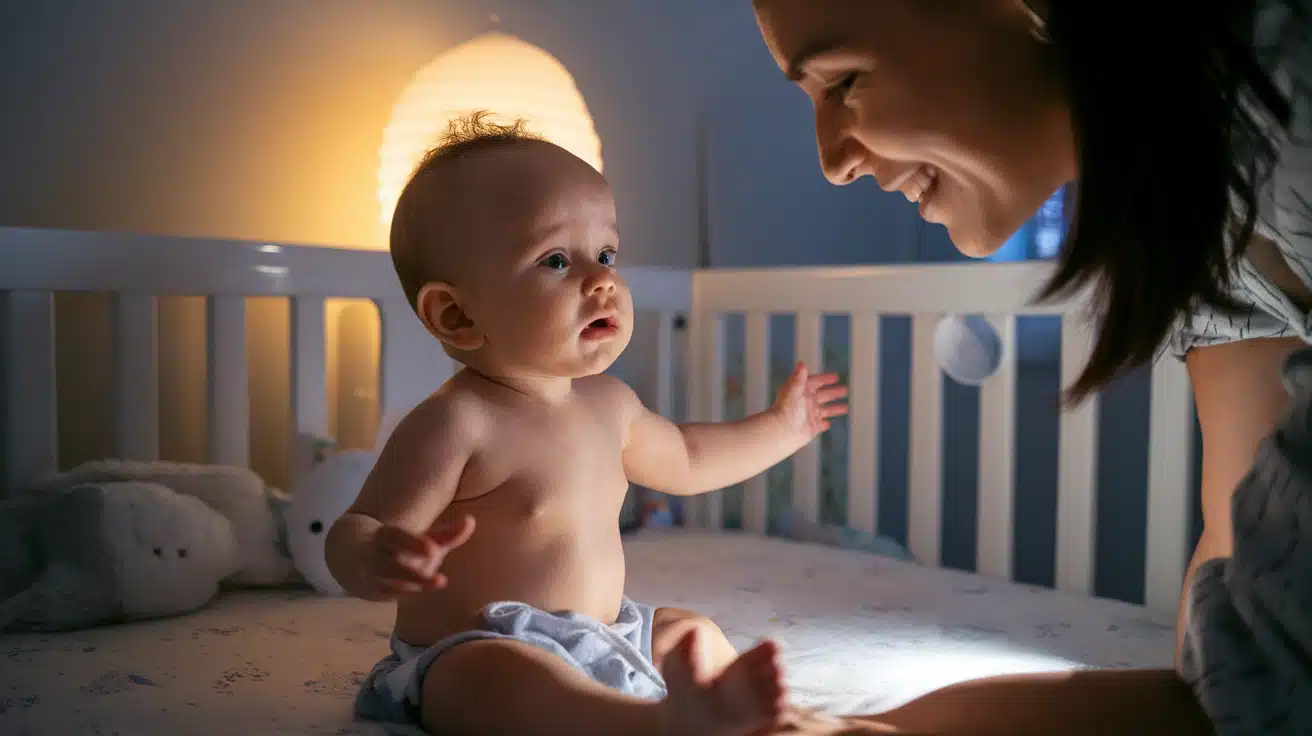
Supporting babies through separation anxiety requires patience, consistency, and gentle strategies that build their confidence over time. This is especially important for parents dealing with 7-month-old separation anxiety, as this age often marks the beginning of more intense symptoms.
1. Build Trust Through Practice
Start with short separations during the day to help babies learn that caregivers always return. Practice leaving the room for just a few minutes and gradually increase the time. This teaches babies that separations are temporary and safe.
2. Create Consistent Routines
Stick to the same bedtime routine every night, incorporating activities like reading, singing lullabies, and dimming the lights. Consistent goodbyes also help babies know what to expect. Avoid sneaking out without saying goodbye, as this can increase anxiety.
3. Introduce Comfort Objects
Offer a special blanket, soft toy, or other comfort item that babies can keep with them during sleep. These “loveys” provide security and help babies feel less alone when caregivers are not present.
4. Use Playful Learning
Play games like peek-a-boo and hide-and-seek to teach object permanence in fun ways. These activities help babies understand that people and things still exist even when they cannot see them.
5. Practice Gentle Check-Ins
Use brief check-in visits to reassure babies without picking them up. Return to the room for a few moments, offer comfort with words or gentle touches, then leave again. This shows babies that caregivers are nearby while encouraging independence.
6. Stay Calm and Patient
Babies can sense when caregivers feel stressed or anxious. Remaining calm and reassuring during difficult moments helps babies feel more secure and learn to manage their emotions more effectively.
Wrapping It Up
Is your once-peaceful sleeper suddenly turning bedtime into a battlefield? You’re not alone! Many parents notice their happy, independent baby turns into a clingy little one who refuses to sleep without you nearby.
This dramatic change often catches families off guard, particularly between the ages of 6 and 12 months.
What you’re witnessing isn’t defiance or bad habits, it’s separation anxiety, a normal developmental milestone. Your baby’s brain is growing smarter, and they’re finally understanding that you exist even when they can’t see you.
While this realization is fantastic for development, it can make nighttime overwhelming for everyone. Ready to decode your little one’s nighttime messages and turn bedtime chaos into peaceful dreams?
Share your experience: What nighttime separation anxiety signs have you noticed with your baby? Comment below, other parents would love to hear your story!
For more helpful parenting tips and baby care guides, click here to explore our blog!
