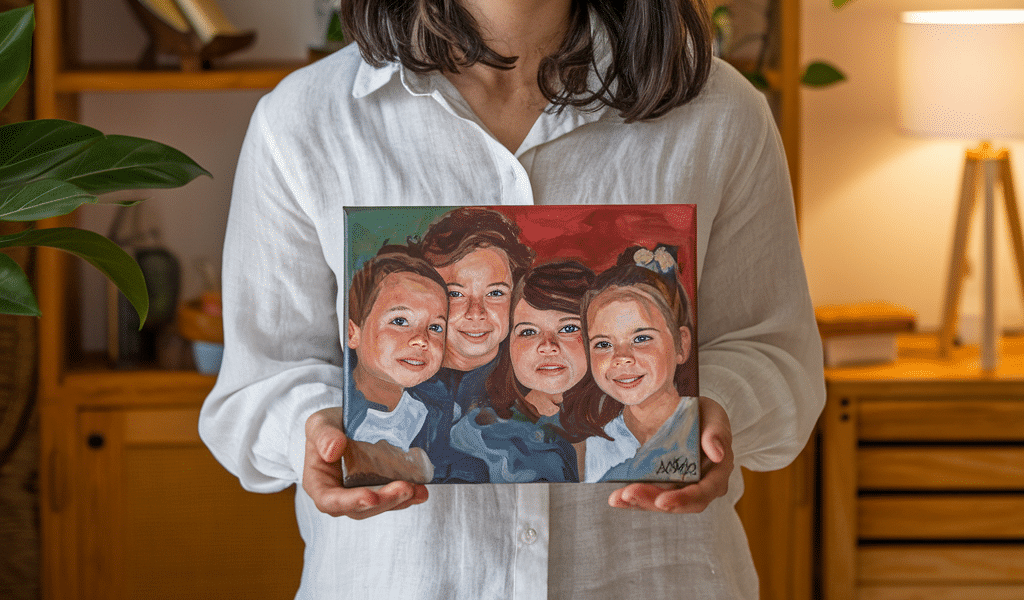
In the modern world, true silence is a rarity. We wake up to the chime of an alarm on our smartphones, check our emails before we have even left bed, and spend our days navigating a ceaseless stream of notifications, headlines, and digital demands. While technology has undoubtedly connected us, it has also created a state of perpetual low-level anxiety for many. This phenomenon, often referred to as “always-on” culture, leaves our brains overstimulated and our creative wells dry.
The antidote to this digital fatigue is not necessarily to sit in an empty room and do nothing—often, that just leads to a racing mind. Instead, the solution lies in “active rest.” This is where analog, tactile hobbies come into play. Engaging your hands in a physical craft forces your brain to switch gears from consumption to creation, offering a powerful form of mindfulness that is accessible to everyone.
If you are feeling scattered, burnt out, or simply in need of a break from the screen, here is why you should consider picking up a creative hobby, and three accessible ways to start your journey today.
The Psychology of “Flow”
Psychologists have long studied a mental state known as “flow.” Coined by Mihaly Csikszentmihalyi, flow is described as a state of complete immersion in an activity. When you are in flow, the outside world seems to melt away. You lose track of time, your worries recede into the background, and your focus narrows entirely to the task at hand.
While athletes achieve this through sport, creatives achieve it through making. The repetitive motions involved in crafting—whether it is brushing paint onto canvas, placing a tiny tile, or scratching a surface—act as a soothing balm for the nervous system. It lowers cortisol levels and increases dopamine, providing a natural high that scrolling through social media simply cannot replicate.

1. The Renaissance of Guided Painting
For many adults, the idea of painting is intimidating. We often carry scars from school art classes where we were told we weren’t “talented” enough. The fear of staring at a blank canvas and not knowing where to begin can be paralyzing. However, creativity should not be reserved for the “gifted.”
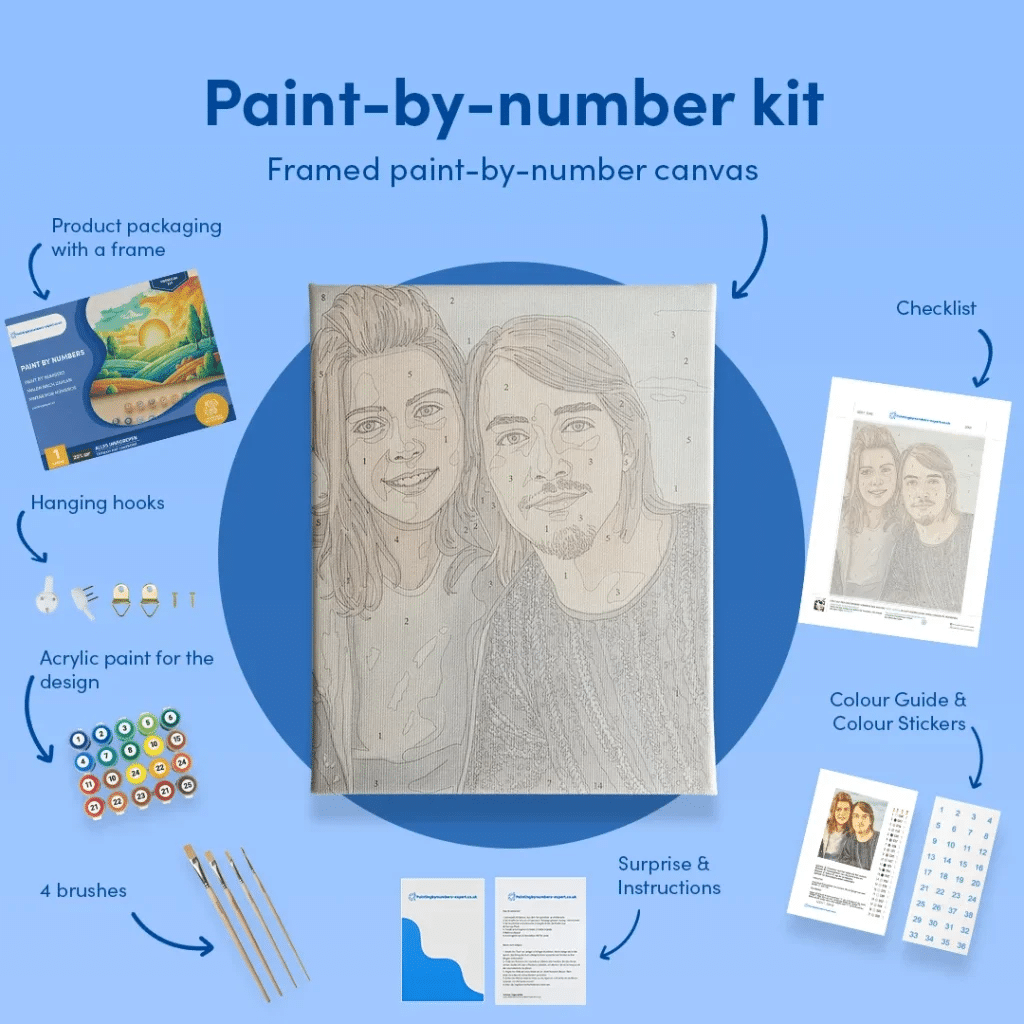
This is why structured art forms have seen a massive resurgence globally. They bridge the gap between desire and ability. Specifically,paint by numbers has evolved from a childhood pastime into a sophisticated hobby for adults. Modern kits are far removed from the simple cartoons of the past; they feature intricate landscapes, complex portraits, and reproductions of famous masterpieces by Van Gogh or Monet.
The beauty of this hobby lies in its ability to remove decision fatigue. In our daily lives, we are bombarded with choices. When you sit down with a numbered canvas, the decisions have been made for you. Your only job is to match the number on the pot to the number on the canvas. This simplicity is its strength. It allows you to engage with colour and brushwork without the stress of composition. As you fill in the sections, you watch an image emerge from the chaos, providing a deep sense of accomplishment and order.

2. The Meditative Sparkle of Diamond Art
If dealing with wet paint, water cups, and washing brushes feels like too much hassle, there is a dryer, cleaner alternative that offers the same level of satisfaction. Diamond painting, often described as a mix between cross-stitch and paint-by-numbers, has taken the crafting world by storm.
This hobby involves using an applicator pen to place hundreds, sometimes thousands, of tiny resin “diamonds” (or drills) onto an adhesive, colour-coded canvas. The result is a shimmering mosaic that catches the light and adds a unique texture to your wall decor.
The process is intensely rhythmic. Pick, place, repeat. This repetition is hypnotic and serves as excellent training for focus and fine motor skills. However, the quality of your materials can make or break the experience. Low-quality kits often come with weak adhesive or uneven drills, which leads to frustration rather than relaxation. To truly enjoy the process, it is recommended to invest indiamond painting kits by swynk. High-quality kits ensure that the symbols on the canvas are crystal clear and the diamonds are uniform, allowing you to get lost in the process without straining your eyes or your patience.

3. Revealing Light with Scratch Art
For those who want to try something completely different, scratch art (or scratch painting) offers a unique visual experience. Unlike traditional drawing where you add dark lines to a white page, scratch art is “subtractive.” You start with a board coated in a matte black layer. Using a specialised stylus, you scratch away the surface to reveal vibrant colours or metallic foils hidden underneath.
There is something deeply symbolic about scratching away the darkness to reveal the light. It is a fantastic hobby for those who want instant gratification, as every stroke of the stylus produces an immediate, high-contrast result. It requires minimal equipment—just the board and the tool—making it the perfect travel companion for train journeys or holidays where you want to stay off your phone.
Setting the Scene for Success
Choosing a hobby is only the first step. To truly reap the benefits of a digital detox, you need to curate your environment. You cannot expect to relax if you are painting on a cluttered dining table with the television blaring in the background.
- Lighting: Ensure you have adequate lighting. Detailed hobbies require good visibility to prevent eye strain. A daylight lamp is a worthy investment.
- Audio: Replace the TV with an audiobook, a podcast, or a calming playlist. This engages the auditory part of your brain without demanding visual attention.
- Comfort: Ensure your chair supports your back. It is easy to hunch over a canvas for hours, so take regular breaks to stretch.
- The “No-Phone” Zone: Make a rule that when you are at your crafting station, your phone is in another room. This physical separation is key to breaking the dopamine loop of checking notifications.
Conclusion
In a world that praises speed and multitasking, slowing down to focus on a single, manual task is a radical act of self-care. It reminds us that we are capable of creating beautiful things with our own hands. Whether you choose the fluid strokes of a paintbrush, the precise placement of a diamond, or the satisfying scratch of a stylus, the destination is the same: a quieter mind, a lower heart rate, and a tangible piece of art that you can be proud of. So, unplug, unwind, and let your creativity flow.