
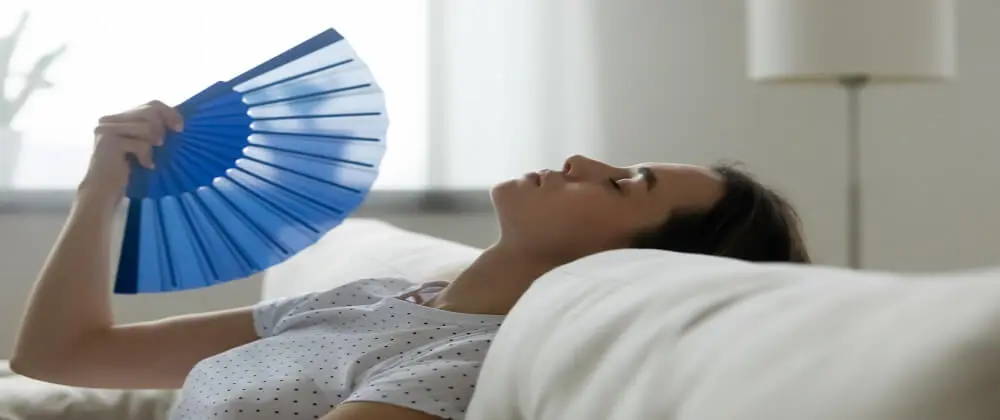
Dealing with summer heat is tough enough during the day, but trying to fall asleep in a hot, stuffy room with no air conditioning is a different level of uncomfortable. Plenty of people spend their nights sweating through summer, whether it’s due to an older apartment setup, a temporary fan failure, or just trying to save on electricity.
High overnight temperatures can mess with sleep quality, irritate the skin, and even lead to dryness issues which is why some turn to hydration aids like cooling sprays or a MENO vaginal moisture capsule to stay comfortable fom head to toe.
Fortunately, a few simple changes can make a big difference. Here are five easy ways to set up your bedroom so you can actually sleep, even when the AC is nonexistent.
1. Get Strategic With Fan Placement
A single fan pointed at your face might feel nice, but it’s not doing much to move the hot air out of your room. Instead, try setting up two fans: one facing inward near a window to pull in cooler air from outside, and another facing outward on the opposite side of the room to push warm air out. This helps circulate air and keep things from getting stagnant.
Timing matters, too. The best window airflow happens in the early morning or after sunset, when outdoor temperatures dip. If you’re only using one fan, place a shallow bowl of ice or a tray of cold water in front of it; the breeze picks up moisture from the surface and gives off a cooler chill.
A little airflow engineering can go a long way, especially in stuffy bedrooms with poor circulation.
2. Switch to Lightweight, Breathable Bedding
Not all sheets are created equal. If you’re sleeping in flannel or polyester blends during a heatwave, you’re setting yourself up for a sweaty, restless night. Stick to natural, breathable fabrics like cotton or linen because they help regulate body temperature and wick away moisture much better than synthetic materials.
Your comforter matters too. Even if you’re someone who likes to sleep under a blanket year-round, opt for the lightest layer possible. Ditch the memory foam mattress topper or thick pads if they trap heat. You can also look into moisture-wicking pillowcases or gel-infused pillows designed to stay cooler throughout the night.
When your bedding breathes, your body can too, and that’s essential for falling asleep and staying asleep when the room is warm.
3. Block Out the Heat During the Day
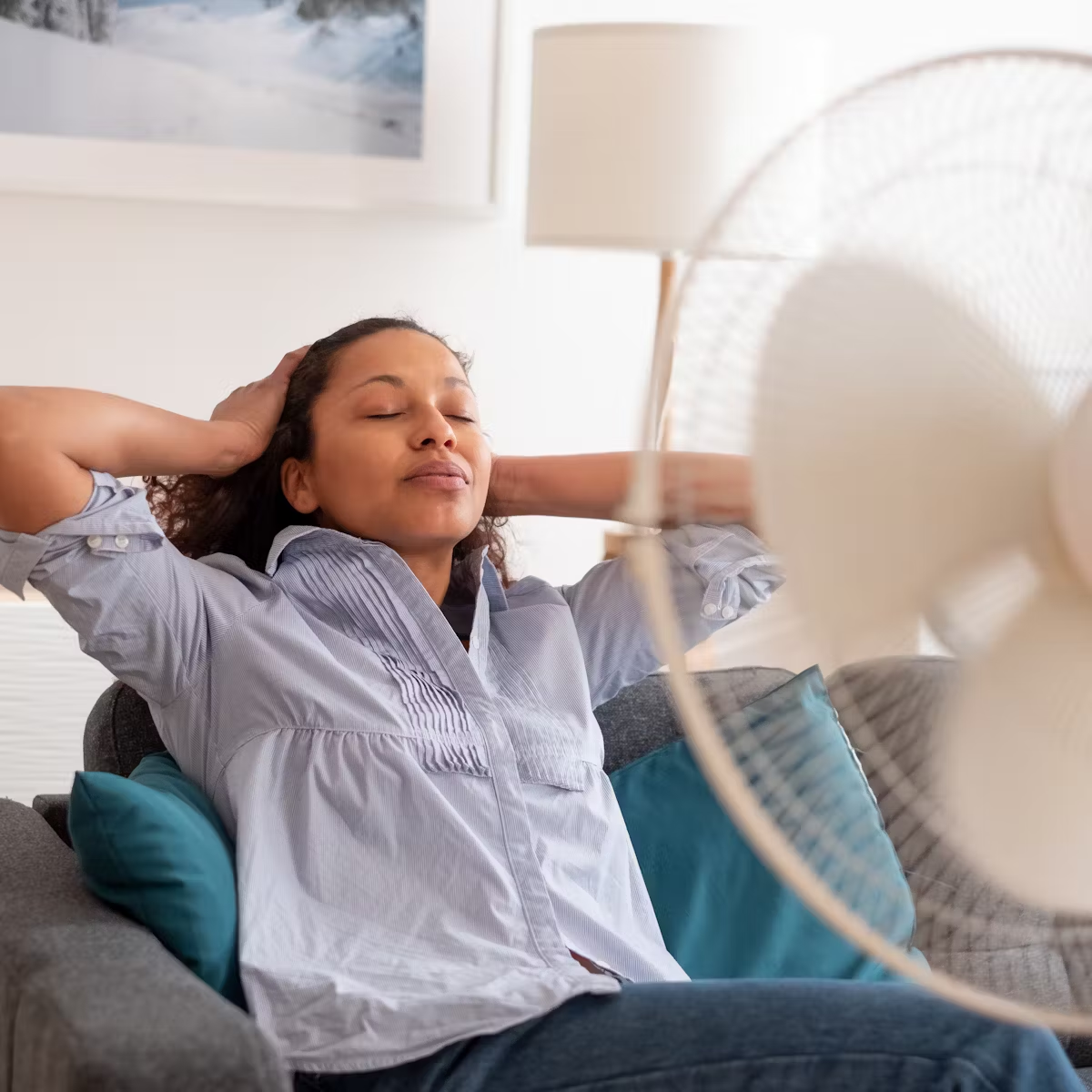
Preventing heat from building up in the first place makes a huge difference by nighttime. One of the easiest ways to do this is by keeping your curtains closed during the hottest parts of the day, especially if your bedroom faces direct sunlight.
Blackout curtains or thermal panels are especially effective; they block sunlight and help insulate against outdoor heat. Even a thick towel or reflective window covering can reduce the temperature inside by a few degrees.
Once the sun sets, open your windows to release trapped heat and invite cooler air in. Just be sure to remove any insulating layers you used earlier. Creating a day-to-night heat strategy keeps your room from turning into a sauna by bedtime.
4. Cool Down Before Bed
If your body feels overheated, it’s going to be hard to fall asleep, no matter how optimized your room is. A lukewarm shower (not cold) about 30 minutes before bed can help lower your core temperature without triggering rebound heat.
If a shower’s not possible, rinsing your feet and ankles can still help cool you down. Applying a cold, damp washcloth to pulse points (like your neck, wrists, or behind your knees) can also promote faster relief.
Keep a chilled bottle of water or an ice pack wrapped in a towel by your bed in case you wake up sweating. Don’t forget about hydration in general; drinking enough water throughout the day helps your body stay regulated overnight.
5. Rearrange Your Sleep Setup
When it’s hot and the air isn’t moving, even small positional changes can help. Heat rises, so if your bed is high off the ground or on a loft, consider sleeping lower. A mattress or sleeping pad on the floor may be noticeably cooler at night.
If your bedroom traps heat more than other areas of the house, try sleeping in a cooler room temporarily, even the living room floor if needed. During heatwaves, comfort takes priority over layout. Don’t hesitate to rearrange furniture or sleep somewhere unconventional for a few nights to get some rest.
It’s All About Small Tweaks
Sleeping in a bedroom without AC doesn’t have to mean tossing and turning all night. A few intentional changes can make a major difference. With the right setup, sleep is still totally possible, even during peak heat.
