
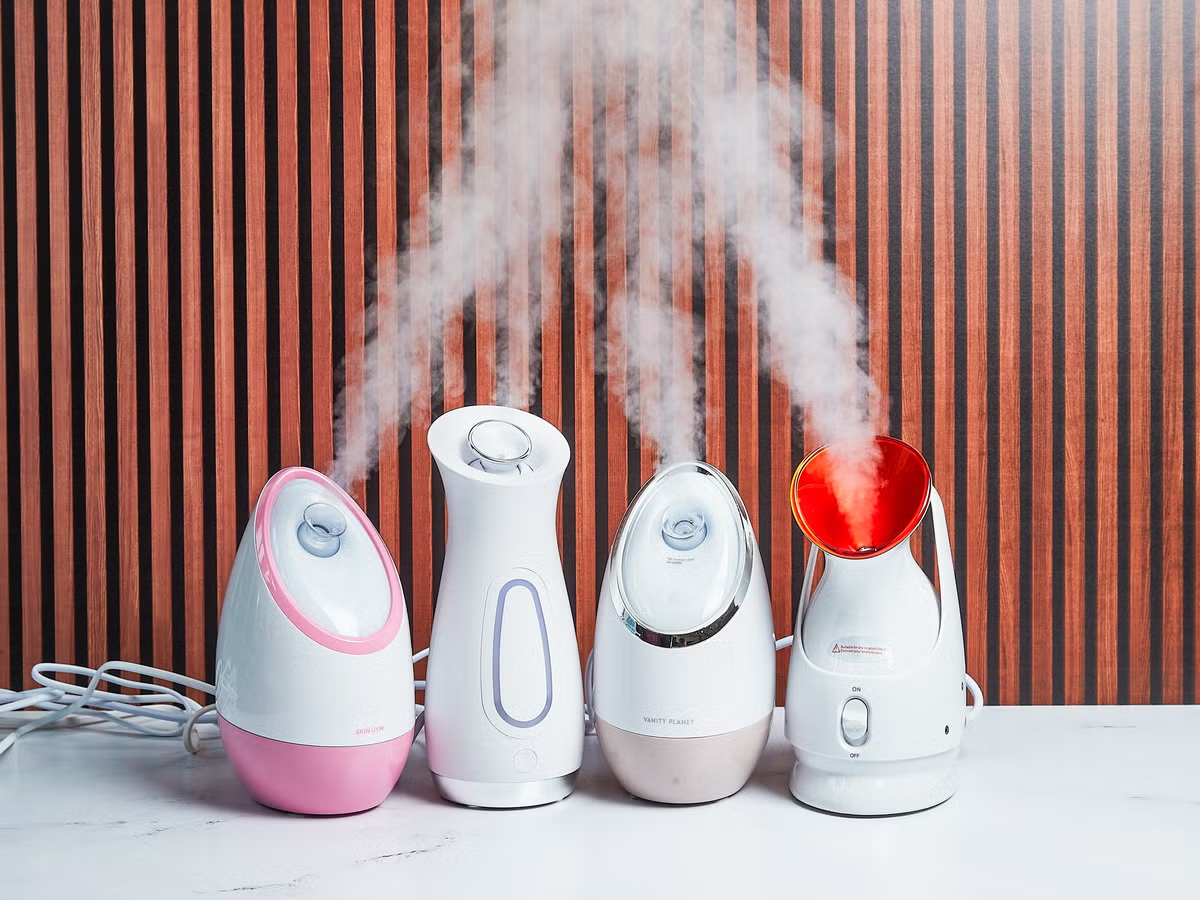
You’re scrolling through Instagram at 10 PM — probably the first quiet moment you’ve had all day — watching someone’s perfect skincare routine and wondering if that glowing, poreless complexion could actually be yours.
You’ve heard facial steamers can transform your skin, but standing in the skincare aisle (or half-asleep browsing online), you’re hit with a wall of choices.
Hot steamers, cold steamers, ionic this, nano that — how do you know which one will give you that glow without the irritation or wasted money?
Let’s break it down in a way that actually makes sense — and fits your real-life routine.
The Science Behind Hot vs. Cold Facial Steamers
Here’s what’s really happening when you steam your face (spoiler: it’s not about “opening pores”).
Hot steam boosts circulation, giving your skin that warm, rosy glow. It also softens the top layer of your skin, so your fancy serum doesn’t just sit there — it actually gets in.
Cold steam works a different kind of magic — think calm, cool, and collected. It soothes, hydrates, and tightens things up a little. Like a chilled glass of water… but for your face.
And that whole “pores opening and closing” thing? Total myth. Pores don’t have doors. Steam simply softens gunk inside them, making cleanup easier.
Hot Steam Benefits: When Warmth Works Wonders
Hot steam is like giving your skin a warm-up before the main event.
Benefits:
- Deep cleansing prep
Loosens up makeup residue, oil, and buildup from daily grime. - Better product absorption
Warm skin drinks up your skincare — so serums actually earn their price tag. - Circulation boost
That rosy glow? It’s from improved blood flow bringing nutrients to the surface. - Relaxation bonus
A few quiet minutes of steam = a mini spa moment — no babysitter required.
Cold Steam Advantages: The Cool Path to Calm Skin
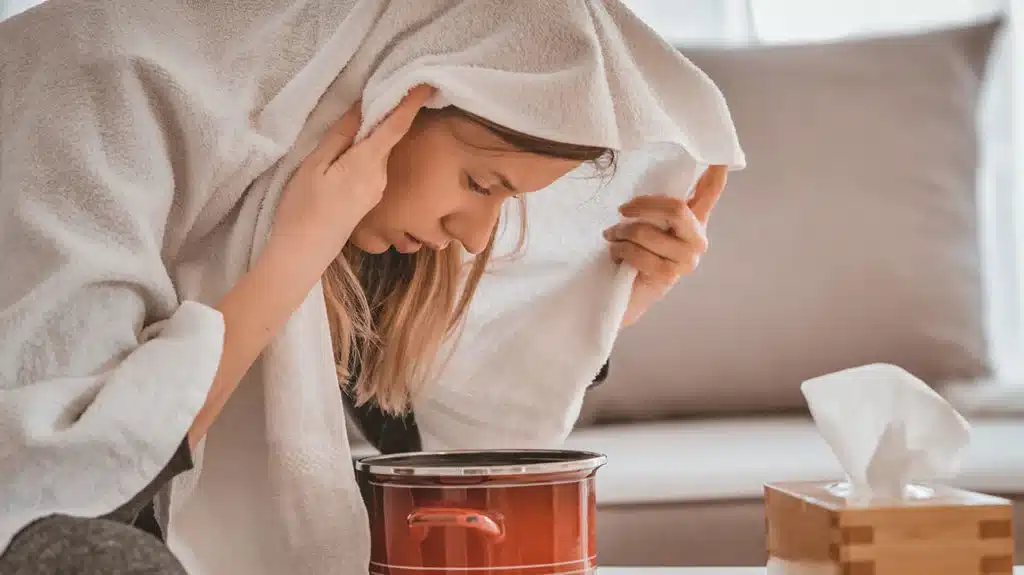
Cold steam is a go-to for sensitive skin types who need a gentler, calming option.
Benefits:
- Anti-inflammatory properties
Like a cool cloth for your face — but hands-free. - Pore-tightening appearance
Doesn’t shrink pores, but helps them look smoother. - Hydration without irritation
Quenches skin without triggering sensitivity. - Summer-friendly
Cold steam refreshes and cools without overheating you.
Side-by-Side Comparison: Hot vs. Cold Steam
| Category | Hot Steam | Cold Steam |
|---|---|---|
| Best for | Normal to oily skin, mature skin | Sensitive, acne-prone, easily irritated skin |
| Primary benefits | Deep cleanse, better absorption, circulation | Inflammation relief, firm appearance, gentle hydration |
| How often | 1–2 times per week | 2–3 times per week or even daily |
| Session length | 5–10 minutes | 10–15 minutes |
| Price range | Usually more affordable | Often pricier due to cooling tech |
Choosing Your Perfect Match: Skin Type Tips
1. Oily or acne-prone skin
- Cold steam helps calm breakouts and hydrate without clogging.
- Use hot steam briefly and follow with soothing skincare.
2. Dry or mature skin
- Hot steam promotes glow and circulation.
- Always follow with a hydrating moisturizer.
3. Sensitive skin
- Stick with cold steam and shorter sessions.
4. Combination skin
- Hot steam for dry areas, cold for oily spots.
- Mix based on your skin’s current needs.
5. First-time users
- Cold steam is safest. Gentle, low-risk, and easy to use — even mid-laundry.
Pro Tips for Safe and Effective At-Home Steaming
✔ Keep your distance
Stay 6–12 inches away. Closer doesn’t mean better — no one wants a steam burn.
✔ Watch your timing
Start with 5 minutes. Let your skin adjust before extending.
✔ Clean before you steam
Wash your face beforehand — remove makeup, sunscreen, and residue.
✔ Hydrate after
Your skin’s like a sponge post-steam. Lock in moisture with serums and creams.
And while you’re caring for your face, don’t forget your smile — it’s all part of the same glow.
Some vitamins specifically support strong teeth and healthy gums, which can boost both your oral health and confidence.
✔ Don’t overdo it
Daily steaming isn’t necessary. Less is more — and your skin will tell you what it needs.
Frequently Asked Questions
Q: How often should I use a facial steamer?
1–2 times weekly for most. 2–3 if your skin’s oily, once if it’s sensitive.
Q: Can I use essential oils?
Only if your steamer allows it. Otherwise, stick with distilled water.
Q: Is hot or cold steam better for blackheads?
Hot helps loosen debris, cold calms skin after extraction. Use both for best results.
Q: How long should each session last?
5–10 minutes for hot, 10–15 for cold. Start small and listen to your skin.
Q: Can I steam with rosacea?
Only cold steam — and check with your dermatologist first.
Q: Do I need distilled water?
Yes. Tap water can cause mineral buildup in your machine.
Q: What if my skin gets irritated?
Stop immediately. Soothe with a calming moisturizer and try shorter sessions or switch to cold steam only.
Your Glow Journey Starts Here
The best facial steamer for you depends entirely on your skin’s unique needs — not what’s trending on TikTok.
Start with your skin’s biggest concern.
Sensitive or acne-prone? Cold steam is your friend.
Looking for deep cleansing or better serum absorption? Hot steam might be your match.
And remember, consistency matters more than the type.
Stick to it, and pair it with serums and moisturizers that support your glow from the outside in.
Ready to find your perfect steaming companion?
Compare the best facial steamers for your skin goals and budget — and start building your glow routine today.
