

It always seems to happen at the worst time. A pipe bursts while you’re away for the weekend. The toilet overflows on Christmas morning. Or your boiler gives up during the first frost of the year. There’s something uniquely chaotic about plumbing emergencies—the way they force you to drop everything and deal with something you likely don’t understand and definitely didn’t plan for.
But what actually counts as a plumbing emergency? Is a dripping tap worthy of a midnight call? Is there any way to know who to trust in the middle of the night when your hallway is slowly turning into a pond? These are the things worth figuring out before you need to.
Not Everything Is An Emergency (Even If It Feels Like One)
Let’s be honest, when water’s gushing out of an unexpected place, your instincts scream: emergency. And in many cases, they’re right. But part of managing stress—especially the late-night variety—is learning to distinguish urgent from non-urgent issues. A slow-draining sink? Probably fine until morning. A leaking pipe behind a wall that’s saturating the plasterboard? That’s another story.
True plumbing emergencies usually involve one of three things: uncontrollable water flow, potential damage to the structure of your home, or safety risks (like sewage exposure or water near electrics). These are the moments where hesitation can cause thousands in damage—or worse.
That said, your definition of “urgent” may not always align with a company’s. Which is why it’s worth having a go-to service lined up in advance, preferably one known for consistent, competent, and calm service. If you’re based in Essex, opting for a trusted company that offersrapid plumbing help during off-hours can spare you from those frantic searches when every second counts. Some problems simply can’t wait—and neither should you have to.
Common Scenarios That Really Do Count
There’s always room for debate about what deserves a 2 a.m. visit, but some scenarios are widely accepted as genuine plumbing emergencies.
Burst pipes. These are a classic. They’re messy, destructive, and often hidden until the water starts pooling. Time is everything here—minutes can equal gallons.
Blocked toilets in single-bathroom homes. Not glamorous, but incredibly urgent when it’s your only option. Especially if it’s backing up.
No water at all. It’s not just inconvenient, it could signal something larger—frozen pipes, burst mains, or issues that need immediate attention before worsening.
Sewer backups. If water is coming up rather than going down, call someone. Now. Not only is this disgusting, it’s genuinely hazardous to your health.
Leaking boilers or water heaters. These might start with a trickle, but they can turn into something more serious quickly. And with hot water systems, the risk of pressure-related issues adds another layer of urgency.
Other issues—like dripping taps, small leaks under sinks, or radiators not heating properly—can usually wait until standard hours. If in doubt, though, there’s no harm in calling for advice. A good plumber will be honest about whether it’s worth dispatching someone right away.
How To Choose The Right Plumber (Under Pressure)
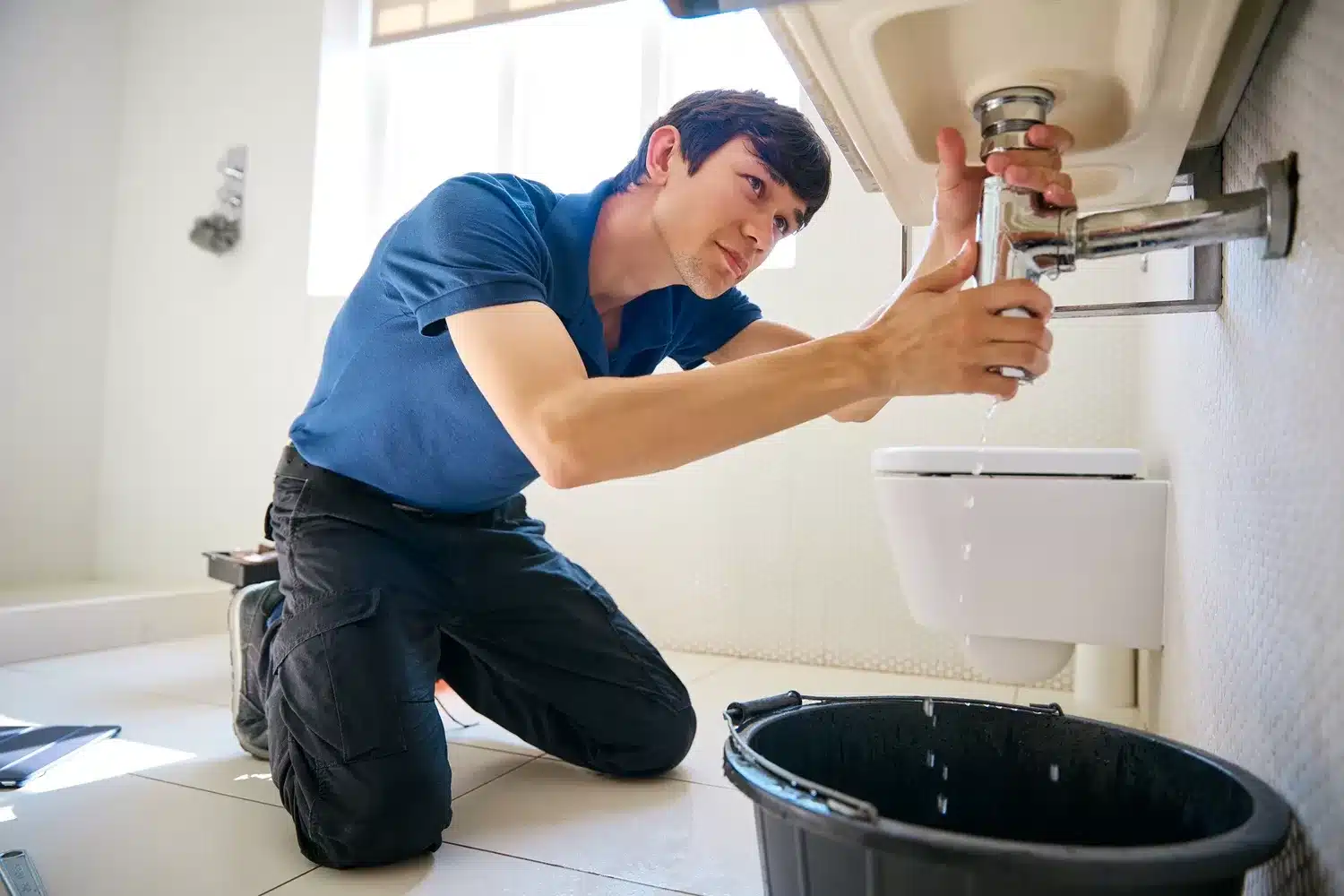
When you’re ankle-deep in water, your brain isn’t always in decision-making mode. That’s why prep work matters. Save the number of a reliable emergency plumber before you need them. It’s like having paracetamol in the cupboard—less glamorous than candles, but a lot more useful at 3 a.m.
Here’s what to look for in a company that handles emergency calls properly:
Fast, local response. You don’t want someone promising “same day” when what you need is same hour. Go local whenever possible.
Clear communication. If they’re vague about fees, ETA, or the process, it’s not a good sign. Transparency is non-negotiable when emotions (and floors) are running high.
Certifications and insurance. These are your protection. Especially important if someone needs to handle gas, electrics, or anything else risky.
Real reviews, not just ratings. Five stars is great, but why they were earned is even more important. Look for examples of professionalism, politeness, and follow-through.
The best emergency plumbers are calm, capable, and honest. They don’t just fix the leak—they help stabilise your stress level, too.
After The Panic: What Comes Next?
Once the crisis is handled and the adrenaline wears off, it’s time to regroup. Ask for a breakdown of what was done and why. Keep photos, especially if you plan to claim through insurance. And if the job was handled well, store that number. Maybe even text a thank-you. Emergency tradespeople don’t get enough of those.
Also, ask if anything needs follow-up. Emergency repairs are often temporary measures to stop the worst of the damage—especially if specialist parts or more involved work is required. Make sure you know what the next steps are and when to act on them.
Preparation Beats Panic
No one wants to think about plumbing disasters until they’re already knee-deep in one. But being a little proactive—knowing what counts as urgent, knowing who to call, and knowing what to expect—can turn a nightmare into a mild inconvenience.
And while you can’t always prevent leaks, floods, or breakdowns, you can make sure they don’t spiral into something worse. That’s the value of a good emergency plumber. They don’t just show up; they show up with clarity, care, and the kind of competence that puts your mind at ease.
Because in those late-night emergencies, what you really want—besides dry socks—is the sense that someone capable is on your side.
