

Electricity is one of those things we rely on every single day without really thinking about it. From kettles and hair straighteners to phone chargers and backyard power tools, it quietly keeps our homes running. But when something goes wrong, an electric shock can be frightening, especially if it happens to a child or someone you love.
In Australia, electric shocks remain a common household accident. They can happen because of damaged cords, faulty appliances, DIY electrical work gone wrong, or even outdoor hazards like storms and fallen power lines. While some shocks are mild and cause nothing more than a jolt and a scare, others can be far more serious.
Understanding how to respond calmly and safely makes all the difference. Knowing the right first aid steps helps you protect yourself, support the injured person, and get medical help when it matters most. This guide walks you through what to look for, what to do, and how to reduce the risk of electric shock at home.
Recognising the Symptoms of Electric Shock
Electric shock symptoms can vary widely, which is why it’s important not to dismiss the incident just because it “didn’t look too bad” at first.
Some of the more common signs of electric shock include:
- Burns where the electricity entered or exited the body
- Muscle spasms or uncontrollable movements
- Tingling, numbness, or weakness
- Difficulty breathing
- An irregular or rapid heartbeat
- Confusion, dizziness, or loss of consciousness
In young children, symptoms may be harder to spot. A child might simply seem unusually quiet, distressed, or complain of pain without being able to explain it clearly.
The severity of symptoms often depends on the voltage, how long the person was exposed, and the path the electricity took through the body. A mild shock might only cause brief discomfort, while a more serious shock can interfere with the heart’s rhythm, breathing, or nervous system.
It’s also important to remember that internal injuries aren’t always obvious straight away. Even if someone seems “okay” after a shock, symptoms can develop later, which is why medical advice is often recommended.

Immediate First Aid Steps for Electric Shock Victims
Your first instinct may be to rush in and help — especially if it’s your child — but your safety comes first. Never touch someone who is still in contact with an electrical source.
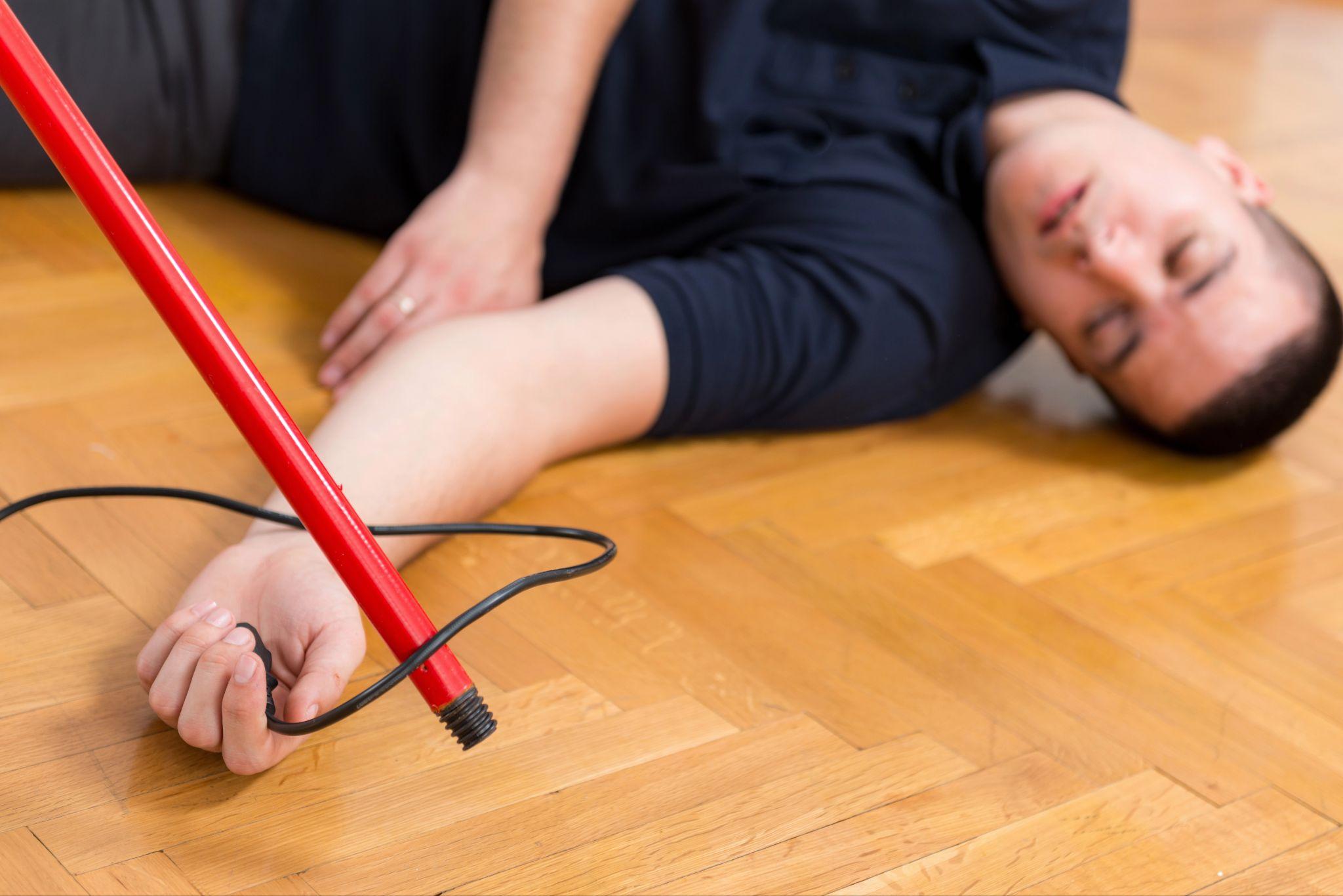
If possible, turn off the power at the switch, circuit breaker, or unplug the appliance. If you can’t safely turn the power off, use a non-conductive object such as a wooden broom handle or a plastic chair to move the person away from the source. Never use anything metal or wet.
Once the area is safe:
- Check if the person is conscious and breathing normally.
- Call emergency services immediately if they are unresponsive, struggling to breathe, or showing severe symptoms.
- Keep the person still, calm, and warm while help is on the way.
Try to stay reassuring. A calm voice and steady presence can help reduce panic, particularly for children, who may be frightened even if their injuries are minor.
Administering CPR and Other Emergency Techniques
If the person is unresponsive and not breathing normally, CPR may be required. This can be an overwhelming moment, but doing something is always better than doing nothing.
If you’re trained in CPR:
- Place the heel of your hand in the centre of the chest, with your other hand on top
- Keep your arms straight and press down firmly and quickly
- Aim for 30 chest compressions followed by two rescue breaths
- Continue until emergency services arrive or the person starts breathing
Many public places and workplaces in Australia have Automated External Defibrillators (AEDs). These devices are designed to be used by everyday people, not just professionals. The machine will talk you through each step, so if one is available, use it.
Australian Good Samaritan laws protect people who offer reasonable help in an emergency. You are not expected to be perfect — just to act in good faith.
Treating Burns and Other Injuries from Electric Shock
Electrical burns can be deceptive. They may look small on the surface while causing deeper tissue damage underneath.
If there are visible burns:
- Cool the area under gently running cool water for around 20 minutes
- Do not use ice, butter, creams, or ointments
- Do not pop blisters
- Cover the burn loosely with a clean, non-stick dressing
Electric shocks can also cause falls, which may result in sprains, fractures, or head injuries. If you suspect a broken bone, keep the area still and supported until medical help is available.
Always seek medical advice after an electric shock, particularly for children, pregnant women, or anyone with heart conditions. Even when injuries seem minor, it’s better to be cautious.
Preventive Measures and Safety Tips
As parents and caregivers, prevention is always the goal. While accidents can happen, there are plenty of ways to reduce the risk of electric shock at home.
Simple safety measures include:
- Replacing damaged cords and appliances promptly
- Using safety power point covers for young children
- Avoiding overloading power boards
- Keeping electrical items away from water
- Having safety switches installed and tested regularly
Teaching children age-appropriate electrical safety is just as important. Simple rules like not pulling cords, not touching switches with wet hands, and telling an adult if something looks broken can go a long way.
If you’re unsure about wiring, outdoor power points, or renovations, always use a licensed electrician. DIY fixes may seem cheaper but can be incredibly dangerous.
Staying Calm, Prepared, and Ready to Act
Electric shock incidents are scary, but knowledge brings confidence. When you understand what to look for and how to respond, you’re far better equipped to protect the people you love.
First aid training is invaluable, especially for parents. Regular refreshers help keep information fresh and ensure you’re ready to act under pressure. Keeping a well-stocked first aid kit at home and in the car also helps you respond quickly.
Knowing what to do after an electric shock isn’t about expecting the worst — it’s about being prepared just in case. Quick thinking, calm actions, and timely medical support can make a life-changing difference.
If your home has experienced an electric shock incident, or you’re worried about faulty wiring, damaged power points, or ageing electrical systems, it’s important to have everything checked by a licensed electrician. Professional electrical services can identify hidden risks, make necessary repairs, and help ensure your home is safe for your family. Don’t wait for another scare — a simple safety inspection today can prevent serious accidents tomorrow.
