

Ever feel like your 18-month-old has more energy than you know what to do with?
One minute, they’re happy. Next, they’re fussy. You want to keep them entertained, but you’re running out of ideas.
Here’s the good news: you don’t need fancy toys or expensive classes. Simple activities for 18-month-old toddlers work best, and you can do them right at home.
This guide shares easy play ideas that’ll keep your little one busy and learning.
You’ll find sensory games, movement activities, language builders, and everyday tasks that teach. Plus, we’ll cover what actually works at this age and how to keep playtime safe.
Let’s get started.
What Works Best for an 18-Month-Old?
Your toddler won’t sit still for long. That’s okay.
At 18 months, attention spans last about 2 to 6 minutes. They move from one thing to another quickly. This is how they learn.
Toddlers learn through repetition. Doing the same thing over helps their brain make connections. When they ask for the same song or game again, say yes. It may feel boring to you, but it’s powerful for them.
At this age, three things help toddlers grow:
- Movement – Climbing, walking, and jumping build strength.
- Sensory input – Touching and exploring new textures helps brain development.
- Language – Talking, singing, and naming objects boost communication skills.
The best activities include at least one of these areas.
Screens don’t teach toddlers the way real play does. At 18 months, children learn by doing. They need to touch, grab, stack, and throw.
Simple Activities for an 18-Month-Old at Home
These activities are easy to set up and use items you already have at home. Pick what fits your child’s mood and energy level today.
Sensory Play
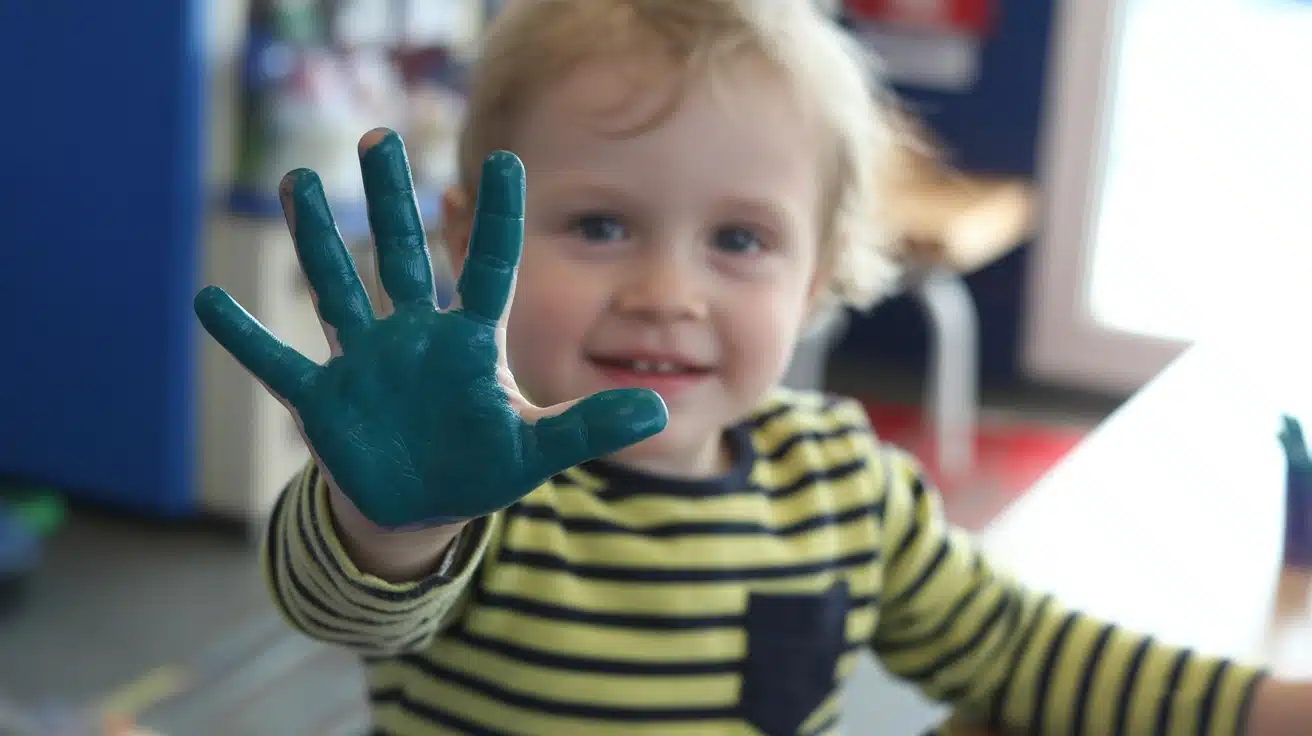
Sensory activities help toddlers explore the world through touch, sight, and sound. They build brain connections and keep little hands busy.
1. Water Play with Cups and Bowls
Fill a shallow tub with water. Give your toddler plastic cups and bowls. Let them pour, scoop, and splash.
- How it helps: Builds hand control and teaches cause and effect.
- Play time: 10-15 minutes
2. Scooping Dry Rice or Pasta
Put uncooked rice or pasta in a bin. Add spoons and small containers. Your child can scoop and pour safely.
- How it helps: Improves fine motor skills and hand-eye coordination.
- Play time: 5-10 minutes
3. Finger Painting with Washable Paint
Put washable paint on paper or a tray. Let your toddler smear and explore with their fingers.
- How it helps: Encourages creativity and sensory exploration.
- Play time: 5-10 minutes
4. Playing with Textured Fabrics
Gather soft blankets, rough towels, and smooth scarves. Let your child touch and feel each one.
- How it helps: Develops sense of touch and texture recognition.
- Play time: 5-8 minutes
5. Bubble Popping
Blow bubbles in the air. Your toddler will chase and pop them with their hands.
- How it helps: Improves tracking skills and hand-eye coordination.
- Play time: 5-10 minutes
Gross Motor Play

Gross motor activities build strength, balance, and coordination. They help toddlers burn energy and develop physical confidence.
6. Stacking and Knocking Down Blocks
Give your child soft blocks or boxes. They can stack them up and knock them down over and over.
- How it helps: Builds hand control and teaches cause and effect.
- Play time: 5-10 minutes
7. Pushing and Pulling Toys
Toy shopping carts or pull-along animals help toddlers practice walking. They also build balance and strength.
- How it helps: Strengthens legs and improves balance while walking.
- Play time: 10-15 minutes
8. Rolling and Kicking a Soft Ball
Sit on the floor and roll a ball back and forth. Let them kick it too.
- How it helps: Develops coordination and leg strength.
- Play time: 5-10 minutes
9. Climbing Pillows or Cushions
Pile cushions on the floor. Your toddler can climb over them safely at their own pace.
- How it helps: Builds core strength and spatial awareness.
- Play time: 10-15 minutes
10. Simple Obstacle Path
Set up a path with pillows, boxes, or toys. Your child can step over or walk around them.
- How it helps: Improves problem-solving and gross motor skills.
- Play time: 5-10 minutes
Language and Early Learning
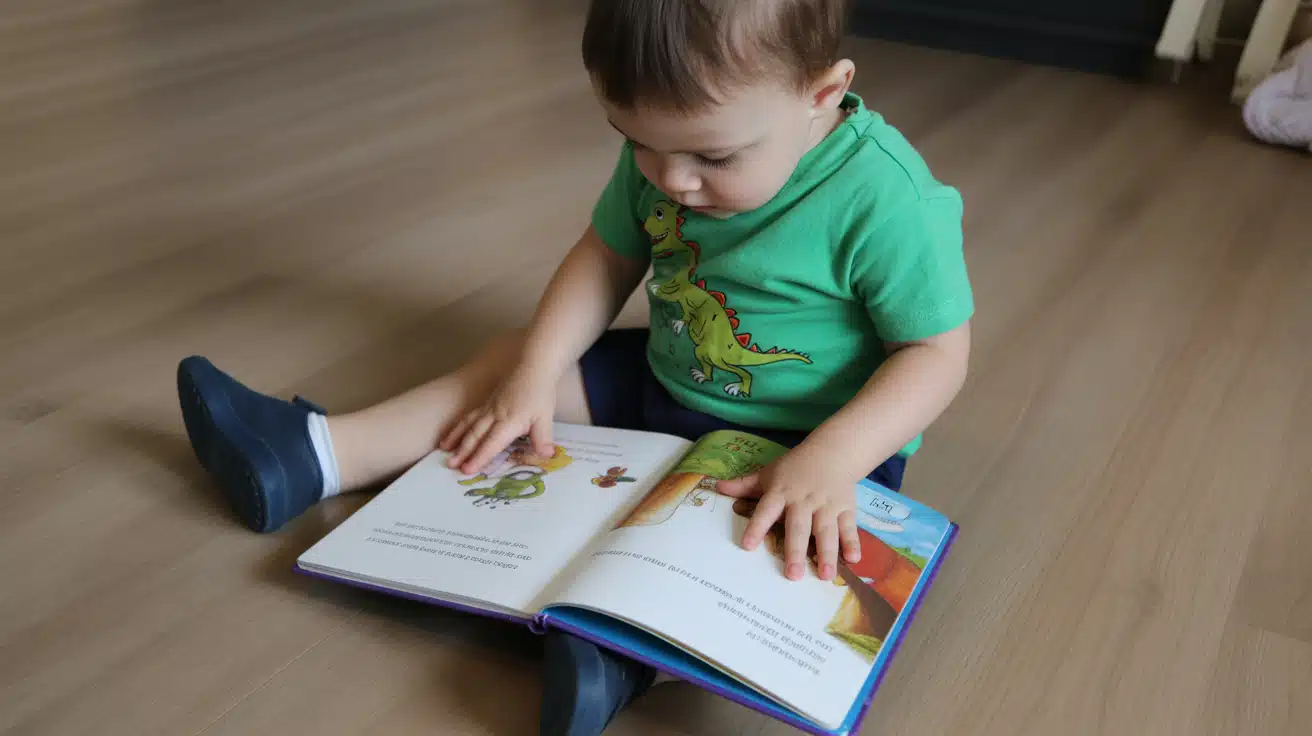
Language activities boost vocabulary and communication. They teach toddlers to connect words with objects and actions.
11. Reading Board Books Together
Pick books with bright pictures and simple words. Point to pictures and let your child turn the pages.
- How it helps: Builds vocabulary and listening skills.
- Play time: 5-10 minutes
12. Naming Objects Around the Room
Walk around your home and name things you see. Say “chair,” “lamp,” or “cup.” Please keep it simple.
- How it helps: Expands vocabulary and word recognition.
- Play time: 5-10 minutes
13. Singing Action Songs
Songs like “Head, Shoulders, Knees, and Toes” help toddlers learn body parts. Sing and move together.
- How it helps: Teaches body awareness and memory.
- Play time: 5-10 minutes
14. Pointing to Pictures and Naming Them
Use picture books or flashcards. Point to each image and say the name. Ask your child to point too.
- How it helps: Strengthens word association and recognition
- Play time: 5-8 minutes
15. Making Animal Sounds
Show pictures of animals and make their sounds. Say “moo” for a cow or “woof” for a dog.
- How it helps: Teaches sound recognition and language play.
- Play time: 5-10 minutes
Creative and Pretend Play
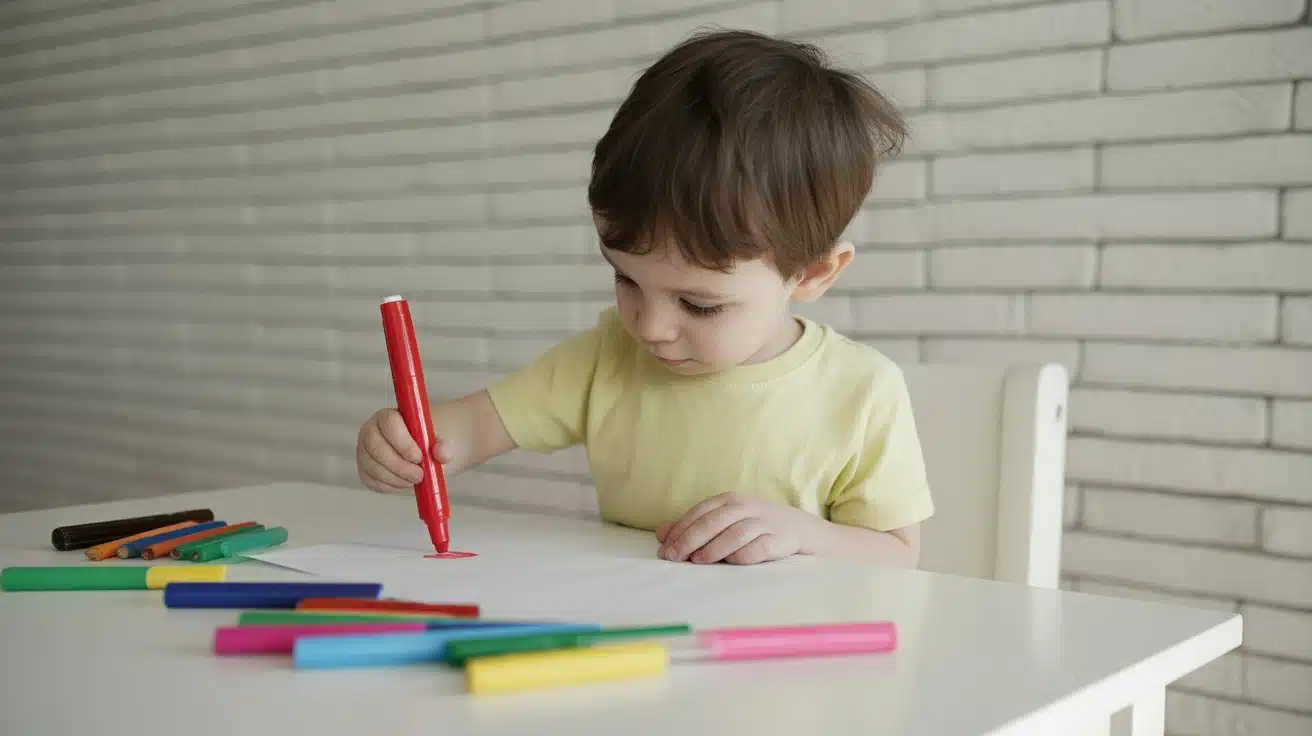
Creative play sparks imagination and emotional growth. It helps toddlers express themselves and understand the world around them.
16. Pretend Kitchen Play
Give your toddler toy pots, spoons, and play food. Let them stir and pretend to cook.
- How it helps: Encourages imagination and role-play skills.
- Play time: 10-15 minutes
17. Scribbling with Crayons
Tape paper to the table. Hand your child thick crayons and let them scribble freely.
- How it helps: Develops grip strength and early writing skills.
- Play time: 5-10 minutes
18. Playing with Dolls or Stuffed Toys
Show your toddler how to hug, feed, or rock a doll. This teaches care and empathy.
- How it helps: Builds empathy and nurturing behavior.
- Play time: 10-15 minutes
19. Toy Cars and Ramps
Use a book or a cardboard to make a ramp. Let your toddler roll toy cars down it.
- How it helps: Teaches cause and effect and problem-solving.
- Play time: 5-10 minutes
20. Dressing up with Scarves or Hats
Give your child safe hats or soft scarves. They can put them on and take them off for fun.
- How it helps: Develops independence and fine motor skills.
- Play time: 5-10 minutes
Everyday Activities That Teach

Everyday tasks make great learning moments. They teach toddlers practical skills while spending time together.
21. Sorting Toys by Color or Size
Put toys in two piles. Ask your toddler to help sort them by color or size.
- How it helps: Teaches colors, sizes, and sorting skills.
- Play time: 5-10 minutes
22. Posting Toys Into Containers
Cut a hole in a box lid. Let your child drop toys or blocks through the opening.
- How it helps: Improves hand-eye coordination and problem-solving.
- Play time: 5-10 minutes
23. Matching Lids to Containers
Gather plastic containers and their lids. Your toddler can try to match them together.
- How it helps: Develops matching skills and logical thinking.
- Play time: 5-10 minutes
24. Sorting Laundry Items
Give your child socks or washcloths to sort. They can help put them in piles or baskets.
- How it helps: Teaches sorting and helps with daily routines.
- Play time: 5-10 minutes
25. Playing with Safe Household Items
Wooden spoons, plastic bowls, and measuring cups make great toys. Let your toddler explore them safely.
- How it helps: Encourages exploration and imaginative play.
- Play time: 10-15 minutes
Now that you have plenty of activity ideas, let’s talk about keeping your toddler safe during playtime.
Safety Tips for Toddler Activities
Play should be fun, but safety comes first. Here are five simple rules to keep your toddler safe during activities.
1. Always Supervise: Stay close while your toddler plays. Even safe activities need an adult nearby. Toddlers move fast and can get into things quickly. Keep an eye on them at all times.
2. Avoid Small or Sharp Objects: Don’t give your child anything smaller than a toilet paper roll. Small items can cause choking. Keep sharp objects like scissors or knives out of reach. Check toys for broken parts before play.
3. Keep Play Areas Clear: Remove furniture with sharp edges from play spaces. Make sure the floor is clean and free of hazards. If your toddler climbs, place soft mats or cushions underneath.
4. Use Non-Toxic Materials Only: Choose washable, non-toxic paints and art supplies. Check labels before buying. Avoid materials with strong chemical smells. Natural items like rice and pasta are safer choices.
5. Set up Activities at the Right Height: Place activities on the floor or at a low table. High surfaces can lead to falls. Make sure chairs and stools are stable if your child needs to sit.
These simple steps will help you create a safe space for your toddler to learn and play.
Conclusion
You don’t need a packed schedule to keep your 18-month-old happy and learning.
Simple activities for 18-month-old toddlers work best when they involve movement, sensory fun, and lots of talking.
Start with just one or two activities from this list today. See what your child enjoys. Let them repeat it as many times as they want. That’s how they learn best.
Remember, short play sessions are regular at this age. Don’t worry if they move on quickly. The goal is exploration, not perfection.
Which activity will you try first? Pick one and give it a go.
Your toddler is ready to learn through play, and you’ve got everything you need right at home.

Love this! My Great Granddaughter is the toddler! I will forward to my granddaughter. Thank you.