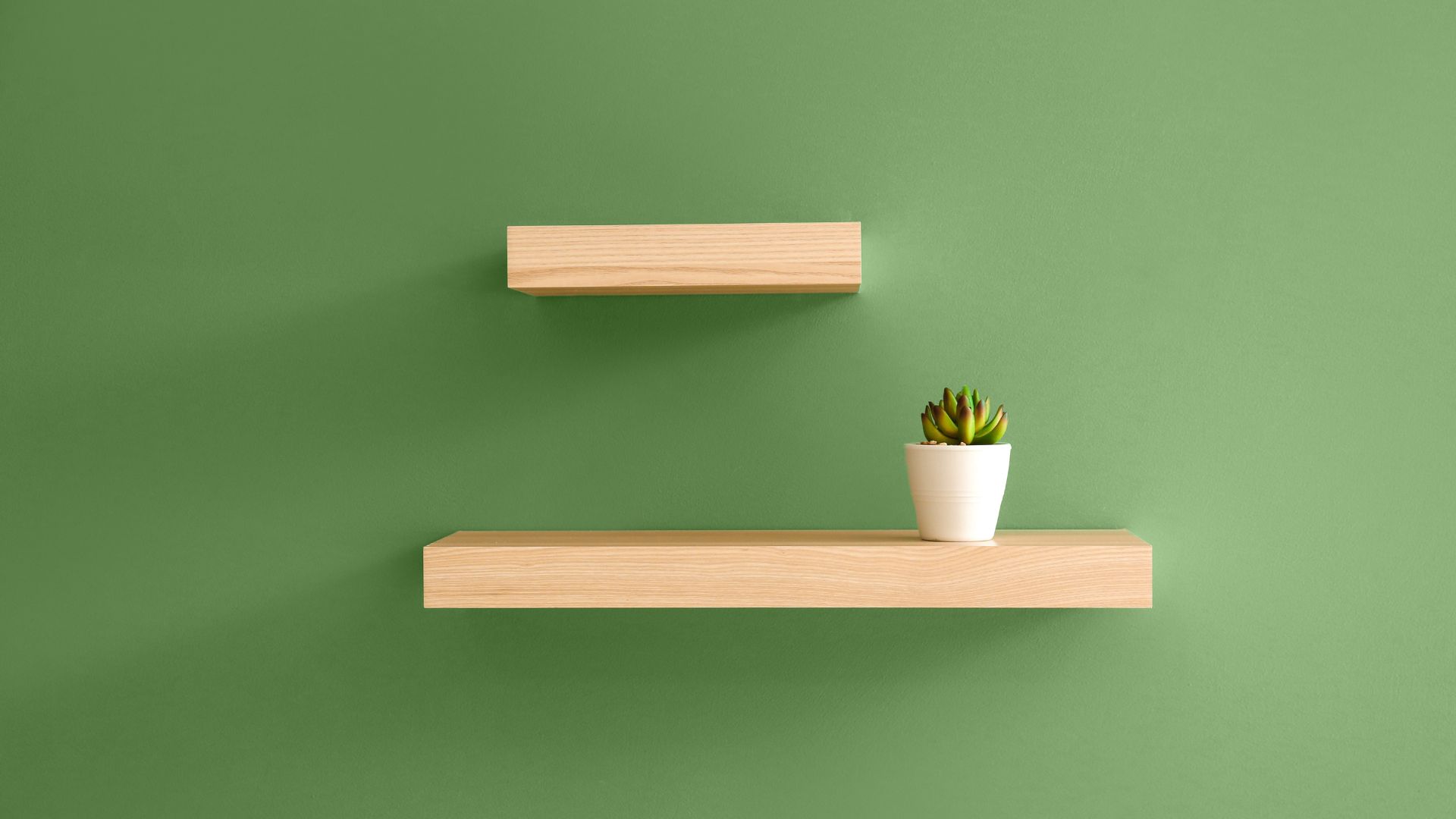
You don’t need a carpenter or a big budget to make your walls look incredible.
A few well-placed DIY floating shelves can completely change a room, adding storage, style, and that “put-together” look people always notice. The best part?
You can build them yourself in a single afternoon.
Whether you’re squeezing extra storage into a small bathroom or creating a display wall in your living room, floating shelves are one of the most practical upgrades you can make.
They’re clean, customizable, and surprisingly beginner-friendly once you know what you’re doing.
This guide walks you through everything, from choosing the right wood and tools to installing shelves that are level, secure, and built to last. Let’s get into it.
What Are Floating Shelves and How Do They Work?
Floating shelves are wall-mounted shelves with no visible brackets or legs. They appear to “float” against the wall because of the hidden hardware inside.
Concealed brackets or rods anchor into the wall and slide into the shelf, keeping everything flush and clean-looking.
Unlike traditional shelves that sit on visible supports or inside a unit, floating shelves attach directly to the wall. That makes them far more flexible with space.
They work best in living rooms, kitchens, bathrooms, and home offices, basically anywhere you want storage without bulk.
Small rooms especially benefit since floating shelves add function without eating up floor space. Whether you’re displaying books, plants, or décor, they blend in naturally with almost any interior style.
Types of Floating Shelf Support Systems
Each support system has its own strength. Here’s a quick look at what’s available before you pick one for your build.
| Support System | How It Works | Best For |
|---|---|---|
| Hidden Steel Rod Brackets | Metal rods insert into drilled holes in the shelf board | Heavy-duty shelves, solid wood |
| French Cleat System | Angled wall-mounted strip locks into a matching cleat on the shelf | Adjustable setups, workshop or garage |
| Hollow Box Shelf Frame | A hollow wooden box slides over a wall-mounted frame | Clean, modern floating shelf look |
| Threaded Rod Method | Threaded rods bolt into studs and screw into the shelf | Extra-secure, load-bearing shelves |
The right support system depends on your wall type, shelf weight, and the level of finish you want for the final look.
Tools and Materials Needed for DIY Floating Shelves
Before you start building, make sure everything is within arm’s reach. Having the right tools makes the whole process smoother.
| Tool / Material | Purpose |
|---|---|
| Drill and Drill Bits | Drilling into walls and shelf boards |
| Stud Finder | Locating wall studs for secure mounting |
| Level | Keeping the shelf perfectly horizontal |
| Measuring Tape | Accurate placement and sizing |
| Saw | Cutting wood boards to length |
| Clamps and Pencil | Holding pieces steady and marking measurements |
| Wood Boards | The shelf itself |
| Floating Shelf Brackets | The hidden support system |
| Screws and Wall Anchors | Securing brackets to the wall |
| Wood Glue | Reinforcing joints in box-style shelves |
| Sandpaper and Finish | Smoothing and protecting the wood surface |
With these basics covered, you’re ready to move from planning to building without unnecessary stops midway.
Planning Your DIY Floating Shelf Project
Good planning saves time, money, and a lot of wall repairs. Get these decisions right before you pick up a drill.
Choosing the Right Wall
Not every wall handles floating shelves the same way.
- Stud walls are ideal. Screwing directly into studs gives you the strongest hold.
- Drywall alone isn’t enough for heavy shelves. Use proper wall anchors if studs aren’t where you need them.
- Masonry walls need masonry drill bits and appropriate anchors, but they’re very strong once set up correctly.
Always know your wall type before buying brackets or hardware.
Deciding Shelf Size and Depth
Shelf depth depends on what you’re storing. A standard floating shelf is usually 8 to 12 inches deep, enough for books, plants, or kitchen essentials.
For decorative shelves, 6 to 8 inches is a good range. For heavier items like appliances or large books, go deeper and thicker. Also, think about how much wall space you have. A shelf that’s too long on a narrow wall looks off-balance.
Finding Studs for Proper Support
A stud finder is your best friend here. Run it slowly across the wall and mark both edges of each stud with a pencil. Studs are typically spaced 16 inches apart.
If your shelf placement doesn’t line up with studs, heavy-duty wall anchors can work. But always prefer studs whenever possible for anything that carries real weight.
Step-by-Step Guide to Building DIY Floating Shelves
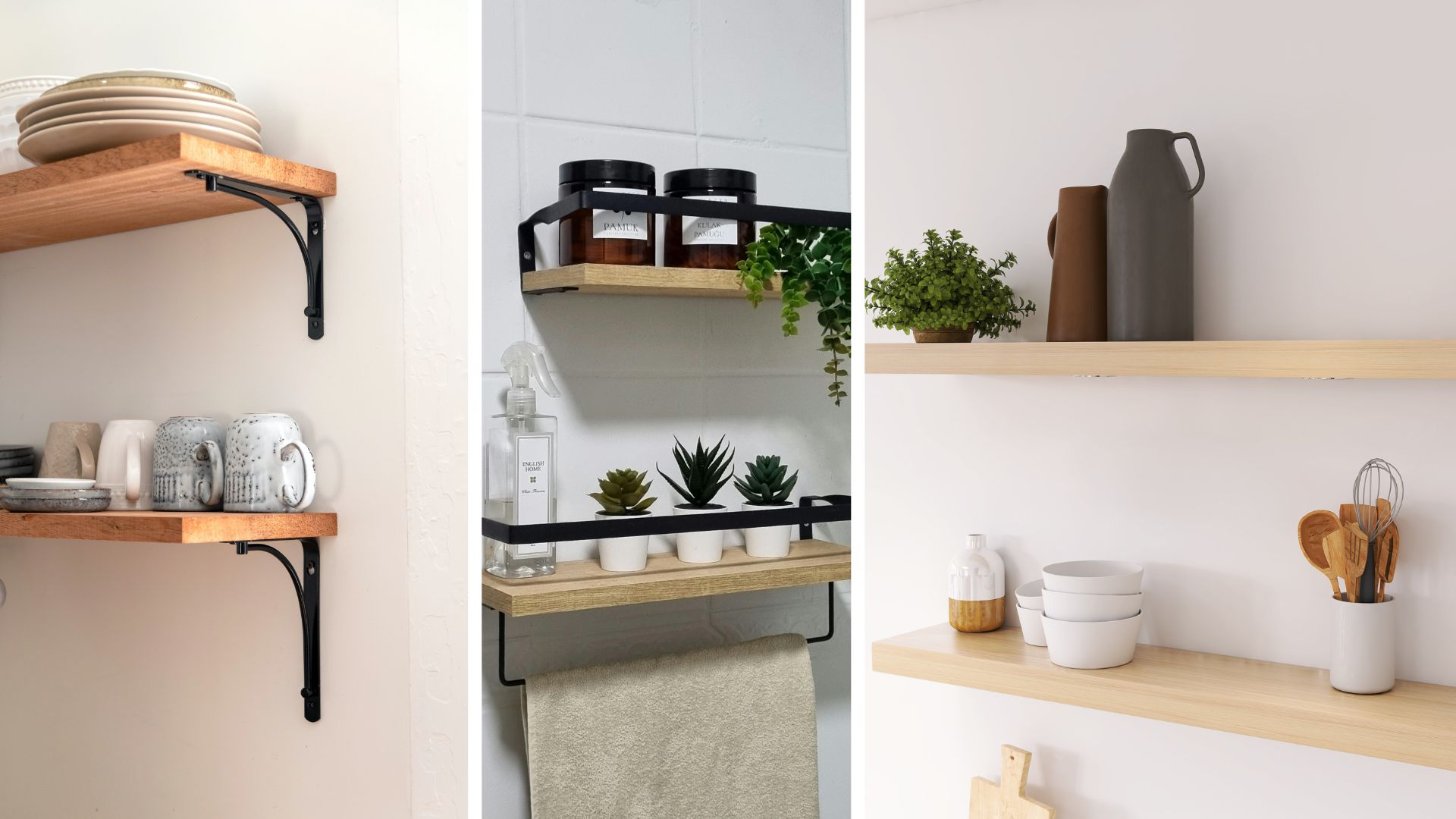
Follow these steps in order, and you’ll have clean, solid shelves up on your wall without second-guessing every move.
Step 1: Measure and Mark Shelf Placement
Getting your measurements right from the start saves a lot of trouble later.
- Use a measuring tape to mark the exact height and width of the shelf on the wall
- Draw a straight guideline using a level
- Hold a board against the wall first to visualize the placement before drilling anything
Step 2: Cut the Wood to Size
A clean cut makes the whole shelf look more finished and professional.
- Measure twice before making any cut
- Use a saw to cut the board to your desired length
- If buying from a hardware store, confirm dimensions match your wall space before cutting
Step 3: Sand and Finish the Wood
Always finish the wood before mounting. It’s far easier and cleaner that way.
- Start sanding with coarse-grit sandpaper, then move to fine-grit for a smooth surface
- Wipe off all dust with a dry cloth before applying any finish
- Apply your chosen stain, paint, or clear wood finish and let it dry fully
Step 4: Install the Hidden Brackets
This step determines how secure your shelf will be, so don’t rush it.
- Hold the bracket against your wall guideline and mark the screw hole positions
- Drill into studs wherever possible for the strongest hold
- Insert drywall anchors first if studs aren’t accessible, then screw in the bracket firmly
- Tug each bracket firmly once installed. It should feel completely solid.
Step 5: Drill Holes in the Shelf Board
This step applies specifically to rod-style hidden bracket systems.
- Mark the rod positions from the bracket onto the back of your shelf board
- Drill holes that match the rod diameter, snug but not too tight
- A proper fit here prevents wobbling once the shelf is mounted
Step 6: Mount the Shelf onto the Brackets
Take your time sliding the shelf into place. Patience pays off here.
- Carefully slide the shelf board onto the rods or over the wall-mounted frame
- Have someone hold the shelf steady while you check alignment on both sides
- Avoid forcing it. Rushing can scratch the wood or shift the bracket position.
Step 7: Secure and Level the Shelf
The final check before your shelf is ready to use.
- Place a level on top of the shelf and make any last adjustments
- Tighten any locking screws on the underside of the bracket system
- Press down firmly and push lightly from the front. The shelf should feel completely stable.
Video Tutorial
I’d like to acknowledge Bourbon Moth Woodworking for the insightful video, which was a key reference in putting this guide together.
Common Mistakes When Building DIY Floating Shelves
Even simple builds can go wrong fast. These are the mistakes worth knowing before you start.
1. Not Anchoring Into Studs
Drywall alone cannot support the weight of a loaded shelf. Skipping studs and relying only on drywall anchors is one of the most common reasons shelves fail.
Always locate studs first and anchor into them wherever your bracket placement allows.
2. Using Weak or Wrong Brackets
Not all brackets are rated for the same load. Decorative brackets sold at home décor stores often aren’t built for real weight.
Always check the weight rating of your hardware and match it to what you plan to store. When in doubt, size up.
3. Choosing the Wrong Shelf Thickness
A thin shelf on a long span will sag. Many beginners pick half-inch boards to save money, but they flex visibly under any real load.
Stick to three-quarter-inch minimum, and go thicker for shelves over two-and-a-half to three feet wide.
4. Incorrect Leveling During Installation
A shelf that looks slightly off will bother you every single day. Don’t eyeball it.
Always use a proper level during installation and check again after the shelf is mounted, since slight shifts can happen as you tighten screws.
Cost of DIY Floating Shelves
DIY floating shelves are among the more affordable home upgrades you can make. Costs vary depending on materials, size, and the number of shelves you’re building.
On average, a single DIY floating shelf costs between $20 and $80. Building multiple shelves at once lowers the per-shelf cost, since you can buy materials in bulk.
| Item | Estimated Cost |
|---|---|
| Wood board (per shelf) | $10 – $40 |
| Floating shelf brackets | $8 – $25 |
| Screws and wall anchors | $5 – $10 |
| Sandpaper and finish | $8 – $15 |
| Wood glue | $4 – $8 |
| Total per shelf (approx.) | $35 – $98 |
Solid hardwood costs more than pine or plywood, and decorative brackets run pricier than basic steel rods. Your wall type matters too, since masonry anchors cost more than standard drywall anchors.
Compared to store-bought options, DIY almost always wins on cost. A similar-looking shelf from a furniture retailer can run anywhere from $60 to $200+, and you still have to install it yourself.
Going the DIY route gives you full control over size, wood type, and finish for a fraction of the price.
Maintenance and Care for Floating Shelves
A little regular care keeps your floating shelves looking great and holding strong for years.
-
Cleaning wood shelves: Wipe down with a dry or lightly damp cloth. Avoid soaking the wood with water or using harsh sprays, which can strip the finish over time. For stubborn spots, a mild soap solution works fine. Just dry the surface right after.
-
Checking bracket stability over time: Every few months, give your shelves a gentle push and check if anything feels loose. Screws can work themselves slightly loose with regular use or seasonal wood movement. A quick tightening is usually all it takes.
-
Refinishing when needed: When the surface starts to look dull or feel rough, lightly sand and reapply your chosen finish. It refreshes the look and adds another layer of protection to the wood.
Conclusion
Building DIY floating shelves is one of the most rewarding weekend projects you can take on.
It’s simple, affordable, and the results speak for themselves: clean walls, smart storage, and a space that actually feels designed.
You don’t need to be a pro to pull this off. With the right tools, a solid plan, and a little patience, anyone can build shelves that look custom-made.
So pick your wall, choose your wood, and start building. Your space deserves the upgrade, and you’re more than capable of making it happen.
If you found this guide helpful, share it with someone who’s been putting off that shelf project a little too long. It might be exactly the nudge they need.