
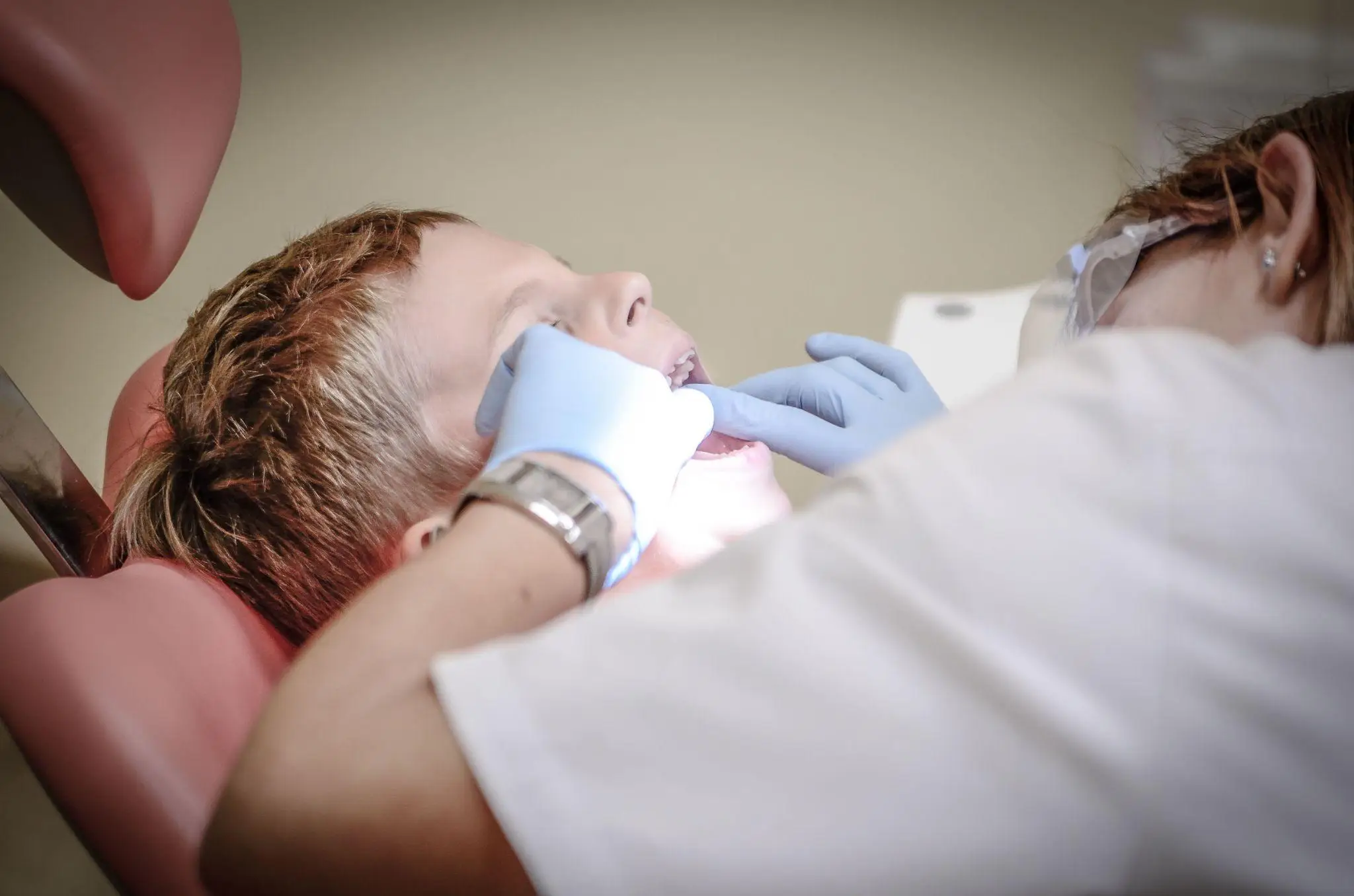
Finding the right dentist for any child takes research. Finding the right dentist for a child with special healthcare needs takes something more: patience, persistence, and a willingness to ask the questions most practices never think about.
Children with autism, sensory processing differences, developmental delays, or physical disabilities often experience dental visits differently than their peers. Bright lights, loud instruments, unfamiliar textures, and the expectation to sit still in a reclined chair can turn a routine cleaning into an overwhelming experience. For many families, the search for a provider who genuinely understands these challenges is one of the most stressful parts of managing their child’s health.
The good news is that the right provider is out there. Knowing what to look for makes all the difference.
Start With Specialty Training, Not Just a Friendly Smile
General dentists are trained to treat teeth. Pediatric dentists are trained to treat children. But not every pediatric dentist has experience or formal education in working with patients who have complex sensory, behavioral, or communication needs.
When searching for a special needs pediatric dentist, look beyond the friendly website photos. Ask specifically about the provider’s training. Board certified pediatric dentists complete additional residency training after dental school, and some pursue further certification in caring for patients with disabilities. This matters because it means the provider has studied evidence based approaches to behavior guidance, sensory adaptation, and individualized treatment planning.
The American Academy of Pediatric Dentistry publishes detailed guidance on behavior management strategies for children who need extra support during dental treatment. Reviewing these recommendations can help you understand what a well prepared practice should be doing.
Look for a Sensory Aware Environment
The physical environment of a dental office says a lot about how well a practice understands its patients. For children with sensory processing differences, the waiting room alone can determine whether the visit goes well.
Look for offices with calming decor, low or adjustable lighting, and minimal background noise. Ask whether the child can wear headphones, whether the dental chair can be adjusted, and whether the team walks the child through each step before doing anything. These details reflect a practice that adapts to the patient rather than expecting the patient to adapt to them.
Ask the Right Questions Before Booking
A quick phone call before scheduling can save families a lot of stress. A few questions worth asking:
- Does the dentist have experience treating children with my child’s specific needs?
- Is the team trained in sensory friendly techniques?
- Can we schedule a pre visit tour so my child can see the office first?
- How does the practice handle a child who becomes overwhelmed?
- Are sedation options available if standard comfort measures are not enough?
A practice that welcomes these questions, rather than brushing them off, is one that has built its care around children who need more support.
Involve Your Child’s Care Team
Your child’s pediatrician, occupational therapist, or behavioral specialist can be a valuable partner in the search. They may have recommendations based on other families they work with. If your child benefits from visual schedules or social stories, organizations like Autism Speaks offer a downloadable dental toolkit that walks families through the process step by step. Starting dental visits early also builds familiarity over time. An article on why visiting a pediatric dentist early protects your child’s smile explores the long term benefits of getting that first appointment on the calendar.
What to Expect at the First Visit
The first appointment at a special needs friendly practice should feel nothing like the dental visits you may be dreading. Many offices offer a “get to know you” visit where the child can explore the space, meet the team, and sit in the chair without any treatment happening at all.
The dentist should spend time talking with you about your child’s history, triggers, and communication preferences. Some children respond well to a tell, show, do approach where every instrument is introduced slowly. Others need shorter visits with frequent breaks. A good provider will follow your child’s lead and adjust the pace in real time.
How to Prepare Your Child at Home
Preparation at home can make a meaningful difference. Practice opening wide in front of a mirror. Read a children’s book about visiting the dentist. Use a calm, positive tone when talking about the appointment, and avoid phrases like “it won’t hurt” that can unintentionally introduce fear.
If your child uses a visual schedule, add the dental visit to the routine a few days ahead. Pack a comfort item for the car ride. And remember that some children will need more than one visit before they are ready for a full exam, and that is completely normal.

Trust Your Instincts
You know your child better than anyone. If a practice feels rushed or dismissive, that is real information. The right dentist will welcome your child’s needs, ask you questions, and treat you as a partner. For example, Sparkling Charms Dental Studio, a pediatric dentist in Baltimore city, provides a sensory aware environment and a team trained to adapt every visit to the individual child.
No matter where you live, the search for a dentist who truly understands your child is worth the effort. Start with the questions in this guide, trust your instincts, and know that the right fit is out there.
