
As another severe storm bears down on your neighborhood, the familiar anxiety sets in – will the power hold this time? With extreme weather events becoming more frequent and our electrical grid showing its age, power outages are no longer just an inconvenience but a serious concern for homeowners.
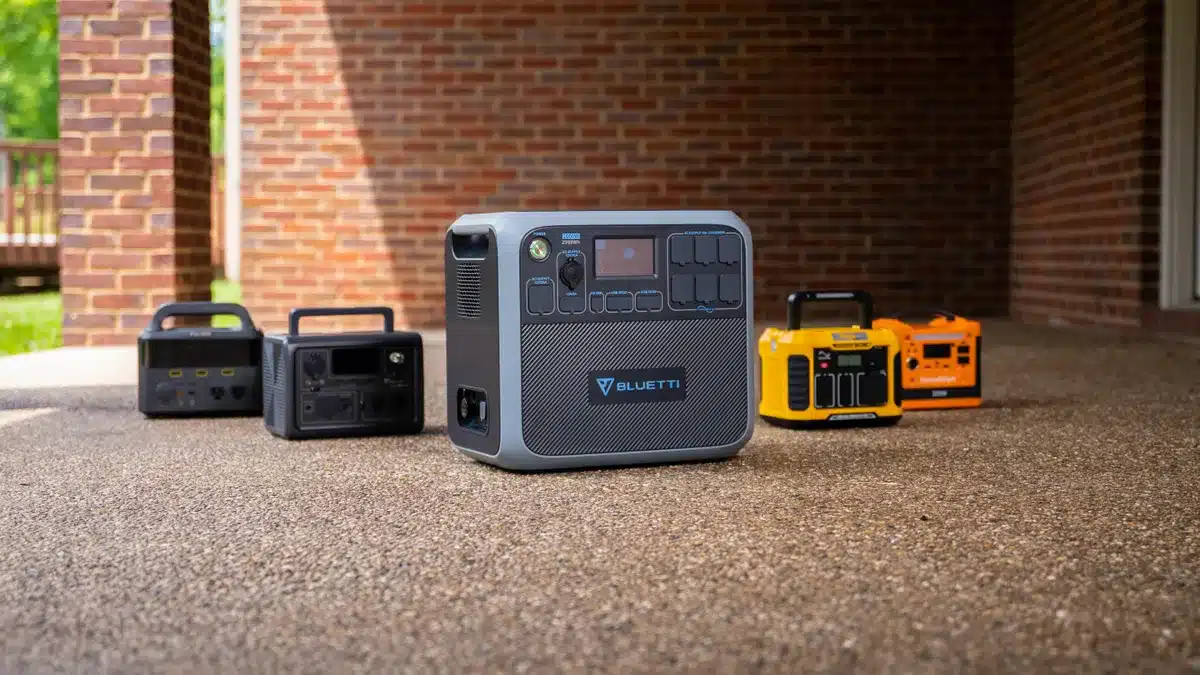
While traditional backup solutions like generators have served us well, today’s technology offers a compelling alternative: portable power stations. These innovative devices combine high-capacity batteries with smart features to deliver reliable backup power without the noise, fumes, and maintenance headaches of conventional generators.
But can they really protect your home when the grid goes down? As we explore the evolving landscape of home backup power solutions, we’ll examine how portable power stations stack up against traditional options and help you determine if they’re the right choice for your home’s energy security needs.
The Growing Need for Reliable Home Backup Power
Recent data from the U.S. Department of Energy reveals a disturbing trend: major power outages have increased by over 60% in the past decade. While brief outages lasting minutes might be manageable, extended blackouts now regularly stretch for days, leaving households vulnerable to significant disruptions.
Beyond mere inconvenience, power failures threaten food storage, medical equipment operation, remote work capabilities, and climate control systems that keep homes habitable during extreme weather.
The financial impact of power outages extends far beyond spoiled groceries. Business professionals working from home can lose thousands in productivity, while homeowners face potential damage from frozen pipes in winter or flooding from inoperable sump pumps. Climate scientists project that grid instability will worsen as extreme weather events become more frequent and intense, with some regions facing a 50% increase in outage risks by 2050.
Modern homes require reliable power for essential systems like security cameras, internet connectivity, and smart home devices. Even brief interruptions can compromise home safety and disrupt critical communications. This new reality has transformed backup power from a luxury into a necessity for protecting both property value and family wellbeing.
As our dependence on electricity grows alongside mounting grid vulnerabilities, having a robust backup power strategy has become a fundamental aspect of responsible homeownership.
Traditional Backup Solutions vs. Portable Power Stations
Gas Generators: Pros and Limitations
Traditional gas generators have long been the go-to solution for home backup power, offering substantial output capacity to run major appliances. However, their drawbacks are significant. These units produce noise levels comparable to lawn mowers, making them disruptive to both users and neighbors.
Fuel storage presents safety hazards and logistical challenges, especially during extended outages when gas stations may be closed. Regular maintenance requirements include oil changes, filter replacements, and engine testing to ensure reliability. Most critically, gas generators pose potentially lethal carbon monoxide risks, requiring careful outdoor placement and monitoring.
Solar Generators and Whole-House Systems
Whole-house solar systems offer comprehensive coverage but come with considerable complexity. Professional installation typically requires permits, utility approvals, and substantial modifications to your home’s electrical system. Initial costs often exceed $15,000, though tax incentives can help offset this investment.
Grid-tied systems usually shut down during outages unless specifically designed for backup functionality, requiring additional components. Roof space and orientation requirements can limit installation options, while HOA restrictions may pose additional hurdles.

Why Portable Power Stations Shine
Modern portable power stations address these limitations with clean, silent operation that’s safe for indoor use. Their plug-and-play nature eliminates installation requirements, allowing immediate deployment wherever power is needed. Leading manufacturers like EcoFlow have revolutionized the industry with smart features that maximize efficiency and user convenience.
Beyond emergency backup, these versatile units serve multiple purposes – from camping trips to outdoor events and job sites. This flexibility maximizes the value of your investment while providing peace of mind during emergencies.
Critical Features for Home Backup Power Stations
Capacity and Power Output Essentials
Understanding power station capacity starts with watt-hour (Wh) ratings, which indicate how long the unit can sustain power delivery. For home backup, look for stations offering at least 2000Wh to power essential appliances. More critical is the power output, measured in watts (W), which determines which devices you can run simultaneously.
Modern power stations should deliver at least 2000W continuous power with surge capabilities reaching 4000W or higher to handle motor-driven appliances like refrigerators and air conditioners that require significant startup power. This surge handling ability prevents overload shutdowns when multiple devices power on simultaneously.

Charging Options and Speed
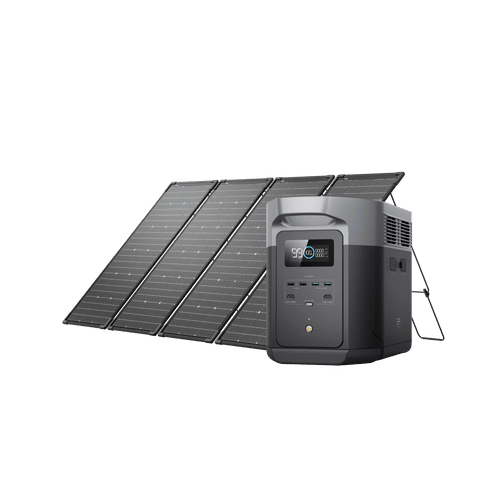
Versatile charging capabilities ensure your power station remains ready for emergencies. Standard AC wall charging should fully replenish the battery within 2-3 hours using enhanced fast-charging technology. Solar charging compatibility with MPPT controllers maximizes renewable energy collection, typically accepting 800W or more of solar input.
Vehicle charging through 12V outlets provides crucial mobility during evacuations. The most advanced units feature dual-charging technology, combining multiple input sources to achieve complete recharge in under two hours – essential for areas facing recurring outages where grid power availability may be limited.
Expandability and Battery Tech
Leading power stations employ lithium iron phosphate (LiFePO4) batteries, offering superior safety and longevity with 3500+ charge cycles – five times longer than traditional lithium-ion batteries. Expandable capacity through additional battery modules enables customization to meet varying backup requirements.
Smart battery management systems monitor cell health, temperature, and charging status while preventing overcharging and short circuits. This technology ensures reliable performance throughout the unit’s extended lifespan, typically warranted for five years or more.
Implementing Your Home Backup Solution
Step 1: Calculating Your Power Requirements
Start by listing essential devices you’ll need during an outage. Common appliances like refrigerators typically require 700W running power but need 2100W surge power for startup. HVAC systems demand 3500W or more, while critical medical equipment might need constant 200-400W supply. Create a priority matrix by categorizing devices into must-run versus convenience items. For accurate calculations, check each appliance’s power label or use a wattage meter to measure actual consumption under normal operation.
Step 2: Installation and Maintenance
Position your power station in a cool, dry area with good ventilation, ideally near your home’s critical circuits. While portable stations don’t require permanent installation, consider a transfer switch for seamless switching between grid and backup power. Keep charging cables organized and easily accessible. Store the unit at 50-80% charge when not in use, performing a full charge cycle every three months to maintain battery health.
Step 3: Emergency Power Protocols
Develop a clear emergency response plan that all family members understand. When outages occur, first connect essential medical devices and refrigeration. Use energy-saving modes on appliances to extend backup duration. Monitor battery levels through the system’s app or display, planning device usage accordingly. Schedule quarterly test runs of your backup system, including checking all cables and connections for wear. Document runtime performance to refine your power management strategy.

Securing Your Home’s Energy Future
The evolution of home backup power has brought us to a pivotal moment where portable power stations offer unprecedented flexibility and reliability. Unlike traditional generators that demand constant maintenance and fuel management, these modern solutions provide instant, clean power exactly when and where you need it.
Their silent operation, zero emissions, and smart features make them particularly well-suited for today’s connected homes. While no single solution fits every situation, portable power stations excel in providing scalable, user-friendly backup power that grows with your needs. Their dual role as both emergency backup and versatile power source for outdoor activities delivers exceptional value.
As extreme weather events and grid instability continue to threaten our power supply, the investment in a portable power station represents not just emergency preparedness, but peace of mind for your family’s comfort and safety. Take time to assess your specific power needs, considering both essential and quality-of-life requirements, to determine if a portable power station is the right choice for your home’s energy security.
