
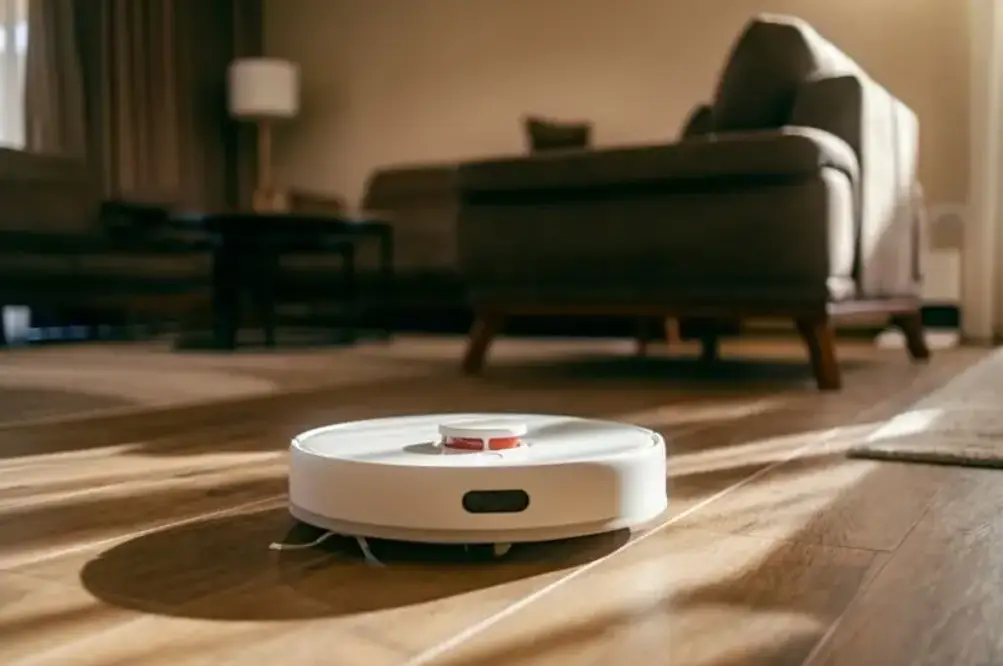
Modern households are constantly searching for practical solutions that simplify everyday chores. One of the most significant advancements in home cleaning technology is the development of robot vacuums. These innovative devices help homeowners maintain cleaner floors with minimal effort, making them a popular choice for busy families and professionals.
Over the years, robot vacuums have evolved from simple automated cleaners into sophisticated machines equipped with intelligent navigation, powerful suction, and customizable cleaning features. Their ability to operate independently has transformed the way many people approach household cleaning.
How Robot Vacuums Work?
Unlike traditional vacuum cleaners that require manual operation, robot vacuums are designed to clean floors automatically. Using a combination of sensors, cameras, and advanced software, these devices move around the home while detecting obstacles, furniture, and room boundaries.
Many modern models can create digital maps of the home, allowing them to clean systematically rather than moving randomly. This intelligent navigation ensures better coverage and improved cleaning efficiency. By analyzing their surroundings in real time, robot vacuums can avoid collisions and safely navigate around furniture and other household objects.
Powerful Cleaning Performance
A common misconception is that robot vacuums are less effective than traditional vacuum cleaners. However, recent technological advancements have significantly improved their cleaning capabilities. Many modern units feature strong suction systems that can effectively remove dust, dirt, crumbs, and pet hair from a variety of floor surfaces.
Advanced brush designs further enhance performance by loosening debris and directing it toward the suction inlet. Some models automatically adjust their cleaning power based on the type of flooring, increasing suction on carpets while maintaining energy efficiency on hard surfaces.
Smart Mapping and Navigation
One of the most impressive features of today’s robot vacuums is their ability to map indoor spaces. Smart mapping technology enables users to view floor plans through mobile applications and customize cleaning routines according to their needs.
Homeowners can select specific rooms, establish cleaning schedules, and designate areas that should be avoided. This level of control allows for a more personalized cleaning experience. Advanced navigation systems also help the device move efficiently through different rooms while minimizing missed spots and repeated passes.
Convenience for Busy Lifestyles
Convenience is one of the primary reasons people invest in robot vacuums. These devices can perform regular cleaning sessions without requiring constant supervision. Users can schedule cleaning cycles throughout the day, allowing floors to remain consistently clean even when no one is home.
Many robot vacuums can be controlled remotely through smartphone applications. Whether at work, traveling, or simply relaxing in another room, users can start or stop cleaning sessions with a few taps on their devices. This flexibility makes routine home maintenance easier and less time-consuming.
Excellent for Pet Owners
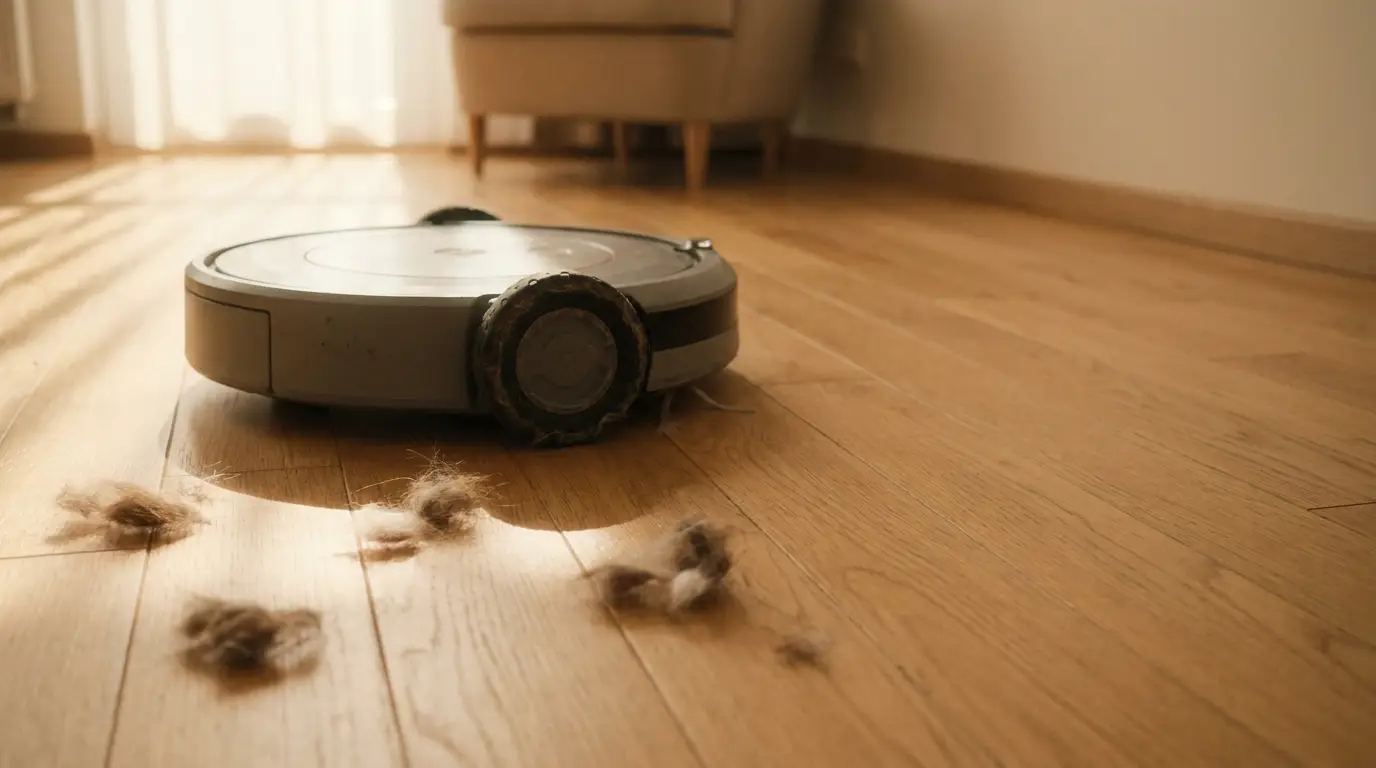
Pet owners often face the challenge of managing shedding hair, dander, and tracked-in dirt. Robot vacuums provide an effective solution by performing frequent cleaning sessions that prevent debris from accumulating on floors and carpets.
Many models are specifically designed to handle pet hair and feature brush systems that resist tangling. Regular automated cleaning can help maintain a cleaner living environment while reducing the effort required to manage pet-related messes. This makes robot vacuums especially valuable in households with dogs, cats, or other furry companions.
Advanced Filtration for Cleaner Air
Floor cleanliness is important, but indoor air quality also plays a major role in creating a healthy home environment. Many robot vacuums include advanced filtration systems that capture fine dust particles, allergens, and pet dander during the cleaning process.
These filtration systems help prevent microscopic particles from being released back into the air. As a result, households may experience improved air quality, which can be particularly beneficial for individuals with allergies or respiratory sensitivities.
Cleaning Hard-to-Reach Areas
Traditional vacuum cleaners often struggle to access tight spaces beneath furniture. Robot vacuums are specifically designed with low-profile bodies that allow them to clean under beds, sofas, cabinets, and other hard-to-reach locations.
Their compact size enables them to remove dust and debris from areas that are frequently overlooked during routine cleaning. Many models also include specialized edge-cleaning features that help clean along walls and corners where dirt commonly accumulates.
The Future of Robot Vacuums
The future of robot vacuums looks increasingly promising as artificial intelligence and automation technologies continue to advance. New generations of devices are becoming more capable of understanding their environment, recognizing obstacles, and adapting their cleaning patterns automatically.
Future developments may include enhanced object recognition, improved battery efficiency, and even more personalized cleaning routines. As these technologies mature, robot vacuums are expected to become an even more integral part of modern households.
Conclusion
Robot vacuums have become a valuable addition to modern home cleaning routines. Their combination of intelligent navigation, automated operation, powerful cleaning performance, and user-friendly controls makes them an attractive option for a wide range of households. Whether managing pet hair, maintaining daily cleanliness, or simply reducing the time spent on chores, robot vacuums offer a practical and efficient solution that aligns with today’s fast-paced lifestyles.
