Toddler mornings don’t have to feel like a triathlon. With a few tiny, repeatable habits, your 2–3 year-old can do more on their own—and you can get out the door with fewer tears. Think of this as a toolkit you can set up over a weekend, then let run on autopilot.
Why independence helps (and calms the chaos)
At this age, toddlers crave control but tire easily. They’re learning routines, building motor skills, and experimenting with “no”. When we hand over small, predictable jobs and simple choices, mornings move from standoffs to flow. The secret is chunking the big task (“Get ready for nursery!”) into micro-routines they can see, touch, and practise. Independence isn’t doing everything alone; it’s doing one more thing than yesterday—reliably.
Habit 1: The “getting-ready lane”
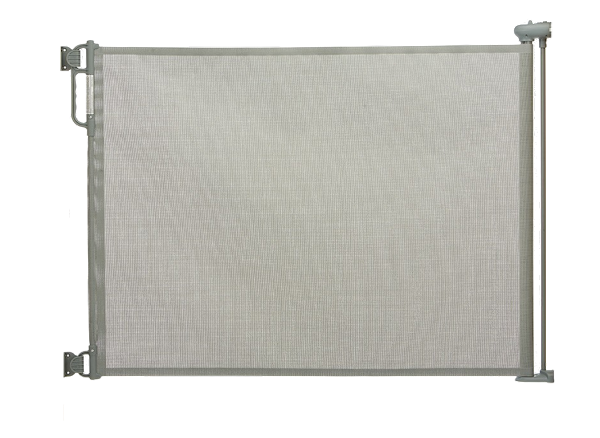
Create a defined strip of floor where everything morning-related lives: clothes, shoes, bag, hairbrush, sun cream. If your home is open-plan, contain this lane so it stays calm and distraction-free—a retractable gate works brilliantly between the hallway and living room so essentials stay in reach and siblings/pets stay out (link once:
How to set it up
- One low hook for the bag, one shallow basket for shoes.
- A small tray for hairbrush, sun cream and tissues.
- A picture card sequence (dress → toilet → shoes → bag → door).
Why it works: Toddlers love “visible homes” for things. When everything has a parking spot, tidying becomes matching rather than a battle.
Phrase to use: “Everything you need is in your lane.”
No-gate alternatives: painter’s tape to mark the lane; a low bookcase turned sideways as a barrier; a folding screen. The boundary is the cue, not the gadget.
Habit 2: The two-choice dressing rail
Decision fatigue is real—especially at 7 a.m. Pre-select two outfits the night before and hang them low on a mini rail or over-door hooks.
Make it easy
- Pick elastic waists, wide necks, and Velcro where possible.
- Add a picture label inside drawers (tops, bottoms, socks) so they can help put things away too.
- Use a “dressing mat”—a small rug where they sit, so the habit has a physical spot.
Why it works: Toddlers feel in control while you quietly control the weather-appropriate options.
Phrase to use: “Would you like the blue outfit or the stripy one?”
If they refuse both: Offer a micro-choice inside the choice: “Blue top with stripy leggings or stripy top with blue leggings?”
Habit 3: Shoes & bag “launchpad”
Near the front door, place a small mat or taped square. Shoes live on the mat; the bag hangs directly above. If your child loves stickers, pop a small photo of them on the shoe basket and bag hook.
Speed tip: Keep a spare pair of socks and a hair tie in the bag—two items that mysteriously disappear at go-time.
Why it works: The launchpad removes scavenger hunts. Your child practises returning things to their home every evening, not just finding them at 8:29.
Habit 4: A visible timer (or playlist)
Toddlers understand time best when they can see or hear it. Try:
- A sand timer for “get dressed before the sand runs out”.
- A two-song morning playlist: Song 1 = dress, Song 2 = shoes.
- A kitchen timer with a friendly “beep-beep”, not a buzzer.
If timers cause anxiety: Switch to music. Songs feel like a game rather than a countdown.
Phrase to use: “When the song ends, we’re at the door.”
Habit 5: A 10-minute movement ritual
Many meltdowns are just unspent energy. If you can, build in a quick pre-car burst—marching to the corner, a scooter loop, or a gentle roll on a balance bike. Even five to ten minutes helps regulate their body before the car seat buckle. A balance-first approach is confidence-building at this age.
Safety basics
- Helmet every time.
- Flat route, away from driveways and traffic.
- Keep it short and predictable so you still leave on time.
Why it works: Movement is like a pressure valve. A tiny routine outside can prevent big feelings inside the car.
Habit 6: A “helper job” they own
Give your toddler one consistent job each morning so they feel vital to the mission:
- Carry the snack box from the fridge to the bag.
- Put their water bottle on the car floor behind your seat.
- Hand you your keys only when you’re ready to lock the door.
- Place their comforter/teddy in the bag’s front pocket.
Phrase to use: “We can’t go without your job.”
Why it works: Toddlers who feel useful are more cooperative. The job is the bridge from play to purpose.
Habit 7: The 5-minute evening reset
Mornings start smoother the night before. After bath or story:
- Lay out two outfits on the rail.
- Refill the wipes pouch and pop it in the bag.
- Park shoes on the launchpad and hang the bag.
- Glance at tomorrow’s weather and adjust the two choices.
Tiny rule: If it takes less than a minute, do it now.
Sample morning timelines (pick your flavour)
The 20-minute dash
- Wake & cuddle (2 mins)
- Dress on the mat (5 mins)
- Toilet/teeth (4 mins)
- Shoes on the launchpad (3 mins)
- Two-song playlist tidy & bag check (3 mins)
- Door and go (3 mins)
The 40-minute calm start
- Wake & snuggle read (5 mins)
- Dress with sand timer (7 mins)
- Breakfast (10 mins)
- Toilet/teeth (5 mins)
- 8-minute movement ritual outside (8 mins)
- Shoes, bag, goodbye routine (5 mins)
Pro tip: Anchor the sequence to consistent “markers” (after breakfast → dress; after Song 2 → shoes). Toddlers remember sequences better than floating tasks.
Scripts for tricky transitions
- Getting dressed: “First shirt, then you choose the socks.”
- Leaving toys: “We’re saying bye to toys. They’ll wait for you.”
- Into the car: “Your body did big work. Now it’s calm-seat time.”
- Separation wobble: “You’re safe. I’ll be back after afternoon snack.”
- Refusing the bathroom: “We’ll try for one minute. When the sand is gone, we’re done.”
Why scripts matter: When you’re tired, words are hard. A small set of ready phrases keeps tone warm and boundaries clear.
Troubleshooting (because real life)
They dress then undress for fun
Make the dressing mat the boundary: once they stand up, a song starts and we go to shoes. Offer a “fidget” at the door (a zip-pouch with a soft toy) so hands stay busy.
Shoes vanish daily
Add a brightly coloured elastic tag to clip shoes together on the launchpad hook each night. Or keep one pair that lives permanently by the door just for nursery mornings.
They melt down at “time to go”
Use a “when/then” bridge before the trigger: “When the song ends, then shoes.” If you forgot the bridge and the wobble begins, narrate calmly: “Your body is saying ‘I’m not ready’. Let’s blow butterfly breaths together—five, then shoes.”
Timers trigger panic
Swap to the two-song playlist or a visual chart. Some toddlers experience countdowns as loss of control. Music and pictures give structure without pressure.
Morning wobbles after illness or holidays
Dial routines back to the smallest steps. Rehearse the sequence on a non-nursery day when it’s low stakes. Celebrate micro-wins (“You put socks on your toes—teamwork!”).
They insist on carrying everything
Give a tiny backpack “permission slip”: they carry the comforter; you carry the food and water. If they struggle, narrate the limit: “That’s heavy for your body. My job is to carry the big things.”
Evening micro-habits that supercharge mornings
- Five items back to homes: shoes on the mat, bag on hook, brush on tray, timer on shelf, outfit on rail.
- One minute of “tomorrow talk”: “After breakfast: dress. After song: shoes. After shoes: car.”
- Snack station check: fill bottle, prep snack box, put in fridge corner labelled “Nursery”.
- Weather glance: swap one outfit if needed; pop a raincoat on the hook if showers are forecast.
Why it works: Evenings are calmer. You’re doing tomorrow’s problem-solving with a rested brain.
For twins, siblings, and shared spaces
- Colour-code launchpads: different coloured mats or tags per child.
- Stagger choices: one chooses clothes first, the other chooses the leaving-song.
- Shared gate etiquette: if younger siblings or pets push boundaries, the getting-ready lane becomes the “calm lane”—everyone else stays out until the playlist ends.
- Team job: one child’s helper job is “check teddy is in the bag”; the other’s is “place water bottle in the car”. Cooperation is a habit too.
For renters & small spaces
- Over-door hooks instead of drilling.
- Soft baskets under a bench for shoes and bag.
- Painter’s tape to mark the lane; it peels off cleanly.
- A fold-flat mini rail or a single command hook for two hangers.
- A collapsible stool as the dressing mat if the floor is too cold.
Seasonal tweaks
Winter: add a “warmth station” (hat, mittens, scarf in one basket). Pre-warm the car if possible. Add five minutes to your leaving buffer for layers.
Summer: sun cream lives in the getting-ready tray. Teach a simple routine: “dot-dot-dot, rub-rub-rub” for arms and cheeks while you do the tricky bits.
Rain: keep a rolled-up packable rain suit on the launchpad hook. Practise stepping into it at playtime so it’s not brand new at 8:20.
For neurodiverse children (and just sensitive mornings)
- Use first/then boards with photos (“First dress, then choose sticker”).
- Keep textures predictable (no surprise labels, itchy seams).
- Reduce visual clutter in the lane—fewer items visible = fewer distractors.
- Offer a consistent sensory “start button”: three wall pushes, two deep breaths, then dressing begins.
Quick-start checklist
- Set up the getting-ready lane (use a simple barrier if needed).
- Two outfits on a low rail each evening.
- Shoes & bag launchpad by the door.
- Sand timer or two-song playlist.
- 5–10 minutes of movement before buckles.
- One proud “helper job”.
- 5-minute evening reset.
What to do on the “nothing works” days
Some mornings, your child will be furious with socks, gravity, and the concept of nursery. On those days, shrink the goal to one step: “We will get dressed together. Everything else is bonus.” Keep your tone soft and your boundaries firm. If tears come, hold the connection: “You’re safe. I’m here.” Then return to the next micro-step. Consistency beats perfection.
The handover: leaving well
Create a goodbye ritual you repeat every day—three kisses on the palm, a wave at the window, or a secret handshake. Consistency at the point of separation helps both of you regulate. If your child struggles, ask nursery staff to join the ritual so the handover is a bridge, not a cliff.
Final thought
Independence at two and three isn’t about rushing childhood; it’s about giving tiny, sturdy steps they can climb every day. Build these habits once, then let the routine carry you on the foggy mornings when no one can find a sock. Less scramble, more smiles—and a child who beams, “I did it!” as you reach the door.