

Red light therapy has become an increasingly popular non-invasive wellness treatment, offering a wide range of potential health benefits. For those looking for reliable options, medical grade red light therapy devices in Australia provide advanced solutions designed to deliver effective and safe results. This article explores the science behind red light therapy, its proven benefits, and practical considerations for using devices such as the red light therapy bed at home.
Whether you are new to this therapy or curious about its applications, understanding how red light interacts with the body can help you make informed decisions. By the end, you’ll have a clearer picture of what red light therapy is, how it works, and whether it might be a valuable addition to your wellness routine.
What Is Red Light Therapy and How Does It Work?
Red light therapy uses specific wavelengths of red and near-infrared light to stimulate cellular function. These wavelengths penetrate the skin and are absorbed by mitochondria, the energy-producing parts of cells. This process encourages the production of adenosine triphosphate (ATP), which fuels cellular repair and regeneration.
The therapy typically involves exposure to light in the range of 600 to 900 nanometers. Infrared light therapy, a closely related method, uses wavelengths slightly beyond visible red light and is known for deeper tissue penetration.
When cells receive this light energy, several biological effects can occur, including increased blood flow, reduced inflammation, and enhanced collagen production. These cellular responses contribute to the healing and rejuvenating effects attributed to red light therapy.
What Are the Proven Benefits of Red Light Therapy?
Scientific research has highlighted several key benefits of red light therapy:
- Pain Relief and Inflammation Reduction: Studies show red light therapy can reduce joint and muscle pain, making it useful for conditions such as arthritis and sports injuries. It works by calming inflammation and promoting tissue repair.
- Skin Health: Red light stimulates collagen production, which can reduce wrinkles, improve skin texture, and support wound healing.
- Muscle Recovery: Athletes use red light therapy to accelerate recovery after intense workouts, as it helps reduce muscle fatigue and soreness.
- Improved Circulation: The therapy can enhance blood flow, which supports overall tissue health and healing.
A growing body of research supports these effects. For example, a 2017 study published in Photomedicine and Laser Surgery found that red light therapy significantly reduced chronic pain in patients with musculoskeletal disorders.
Understanding Medical Grade Red Light Therapy Devices vs Consumer Devices
When exploring red light therapy options, the term medical grade often arises. But what does this mean?
Medical grade red light therapy devices typically meet stricter regulatory standards for safety and effectiveness. They offer higher irradiance levels (intensity of light), precise wavelength control, and durable build quality. This ensures the therapy delivers sufficient light energy to produce real biological effects.
In contrast, many consumer-grade devices may have lower irradiance and inconsistent wavelengths, which can limit their effectiveness. Medical grade devices often come with certifications and clinical data to back their claims.
Choosing a medical grade device ensures you are investing in a tool designed for consistent therapeutic results, whether you are targeting pain relief, skin health, or full-body wellness.
The Role of Red Light Therapy Beds in Full Body Treatment
A red light therapy bed is designed to expose the entire body to red and near-infrared light simultaneously. Unlike smaller handheld panels or masks, therapy beds provide comprehensive coverage, allowing for full-body treatment sessions.
This approach is beneficial for those seeking systemic effects, such as improved circulation or overall recovery support. Session times typically range from 10 to 20 minutes, depending on the device’s power and treatment goals.
Using a red light therapy bed at home offers convenience and the ability to integrate therapy into your routine. However, it’s important to follow manufacturer guidelines to avoid overexposure and ensure safety.
What Should You Consider When Choosing a Red Light Therapy Device?
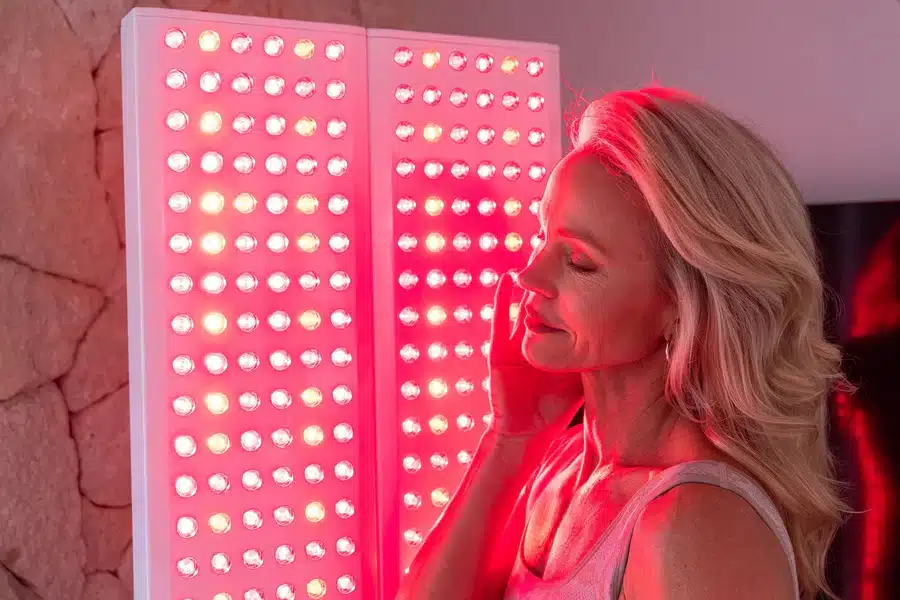
Selecting the right device depends on several factors:
- Wavelength and Irradiance: Look for devices emitting red light between 630-660nm and near-infrared between 810-850nm with sufficient irradiance to be effective.
- Treatment Area: Decide if you need targeted treatment or full-body exposure.
- Certification: Opt for medical grade devices with clinical backing or regulatory approval.
- Ease of Use: Consider how comfortable and convenient the device is to use regularly.
- Safety: Follow instructions carefully, especially with more powerful devices, to prevent skin irritation or eye damage.
Are There Any Risks or Side Effects?
Red light therapy is generally considered safe with minimal side effects. Mild temporary redness or irritation can occur in sensitive individuals. It is advisable to avoid looking directly at the light source and to consult a healthcare professional if you have photosensitive conditions or are taking medications that increase light sensitivity.
Practical Tips for Maximizing the Benefits of Red Light Therapy
To get the most out of your red light therapy sessions, consistency is key. Regular use according to recommended session lengths and frequency tends to produce the best results. Starting with shorter sessions and gradually increasing time can help your body adjust.
Additionally, maintaining proper distance from the light source and ensuring skin exposure (without clothing blocking the light) improves treatment effectiveness. Combining red light therapy with other healthy lifestyle habits—such as good hydration, nutrition, and rest—can enhance overall outcomes.
The Future of Red Light Therapy and Emerging Applications
Red light therapy continues to evolve as research uncovers new applications. Beyond traditional uses for pain and skin, studies are investigating benefits for mental health, including mood improvement and better sleep quality. There is also growing interest in its potential role in neurological conditions and immune support.
As technology advances, more sophisticated devices with optimized wavelengths and treatment protocols are expected, making red light therapy more accessible and tailored to individual needs.
Conclusion: Is Red Light Therapy Right for You?
Red light therapy presents a promising option for those seeking a natural, non-invasive way to support pain relief, skin health, and recovery. Understanding the science and choosing the right equipment, such as medical grade red light therapy devices Australia or a red light therapy bed, can maximize benefits and safety.
As research continues to evolve, red light therapy remains an accessible and adaptable wellness tool worth considering. Could this be the missing piece in your health and recovery routine?
