
A train from Milan to Rome pulls out of the station at the exact minute printed on the ticket, not a minute later. Missing it because of a slow espresso means waiting hours for the next available seat.
Small details like this separate a trip that flows from one that turns into a series of scrambles, and most of what makes Italy easy to travel through has nothing to do with luck.
Validate Every Regional Train Ticket Before Boarding
Regional and some intercity train tickets in Italy aren’t automatically tied to a specific departure time until you validate them at the small green or white machines on the platform.
Skipping this step is one of the most common mistakes visitors make, and conductors do check. The fine can run well over 50 euros, charged on the spot, even if the oversight was genuine.
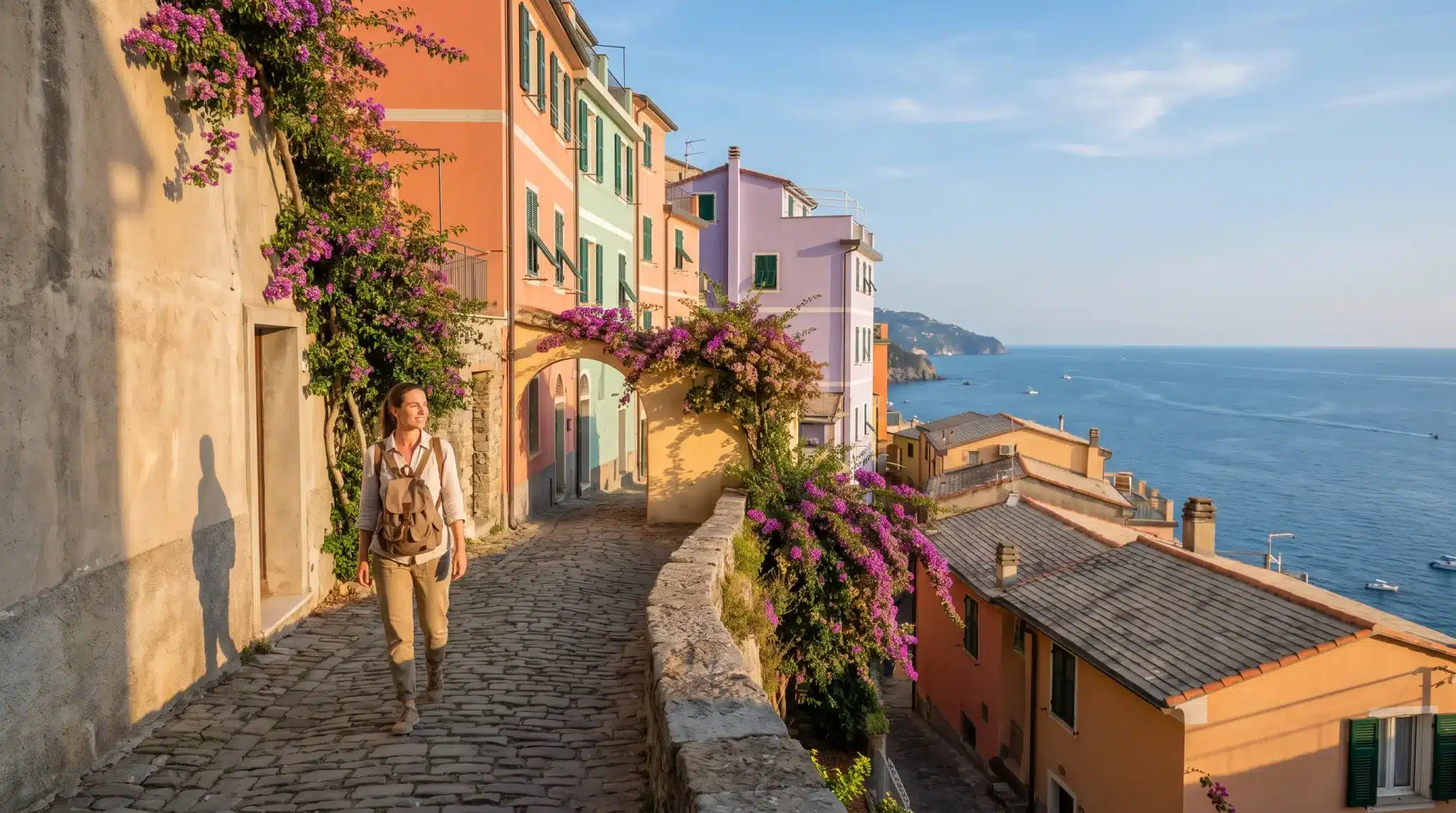
High-speed trains booked with an assigned seat, like Frecciarossa or Italo, don’t need validation since the ticket already specifies date and time. But regional trains, the ones connecting smaller towns or coastal stops like the Cinque Terre villages, absolutely do. When in doubt, validate. It takes three seconds and costs nothing.
Eat on the Italian Clock, Not Your Home Clock
Restaurants in Italy generally serve lunch from around 12:30 to 2:30 and dinner starting at 7:30 or later, with many kitchens closing entirely in between. Showing up at 4 p.m. expecting a hot meal often means finding shuttered doors or a menu limited to panini. Bars stay open for coffee and snacks throughout the afternoon, but a proper sit-down meal follows its own schedule.
Adjusting to this rhythm early prevents a lot of frustration, especially in smaller towns where options are limited to begin with. Cities like Rome and Milan have more flexibility with all-day dining near major attractions, but even there, the best local spots tend to follow tradition.
Carry Small Bills and Coins
Many smaller businesses, especially in southern Italy or rural areas, are reluctant to break large bills or may not accept cards at all despite signage suggesting otherwise. A gelato costing 3 euros paid with a 50 euro note can genuinely stump a vendor during a slow morning. Keeping a stock of 5s, 10s, and coins solves this before it becomes an issue.
ATMs, called Bancomat, are common and reliable, but withdrawing larger amounts and breaking them at a supermarket or larger store helps keep smaller transactions smooth. Public restrooms, some churches, and local markets often expect exact change as well.
Book Major Sites in Advance, Even Outside Peak Season
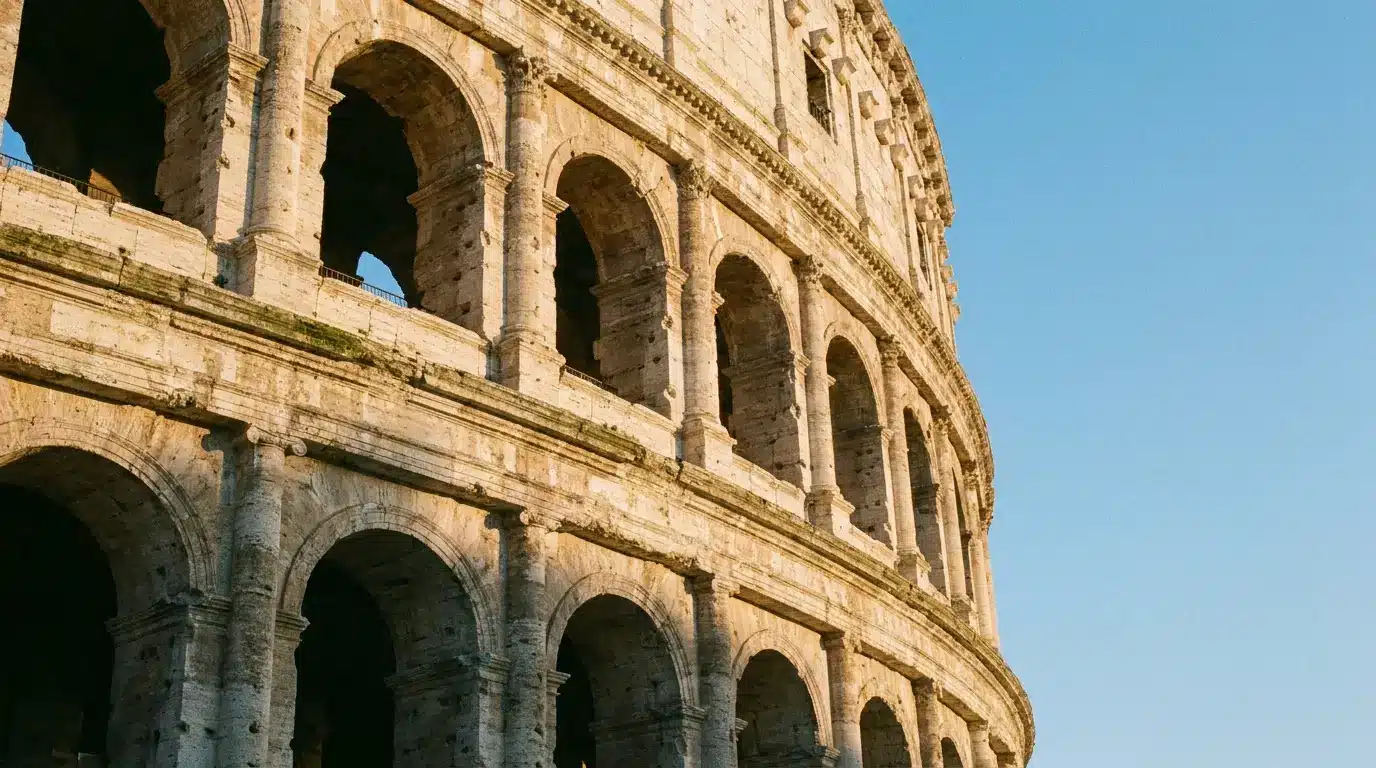
The Colosseum, the Uffizi Gallery, and the Vatican Museums sell timed-entry tickets that regularly sell out days ahead during spring and summer. Even in shoulder months like October or March, walk-up lines can stretch past an hour.
Booking online ahead of time, directly through official museum sites when possible, avoids both the wait and the inflated prices charged by third-party resellers near entrances.
This kind of planning matters most for anyone piecing together short, multi-city Italy trips, where a wasted afternoon in a ticket line can throw off an entire day’s itinerary. A little scheduling upfront protects the time that’s actually meant for seeing things, not waiting to see them.
Learn a Few Phrases Beyond Basic Greetings
“Buongiorno” and “grazie” go a long way, but phrases like “il conto, per favore” (the check, please) or “dov’è il bagno” (where is the bathroom) solve real, immediate problems. Servers in Italy don’t bring the bill unprompted, viewing it as rude to rush a table, so asking directly is expected, not impolite.
Even a rough attempt at Italian tends to shift interactions in a warmer direction, particularly outside major tourist zones where English is less commonly spoken. Locals generally respond well to the effort itself, regardless of how polished the grammar is.
Dress for the Church You’re Visiting
Major churches and basilicas, including St. Peter’s Basilica and the Duomo in Florence, enforce dress codes that block entry for bare shoulders, short shorts, or short skirts, no exceptions made for heat or long lines. This applies to men and women alike. Carrying a lightweight scarf or wrap solves this instantly, even in the middle of a hot afternoon.
Security staff at these sites turn away dozens of visitors daily over this exact issue, and there’s no changing room or workaround once you’re at the door. Planning an outfit with this in mind avoids a wasted trip back to the hotel.
Confirm Opening Days, Not Just Hours
Many museums, shops, and even some restaurants close on Mondays, and this catches visitors off guard constantly. The Uffizi in Florence and the Vatican Museums each have specific weekly closures that don’t align with each other, meaning a two-city itinerary needs separate checking for each stop. A quick search the night before saves an entire wasted morning.
The Real Advantage Is Rhythm, Not Just Preparation
None of these habits require special skill, just a willingness to move at Italy’s pace instead of forcing a home routine onto it. Travelers who adjust their expectations around meal times, payment norms, and booking windows tend to spend far less energy troubleshooting and more time actually enjoying where they are. The smoothest trips aren’t the most tightly scheduled ones; they’re the ones built around how Italy actually works.
