
Birds might be beautiful in flight or charming in song, but when they decide your building is their new home, the charm tends to wear thin. From aggressive nesting near entryways to droppings that damage stonework and paint, birds can turn a well-maintained property into something that looks (and smells) like it’s under siege. Whether you’re dealing with pigeons on a city balcony or gulls terrorizing a coastal rooftop, the same question applies: how do you choose the right bird control method that works, lasts, and doesn’t create more problems than it solves?
Choosing a control method isn’t just a matter of preference—it’s about understanding bird behavior, legal restrictions, property-specific challenges, and, yes, budget. So before you start stringing up spikes like Christmas lights or trying to scare them off with an owl decoy that hasn’t fooled anything since 2012, take a moment to assess what you’re really dealing with.
What Kind of Birds Are You Dealing With?
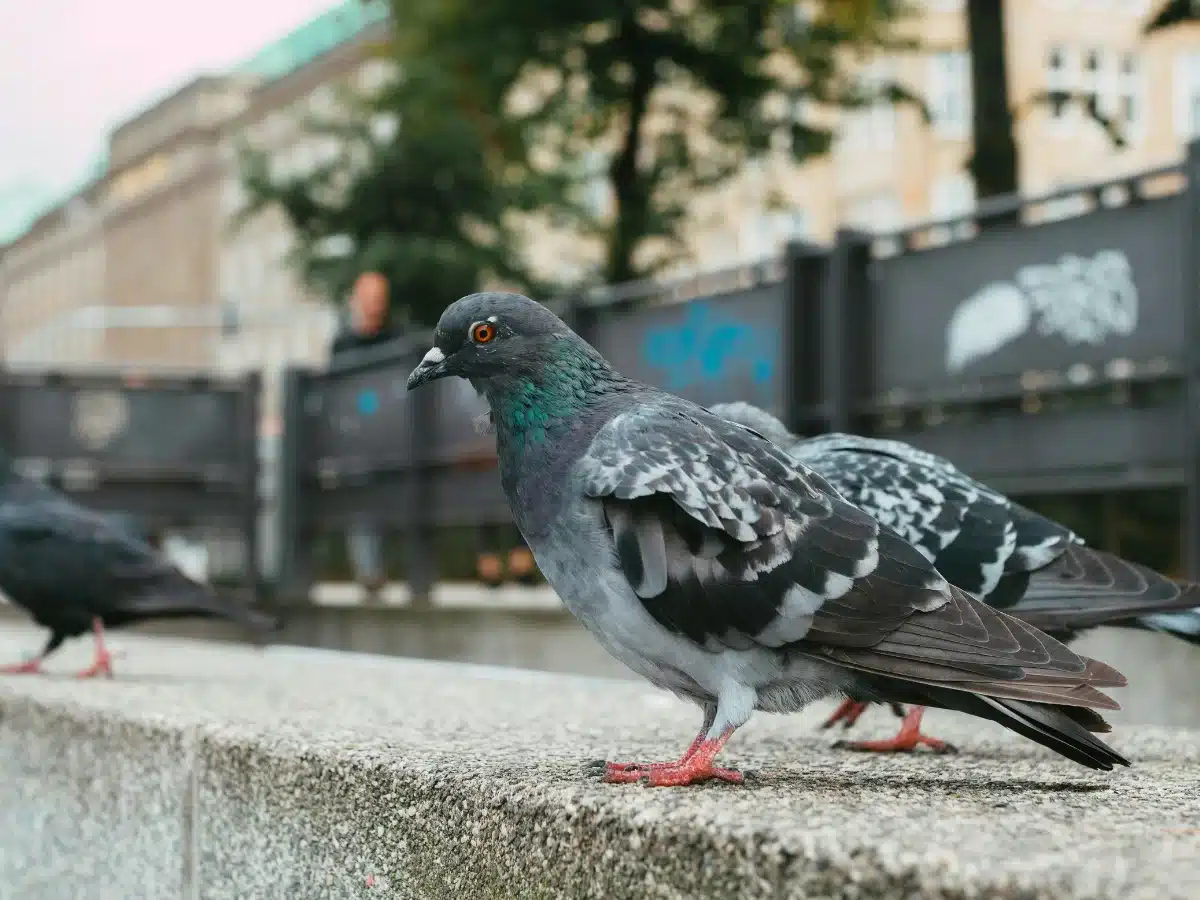
Not all birds are created equal, at least from a pest control perspective. Feral pigeons tend to loiter on ledges and under eaves, while gulls are more aggressive and are often found near large open rooftops or flat surfaces. Smaller species like sparrows may seek entry through gaps or vents, nesting in attics or ductwork.
Each species brings its own quirks and risks—gulls, for example, are highly territorial during nesting season and have been known to dive-bomb passersby. Starlings travel in flocks and can overwhelm structures quickly. And then there’s the legal dimension: many bird species in the UK are protected under the Wildlife and Countryside Act 1981, meaning control methods must be humane and compliant.
So your first task? Identify the species. Sounds basic, but too many property owners go straight to the hardware store or call in the first “bird expert” they find, without actually knowing what they’re trying to keep out.
Assessing Your Property’s Vulnerabilities
Birds are opportunistic. That tiny opening in your roof flashing? A perfect nesting spot. The railing outside your office window? Prime perching real estate. Understanding how birds are using your property—and more importantly, why—will help narrow down the right solution.
For high-rise buildings, ledges and HVAC systems are common targets. Warehouses and hangars might struggle with birds roosting in rafters. Residential homes often see issues with gutters, chimneys, or solar panels providing cozy nooks.
Here’s where tailored advice really makes a difference. A one-size-fits-all solution rarely works long-term. That’s where expert providers like www.apexbirdcontrol.uk come into play. By evaluating both the species involved and the property’s architecture, they can recommend methods that are actually fit for purpose, rather than just off-the-shelf deterrents that look good on paper but fall short in practice.
Humane vs. Effective—Do You Really Have to Choose?
There’s a misconception that effective bird control must be harsh or unfriendly. That it requires nets, wires, or spikes everywhere—turning your building into a fortress. But some of the most effective methods are also the most subtle.
For example, anti-perch systems like optical gels or discreet wire barriers can deter birds without dramatically altering the building’s appearance. Audio deterrents—if used properly—can mimic predator calls or distress signals to scare birds away, without harming them. Falconry is another option in certain commercial settings, where a trained bird of prey creates a natural fear response.
The key is strategic use. Overuse or poor placement can make these systems ineffective, or worse, counterproductive. Birds are smarter than we give them credit for. If they see a net that’s torn or an owl decoy that never moves, they’ll adapt—and fast.
Cost vs. Longevity: What’s the Real Investment?
Some methods look cheap upfront but require constant maintenance. Others might seem expensive at first glance but offer long-term relief with minimal upkeep. Solar panel bird proofing, for instance, can be a bigger upfront job, but it’s increasingly necessary for homeowners who want to avoid pigeons nesting underneath and damaging their investment.
Then there’s the matter of property value. A clean, bird-free property isn’t just about aesthetics—it’s also about protecting roofing, signage, and building materials from droppings that can cause corrosion and staining. Over time, these repairs add up. Bird control, done well, is as much about preservation as it is prevention.
When DIY Doesn’t Cut It
Let’s be honest: there’s a limit to what you can do with a ladder and some zip ties. DIY efforts can work in low-pressure situations, like discouraging birds from frequenting a garden fence. But for larger buildings, persistent infestations, or protected species, a professional assessment is not only advisable—it’s often legally necessary.
Qualified bird control specialists bring more than tools; they bring permits, insurance, and an understanding of regulatory compliance. They know which deterrents are allowed, which species require special handling, and how to implement solutions that won’t come back to bite (or bill you later in fines).
Conclusion: It’s About Strategy, Not Gimmicks
Effective bird control isn’t about throwing gadgets at the problem or setting up visual deterrents and hoping for the best. It’s about knowing your enemy (in this case, an adaptable, intelligent, and surprisingly resilient animal), understanding your property’s weak spots, and choosing a method that balances effectiveness with responsibility.
The best approach is usually the most thoughtful one—backed by practical expertise, legal understanding, and a realistic look at your budget and goals. Because whether you’re protecting a home, a heritage site, or a corporate headquarters, the goal is the same: a space that looks and feels like your own, not a rookery in disguise.
