
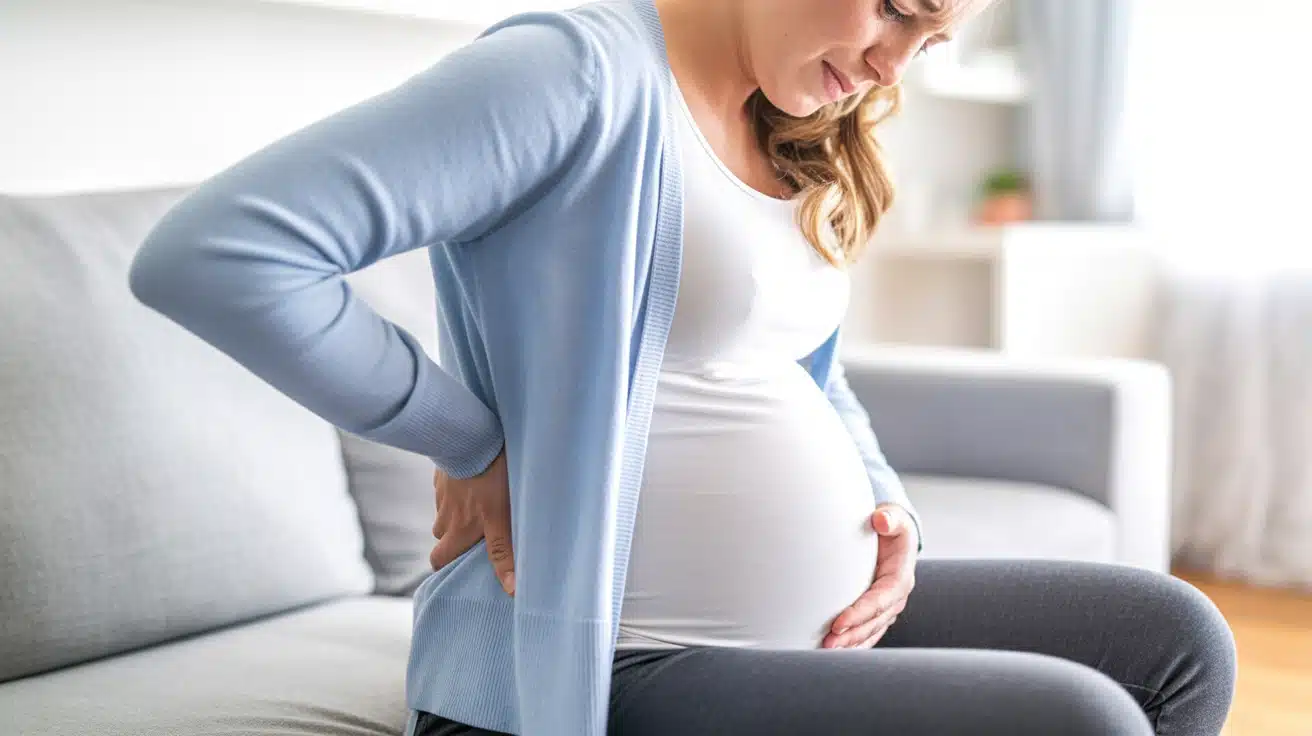
Picture this: you’re finally getting comfortable in bed when suddenly your hip starts throbbing like you just ran a marathon.
Sound familiar? If you’re pregnant and dealing with hip pain, you’re definitely not alone in this uncomfortable experience!
Hip pain during pregnancy is widespread, affecting up to 45% of expecting moms. Your body is basically performing an amazing magic trick – growing a tiny human while completely rearranging your insides.
This incredible process puts extra pressure on your hips, pelvis, and surrounding muscles.
However, here’s the thing: just because hip pain is common doesn’t mean you have to suffer through it. Understanding why it happens and what you can do about it can significantly improve your comfort level.
Ready to say goodbye to those achy hips and hello to better sleep?
Is Hip Pain During Pregnancy Normal?
Hip and pelvic pain affects 50-70% of pregnant women, making it extremely common. Most cases are typical and caused by hormonal changes and fetal growth.
Typical pain includes mild aching that develops gradually on both sides and improves with rest. This usually worsens as pregnancy progresses due to increased weight and loosened joints.
Medical attention is needed for sharp pain, severe one-sided symptoms, swelling, or fever. These may indicate complications that require professional evaluation.
While most hip pain is normal during pregnancy, women should consult healthcare providers for any sudden or severe symptoms to ensure proper care.
Understanding how to relieve hip pain during pregnancy starts with knowing what’s normal and what requires medical attention.
Why Does Pregnancy Cause Hip Pain?
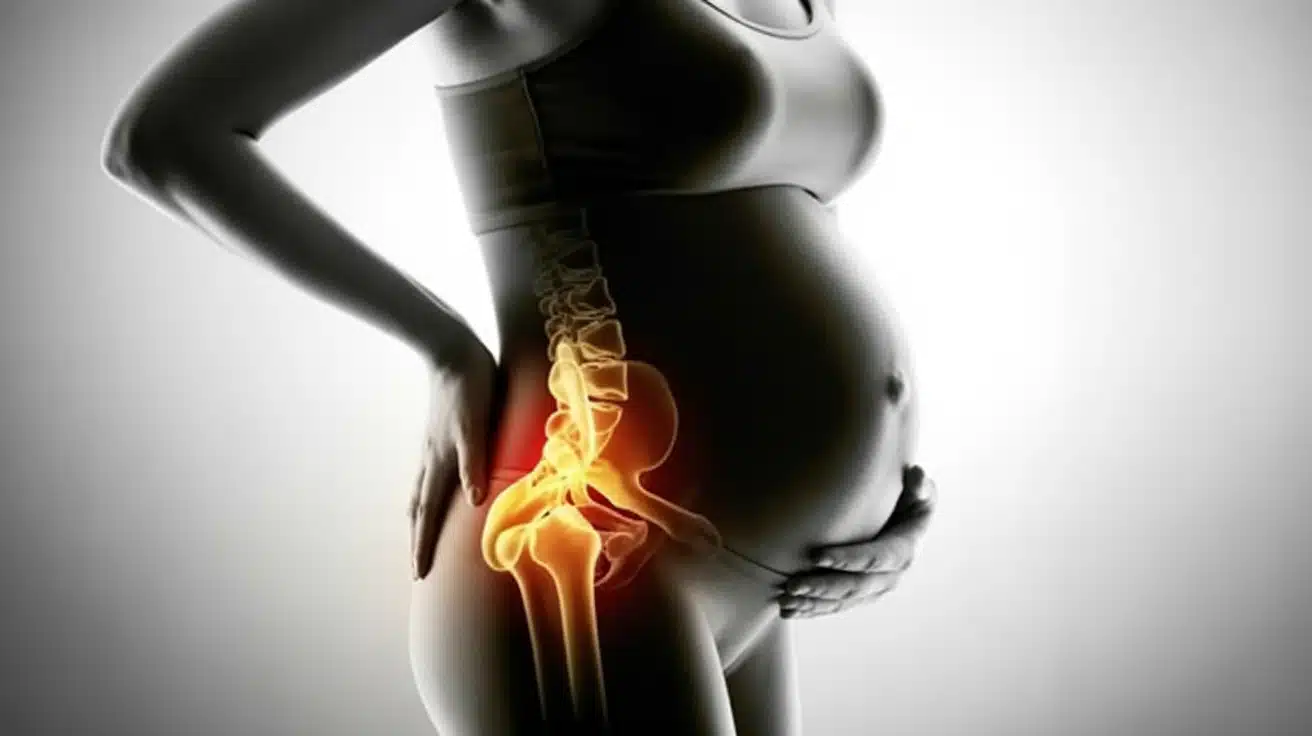
Pregnancy brings several physical changes that can lead to hip discomfort. Understanding these causes helps women recognize what’s happening in their bodies and when to seek help.
- Hormonal Changes: The hormone relaxin softens and loosens ligaments throughout the pelvis, preparing the body for childbirth. While this is necessary for delivery, it creates instability in joints like the sacroiliac and symphysis pubis, leading to pain and discomfort.
- Weight Gain and Posture Shifts: As the belly grows and shifts forward, the center of gravity changes, causing women to adjust their walking patterns and posture. This altered gait places additional stress on hip muscles and joints that aren’t accustomed to the new load distribution.
- Specific Triggers: Common pregnancy-related conditions include round ligament stretching, sacroiliac dysfunction, symphysis pubis dysfunction, and sciatica. These occur when growing tissues and the expanding uterus put pressure on various joints and nerves throughout the pelvic area.
These combined factors explain why hip pain affects so many pregnant women and often worsens as pregnancy progresses, but understanding these underlying causes empowers expectant mothers to take proactive steps for relief.
Remember that every pregnancy is unique, so discussing your specific symptoms with your healthcare provider ensures you receive appropriate care and support throughout your journey.
What Does Pregnancy Hip Pain Feel Like?
Pregnancy hip pain presents in various ways, and recognizing these symptoms helps women understand what they’re experiencing and when to seek medical advice.
- Dull, persistent ache around the hip joints and pelvis, described as a deep, throbbing sensation that worsens with movement, prolonged sitting, or standing.
- Sharp, stabbing pains occur when changing positions quickly, getting out of bed, or climbing stairs. These sudden jolts often catch women off guard and may indicate ligament stretching or joint instability.
- Radiating discomfort spreading from the hip area into the groin, inner thighs, or down the legs suggests that nearby nerves may be affected by the growing uterus or shifting pelvic structures.
- Second trimester onset most commonly begins around weeks 14-20 as the baby grows larger and hormonal changes intensify.
- Third-trimester intensification often becomes more pronounced when the baby’s weight and size put maximum pressure on the pelvis.
Being aware of these symptoms helps pregnant women differentiate between normal pregnancy discomfort and pain that may require medical attention or intervention.
While hip pain is often an expected part of pregnancy, documenting your symptoms and their patterns can help your healthcare provider recommend the most effective treatment strategies for your specific situation.
When to Seek Medical Advice
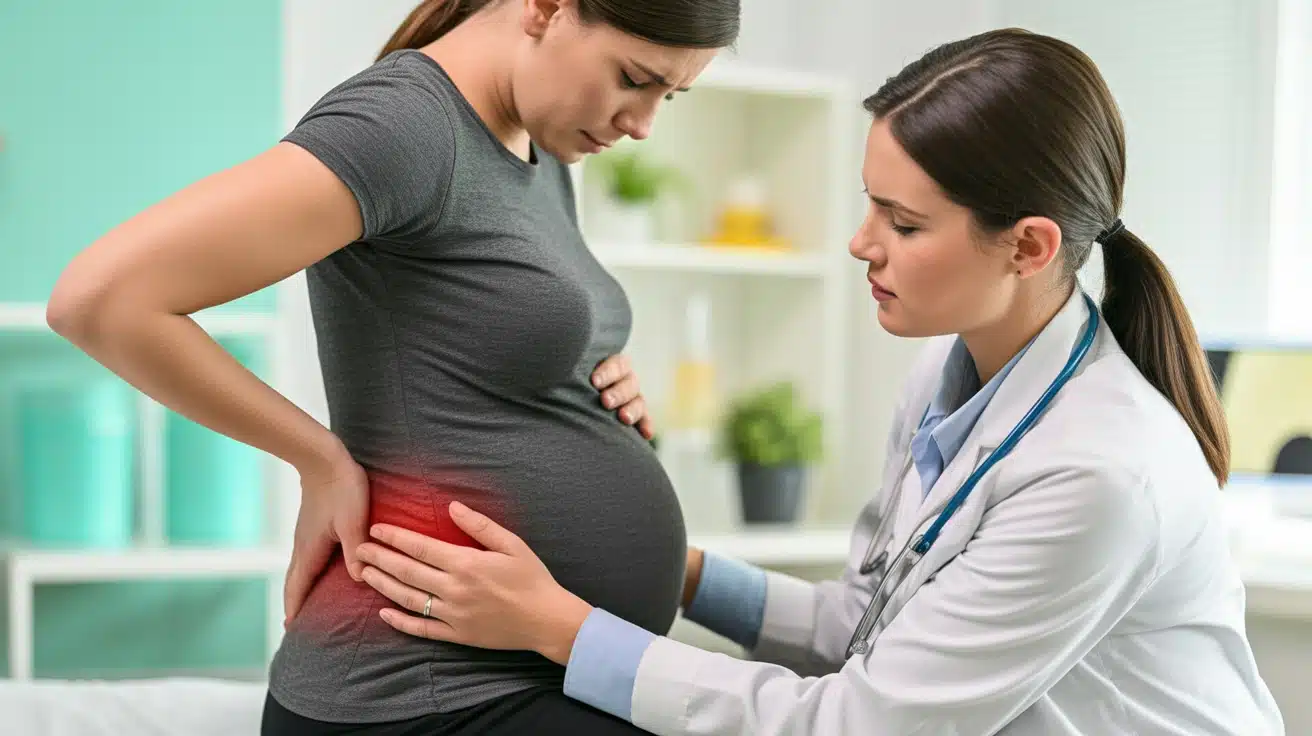
While hip pain during pregnancy is often normal, specific symptoms require immediate medical attention to ensure the safety of both mother and baby.
- Constant or severe pain: That doesn’t improve with rest and interferes with daily activities or sleep.
- Fever accompanied by hip pain: It may indicate an infection or serious complications that require immediate treatment.
- Signs of preterm labor: They include regular contractions, pelvic pressure, or rhythmic lower back pain.
- Symphysis Pubis Dysfunction (SPD): It includes extreme pain and instability in the front pelvic joint that makes walking difficult.
- Severe sciatica: This condition involves intense, shooting pain down the leg that significantly impacts mobility and doesn’t respond to basic relief measures.
Women should contact their healthcare provider immediately if they experience any of these warning signs. Early intervention can prevent complications and provide appropriate treatment options to manage pain safely during pregnancy.
Postpartum Hip Pain: What to Expect
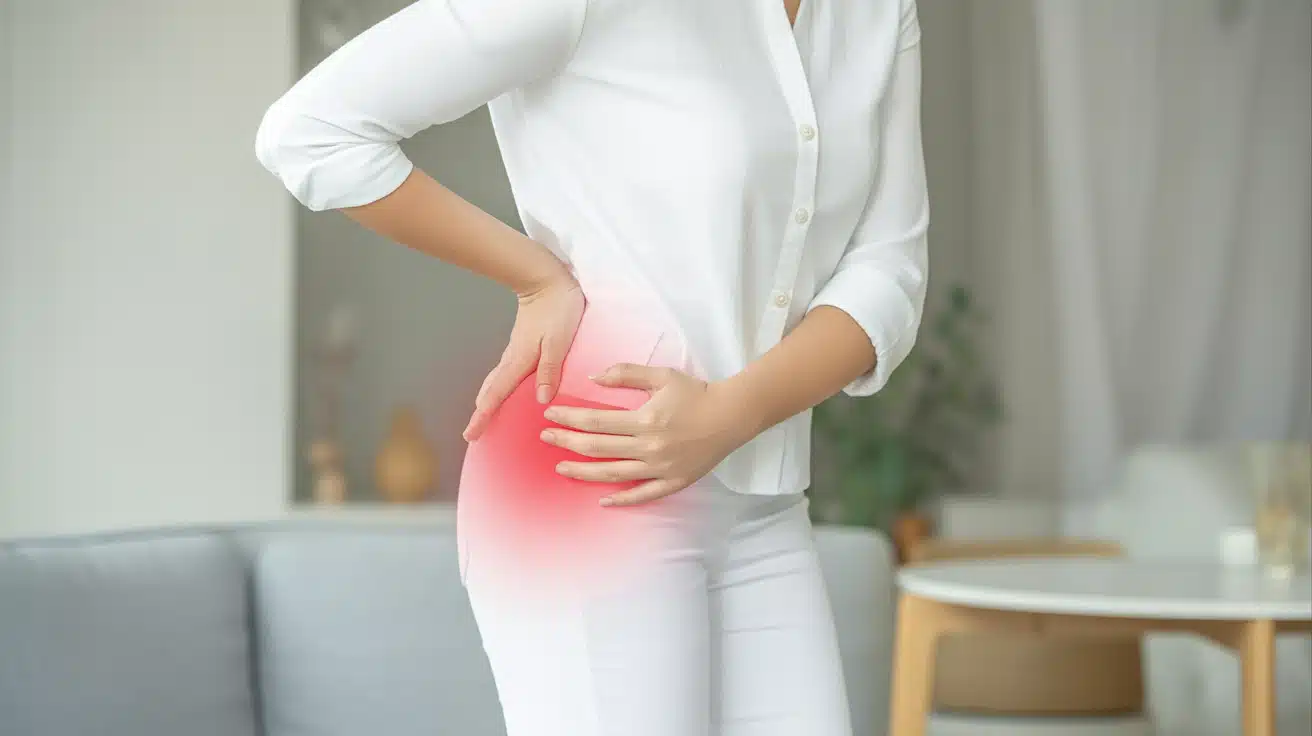
After giving birth, hip pain typically decreases significantly as the body returns to its pre-pregnancy state. Hormone levels normalize within weeks, allowing ligaments and joints to regain stability.
The removal of the baby’s weight alleviates pressure on the pelvis and hips, allowing the center of gravity to shift back to normal, thereby reducing strain on overworked muscles and joints.
When to Consider Physical Therapy
- Pain persists beyond 3-6 months postpartum.
- Daily activities, such as walking or lifting, become difficult.
- Muscle imbalances need targeted treatment.
- Core and pelvic muscles require strengthening.
- Movement patterns need professional restoration.
Remember, your body has done something incredible, and it deserves proper care during recovery. Don’t hesitate to seek professional help if pain continues – you’ve earned the right to feel comfortable and strong again!
Safe Relief and Prevention Tips

Managing pregnancy-related hip pain safely involves gentle approaches that provide comfort while protecting both the mother and the baby. These pregnancy hip pain relief methods have been proven effective for many expectant mothers.
1. Gentle Movement and Exercise
Prenatal yoga, swimming, and regular walking help maintain flexibility and muscle strength without straining joints. Water-based activities are particularly beneficial as they support body weight while allowing movement.
These low-impact exercises promote circulation and prevent stiffness in hip joints. Always consult your healthcare provider before starting any exercise routine during pregnancy.
2. Lifestyle and Comfort Measures
Pregnancy support belts provide pelvic support during daily activities and reduce strain on loosened ligaments. Maintaining proper posture while sitting and standing helps distribute weight evenly across the hip joints.
Wearing supportive, low-heeled shoes with good arch support maintains proper body alignment. Applying warm compresses for 15-20 minutes helps relax tight muscles and increase blood flow to painful areas.
3. Sleep and Rest Strategies
Sleep on your left side with pillows between your knees and under your belly for proper hip alignment. This position improves blood circulation and reduces pressure on major blood vessels.
Change positions frequently throughout the day to prevent joints from becoming stiff and painful. Avoid staying in one position for extended periods, whether sitting or standing.
4. Prevention Measures
- Start gentle prenatal exercises early to build muscle strength.
- Monitor weight gain per healthcare provider recommendations.
- Take breaks every 30 minutes from sitting or standing.
- Implement measures consistently throughout pregnancy.
These approaches work best when combined and should always be discussed with a healthcare provider before implementation. Finding effective pregnancy hip pain relief often requires trying different combinations of these strategies.
Wrapping It Up
Pregnancy hip pain might feel overwhelming, but remember that you’re not alone in these challenging times.
Understanding why it happens and recognizing the symptoms puts you in control of managing your discomfort. The good news? This pain is temporary and will improve after your baby arrives.
Don’t suffer in silence; there are safe, effective ways to find relief during pregnancy. Simple stretches, proper support, and gentle exercises can make a huge difference in your daily comfort.
Always talk to your doctor about what you’re experiencing so they can guide you toward the best solutions.
Share your experience: What pregnancy hip pain remedies worked best for you? Comment below to help other expecting moms!
Want more pregnancy tips? Click here to learn helpful blogs about managing pregnancy symptoms and staying comfortable throughout your pregnancy.
