

Esports is sometimes seen as just a form of entertainment, with nothing in common with real studying or work. But I keep noticing how a structured approach to training, strategy, and teamwork helps kids develop habits that are useful far beyond the screen.
It becomes especially clear when gaming shifts from being chaotic to something more organized. Kids start setting goals, following schedules, and even taking responsibility for their team. All of this can contribute to building discipline — especially when the environment supports it.
Competition and Discipline: What They Have in Common
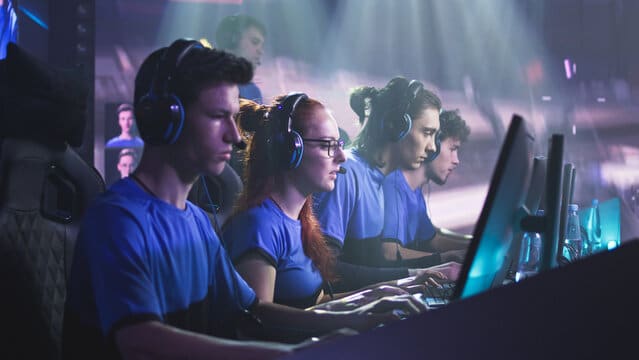

One of the key things esports teaches is how to follow a routine. It’s all about consistency: daily practice, reviewing past matches, analyzing mistakes — both your own and others’. Kids involved in this process start to treat time and planning differently.
They begin to understand that success isn’t possible without steady preparation. This becomes especially clear when a child participates in online tournaments or joins a school or external team. They deal with deadlines, match schedules, and specific in-game responsibilities. All of this builds accountability and organization — not because someone forces it, but because the environment requires it.
Beyond that, kids start to see esports not just as a game, but as a structured system with clear rules and goals. They realize that team results depend directly on their discipline, which helps form long-term, useful habits.
Platforms like egw.news play an important role here — they allow kids to follow real tournaments, see how professionals train, and what standards exist at the top level. It’s not just inspiring — it creates a sense of belonging to a larger, well-organized system.
In addition, the competitive format itself teaches kids to handle stress and prepare for high-stakes moments. Before matches, they feel nervous, and they learn to manage their emotions and stay focused under pressure.
That’s an experience traditional education rarely provides, but it’s critically important in life. Losses also become part of the learning process — they not only build character but also develop the ability to reflect and grow without external pressure. When competition stops being just entertainment and becomes a step in personal development, discipline turns into something internally accepted, not imposed.
Focus and Attention Control
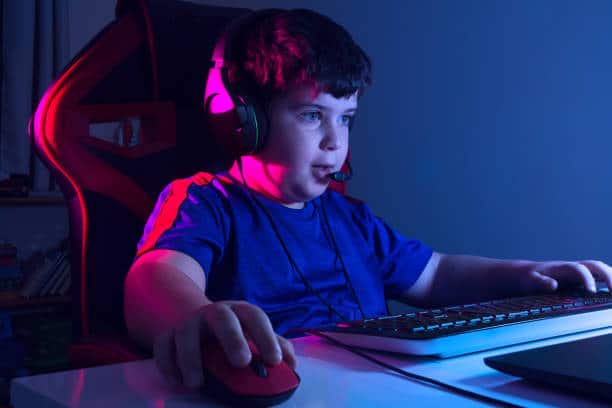

In esports, constant focus isn’t just a helpful skill — it’s a requirement. At a high level of play, there’s no room for autopilot. Players have to stay in control of the situation, adapt to changes, and make decisions in real time. They track enemy positions, team resources, the score, cooldowns, and dozens of other variables.
This demands not just attention, but active cognitive resource management. The ability to concentrate under pressure becomes a vital tool — one that naturally carries over into other areas of life.
I believe this kind of skill directly contributes to developing broader concentration. When a child engages with a game in a structured way, not just casually, they build patience, logical thinking, and attentiveness. These qualities often show up later in schoolwork and everyday responsibilities, especially if adults help draw the connections. It’s not magic — it’s simply the brain learning to stay focused in high-load conditions.
It’s also important to stay informed about the game’s context — changes in mechanics, evolving tactics, and how top players approach the game. News resources like gaming news play a role here too — they don’t just keep kids engaged, but also encourage analytical thinking, curiosity, and a deeper understanding of what’s going on, beyond just pressing buttons. This kind of mindset builds critical thinking, which is especially valuable in today’s digital world.
Teamwork and Respect for Rules
Even though games might seem like a solo activity, esports is almost always about teamwork. Winning a match is the result of five people working in sync, each fulfilling a specific role. If someone starts acting against the plan or ignoring teammates’ calls, the whole team suffers. This helps kids understand the value of collaboration and builds communication skills that are useful far beyond the game itself.
Through these interactions, kids learn to consider other perspectives, avoid interrupting, take turns, listen actively, and make their own voices heard. This becomes especially clear during post-match reviews, where players discuss mistakes without turning to blame.
That kind of environment gradually teaches kids to respect others’ opinions and engage in constructive dialogue — not through pressure, but through a shared sense of purpose.
I think this is just as important as tactical knowledge. In esports, you can’t carry the game alone — you have to adapt to others’ decisions, make compromises, and delegate. This builds a sense of responsibility not just for personal performance, but for the team’s success as a whole — something that’s often missing in traditional school settings, where only individual achievements are usually recognized.
Developing Intrinsic Motivation
When a child sees progress — especially in a game they’ve chosen themselves — it sparks intrinsic motivation. This isn’t about external pressure like grades, deadlines, or the threat of punishment. It’s a conscious desire to improve — because it’s interesting, because they want to achieve more.
In esports, this happens quite fast: skill level increases, matchmaking pairs them with stronger opponents, tournament wins start coming in, and they get recognition from teammates. All of this boosts confidence and provides a powerful push for further growth.
I believe intrinsic motivation is far more stable than any reward-and-punishment system. It encourages kids to work on themselves without constant reminders, to look for solutions, to experiment, and not be afraid of failure. When gaming turns from just a pastime into a path of growth, it builds a valuable trait — the willingness to invest effort even without instant rewards.
In my opinion, esports offers great conditions for this kind of development — especially if parents or mentors don’t interfere, but help create a healthy balance between study and gaming. It’s not about giving free rein; it’s about support: setting direction, discussing goals, and giving space for choice.
In that kind of environment, even a hobby can become an important part of a child’s personal growth — not distracting them from responsibilities, but actually helping them manage those responsibilities better.
Conclusion
Esports isn’t a magic solution, but it can definitely be a valuable tool in raising and educating kids. When approached thoughtfully and within healthy boundaries, it helps develop discipline, focus, teamwork, and motivation. These are skills children will benefit from, whether they stay in the industry or choose a completely different path in life.
