

The Manaslu Circuit Trek is one of Nepal’s most spectacular trekking adventures—remote, wild, and rewarding. Circling Mount Manaslu (8,163m), the world’s eighth-highest peak, the trek combines jaw-dropping Himalayan views with authentic cultural encounters. But before you lace up your boots, there’s one crucial question: is the Manaslu Trek the right challenge for you?
Unlike the more commercialized trails of Everest and Annapurna, the Manaslu Trek Nepal is known for its ruggedness and remoteness. This trek pushes trekkers to their limits—physically, mentally, and emotionally. To help you assess your readiness, this guide breaks down every aspect of the trek’s difficulty, from altitude and fitness demands to trail conditions, logistics, and safety considerations.
Understanding the Basics of the Manaslu Circuit.

- Maximum altitude: 5,160m at Larke La Pass
- Duration: 14–18 days (21–24 days with Tsum Valley extension)
- Distance: ~177 km (110 miles) depending on route variation
- Start point: Soti Khola (710m)
- End point: Dharapani (1,970m)
- Accommodation: Teahouses (basic lodges)
- Trek grade: Strenuous (moderate to challenging, depending on acclimatization and weather)
1. Physical Fitness Requirements
The Manaslu Trek is not a casual walk. You’ll trek 6–8 hours a day over steep, rocky, and uneven terrain, with significant daily elevation gains and losses. Days around Larke La can stretch to 9–10 hours of continuous hiking.
Recommended Fitness Level
- Cardiovascular endurance: You should be able to comfortably hike or jog for several hours.
- Strength: Strong legs and core to handle steep ascents/descents.
- Stamina: Ability to sustain consecutive long trekking days.
Training Tips
- Hiking practice: Do multi-day hikes with a loaded backpack (8–10 kg).
- Cardio workouts: Running, cycling, or swimming 3–4 times a week.
- Strength training: Squats, lunges, stair climbs, planks.
- Altitude prep: If possible, train at higher elevations to mimic Himalayan conditions.
Bottom line: Beginners with determination can complete the trek, but prior trekking experience makes it far more manageable.
2. Technical Difficulty: How Does Manaslu Compare?
The Manaslu Circuit Trek is non-technical—you don’t need mountaineering skills, ropes, or crampons in normal conditions. However, its difficulty surpasses that of some classic treks due to its remoteness and longer days.
- Versus Everest Base Camp (EBC): Manaslu is less crowded but harder in terms of terrain variety and pass crossing. EBC has more infrastructure.
- Versus Annapurna Circuit: Both involve a high pass, but Manaslu feels wilder, with fewer comforts and less road access.
- Versus Langtang: Manaslu is much longer, higher, and more demanding.
3. Altitude Challenges and Acclimatization
High Points of Concern
- Sama Gaon (3,530m) – acclimatization stop
- Samdo (3,860m) – gradual ascent
- Dharamsala (4,460m) – base before Larke La
- Larke La Pass (5,160m) – the trek’s toughest challenge
Risks of Altitude Sickness
- Mild AMS symptoms: Headache, fatigue, nausea, insomnia.
- Severe risks: HAPE (High Altitude Pulmonary Edema), HACE (High Altitude Cerebral Edema).
Acclimatization Strategy
- Include 2 rest days (Sama Gaon + Samdo).
- Follow the “climb high, sleep low” principle.
- Ascend gradually and stay hydrated.
Verdict: The Manaslu Trek requires disciplined acclimatization. Those ignoring altitude guidelines risk serious health consequences.
4. Weather Conditions and Seasonal Considerations
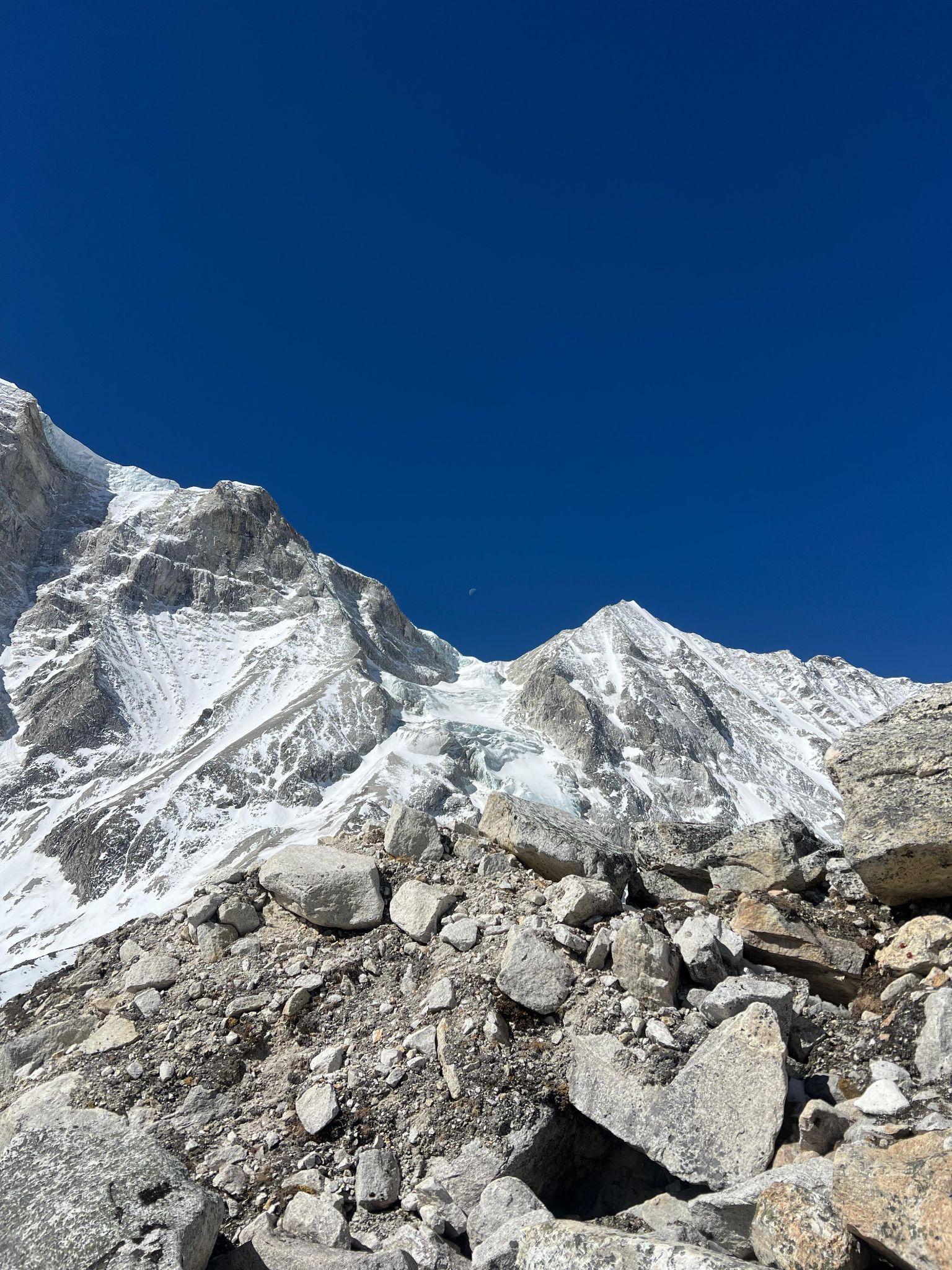
The Himalayan climate is unpredictable, and the Manaslu Circuit Trek difficulty varies dramatically with the season.
- Spring (March–May): Moderate temps, rhododendron blooms, some snow at higher elevations.
- Autumn (Sept–Nov): Best season—clear skies, stable weather, excellent visibility.
- Winter (Dec–Feb): Extreme cold (-20°C at night near Larke La), heavy snow, and potential trail closures.
- Monsoon (June–Aug): Heavy rainfall, leeches, landslides, and slippery trails.
Tip: Plan your trek in spring or autumn for the safest and most rewarding conditions.
5. Trail Conditions and Terrain
Expect a wide variety of terrain:
- Lower sections: Subtropical forests, rice terraces, suspension bridges.
- Mid-altitude: Rocky trails, mule caravans, narrow cliffside paths.
- High altitudes: Moraines, glaciers, snow-covered passes.
The Larke La crossing is particularly challenging due to long hours, steep ascent, and potential snow. Navigation is generally straightforward since the trek follows a defined route, but local guides are mandatory and invaluable for safety.
6. Accommodation and Food Availability
Accommodation is in teahouses—simple but functional lodges.
- Rooms: Basic twin beds with blankets (bring your own sleeping bag).
- Food: Standard Nepali trekking meals—dal bhat, noodles, soups, momos, fried rice.
- Facilities: Limited hot showers and charging points (extra fee).
Compared to EBC or Annapurna, facilities are more rustic. Trekkers must be comfortable with fewer comforts.
7. Permit Requirements and Logistical Complexities
The Manaslu region is classified as a restricted area, requiring multiple permits:
- Manaslu Restricted Area Permit (RAP):
- Sept–Nov: USD 100/week; Dec–Aug: USD 75/week.
- Manaslu Conservation Area Permit (MCAP): ~USD 30.
- Annapurna Conservation Area Permit (ACAP): ~USD 30.
- Tsum Valley Restricted Permit (optional): USD 40/week in autumn, USD 30/week otherwise.
Rules:
- Must trek with a registered guide and agency.
- Minimum of 2 trekkers required (solo not permitted).
This added complexity makes the trek less spontaneous but ensures cultural and environmental protection.
8. Emergency Evacuation and Safety

Safety is a key concern given the trek’s remoteness.
- Helicopter evacuation: Possible from Sama Gaon, Samdo, or Dharamsala, but costly (~USD 5,000+). Insurance is essential.
- Medical facilities: Limited—basic health posts in villages. Major issues require evacuation to Kathmandu.
- Trail hazards: Landslides, avalanches in winter, slippery suspension bridges.
Recommendation: Purchase travel insurance that covers high-altitude trekking and helicopter evacuation.
9. Duration and Daily Walking Hours
- Standard Manaslu Circuit Trek: 14–18 days
- With Tsum Valley extension: 21–24 days
- Daily trekking time: 6–8 hours average, 9–10 on pass day
The trek’s length itself adds to the difficulty—sustaining energy over two weeks in rugged terrain is demanding.
10. Required Gear and Equipment
Unlike camping expeditions, you don’t need tents or cooking gear. But quality trekking gear is non-negotiable:
- Clothing: Layering system (base layer, fleece, down jacket, waterproof shell).
- Footwear: Sturdy, broken-in trekking boots.
- Sleeping bag: Rated to -15°C.
- Poles: Essential for descents and snowy conditions.
- Accessories: Headlamp, water purification system, gloves, hats, sunglasses.
Having the right gear significantly reduces physical and mental strain.
11. Cultural and Language Barriers
The Manaslu region is home to Gurung, Magar, and Tibetan-influenced communities. English is limited outside teahouses, but your guide acts as translator.
Cultural differences enhance the trek’s richness but can challenge unprepared trekkers. Learn a few Nepali greetings—“Namaste” goes a long way. Respect customs, especially in Tsum Valley, where monasteries and prayer rituals are central to daily life.
12. Cost Implications and Budget Considerations
The Manaslu Trek Nepal costs more than independent treks due to permits, guides, and logistics:
- Permits: ~USD 160–200 (more with Tsum Valley).
- Guide: USD 25–30/day.
- Porter: USD 20–25/day.
- Accommodation & food: USD 20–30/day.
- Transport (Kathmandu–Soti Khola/Dharapani): USD 150–250 round trip.
- Insurance: USD 150–200 for comprehensive coverage.
Estimated budget: USD 1,500–2,500 for the full trek.
This makes the trek more expensive than Langtang or Annapurna, but it’s still less than EBC with flights to Lukla.
Who Should Attempt the Manaslu Circuit Trek?
Ideal For:
- Trekkers with prior multi-day hiking experience.
- Adventurers seeking a challenging but non-technical trek.
- Those who value remoteness and cultural immersion.
- Physically fit travelers who can commit to training.
Not Ideal For:
- Absolute beginners with no trekking background.
- Those seeking comfort, luxury, or short trekking holidays.
- Travelers unwilling to deal with logistical challenges and rough facilities.
Tips for Making the Trek More Manageable
- Hire both a guide and porter to ease the load and enhance safety.
- Add acclimatization days—don’t rush the schedule.
- Start training at least 3 months before with cardio + strength routines.
- Choose the right season—spring or autumn.
- Travel light but don’t compromise on essentials like warm gear.
- Stay hydrated and eat well to support endurance.
Final Thoughts: Is the Manaslu Circuit Trek Right for You?
The Manaslu Circuit Trek is challenging but immensely rewarding. It’s not the easiest trek in Nepal, nor the hardest—it sits in the sweet spot where physical endurance, mental determination, and proper preparation pay off in unforgettable ways.
If you’re fit, adventurous, and willing to embrace rustic conditions, this trek offers a perfect balance of difficulty and reward. Add the Tsum Valley extension, and you’ll step even deeper into one of Nepal’s last true frontiers of culture and spirituality.
For those deciding between popular routes, remember: the Manaslu Trek Nepal gives you the same grandeur as Everest or Annapurna, with far fewer crowds and a deeper sense of discovery. If you’re prepared for the challenge, this hidden gem may be exactly the trek you’re looking for.
