
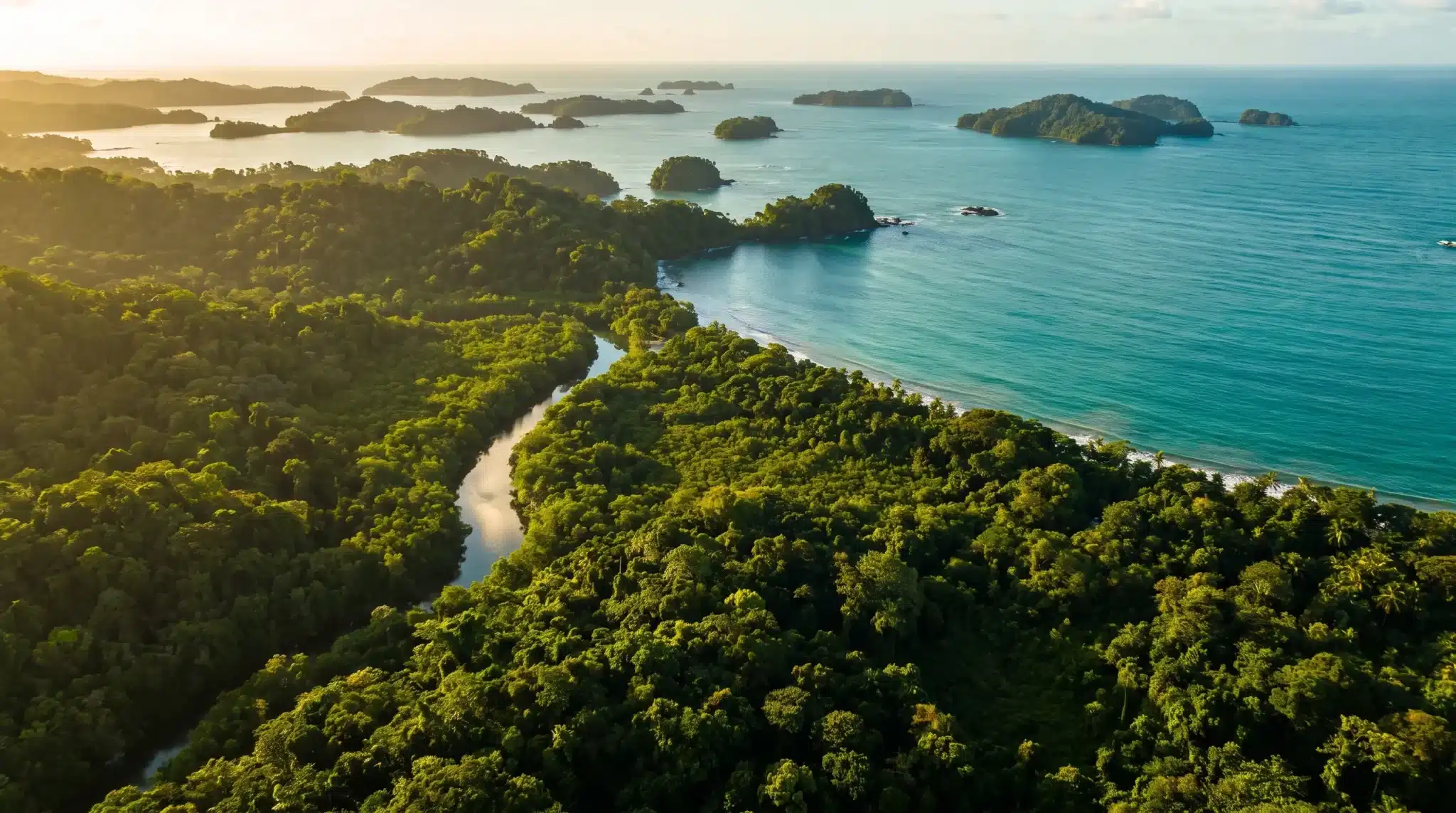
Panama packs rainforest, two oceans, a canal, and a dozen indigenous cultures into a country roughly the size of South Carolina. That density is exactly what makes planning a trip there harder than it looks on a map. Before booking flights or hotels, a handful of decisions will determine whether the itinerary feels rushed and scattered or purposeful and well-paced.
How Many Regions to Include
Panama City, the canal, Bocas del Toro, the Azuero Peninsula, and the San Blas Islands (Guna Yala) all pull in different directions, literally. Trying to hit all five in ten days means spending more hours on puddle-jumper flights and shuttle vans than actually experiencing any one place.
A better approach is picking two, maybe three regions and giving each at least three full days, which allows for a slow morning or a weather delay without collapsing the schedule.
Whether to Fly or Drive Between Destinations
Panama’s domestic flight network, run mostly through Albrook Airport in Panama City, connects to Bocas del Toro, David, and a few other regional hubs in under an hour. Driving those same routes can take five to eight hours on roads that vary widely in quality.
Flying costs more but buys back time and comfort, especially valuable if the itinerary already includes early boat transfers to islands or lodges. Driving makes more sense for shorter hops, like Panama City to the canal towns or to the Pacific beaches near Coronado, where the scenery along the way adds something to the trip rather than just eating hours.
City Time Versus Nature Time
Panama City offers colonial architecture in Casco Viejo, a skyline that rivals Miami’s, and canal-adjacent museums worth a half-day each. But the country’s real draw is what surrounds the city: cloud forests in Boquete, coral reefs off Bocas del Toro, and the biodiversity of Soberanía National Park barely 30 minutes from downtown.
Travelers who allocate more than two nights to the capital often find themselves wishing they’d spent that time in the highlands or on the coast instead. Two nights in Panama City is typically enough to see the essentials without shortchanging the rest of the country.
Dry Season or Green Season
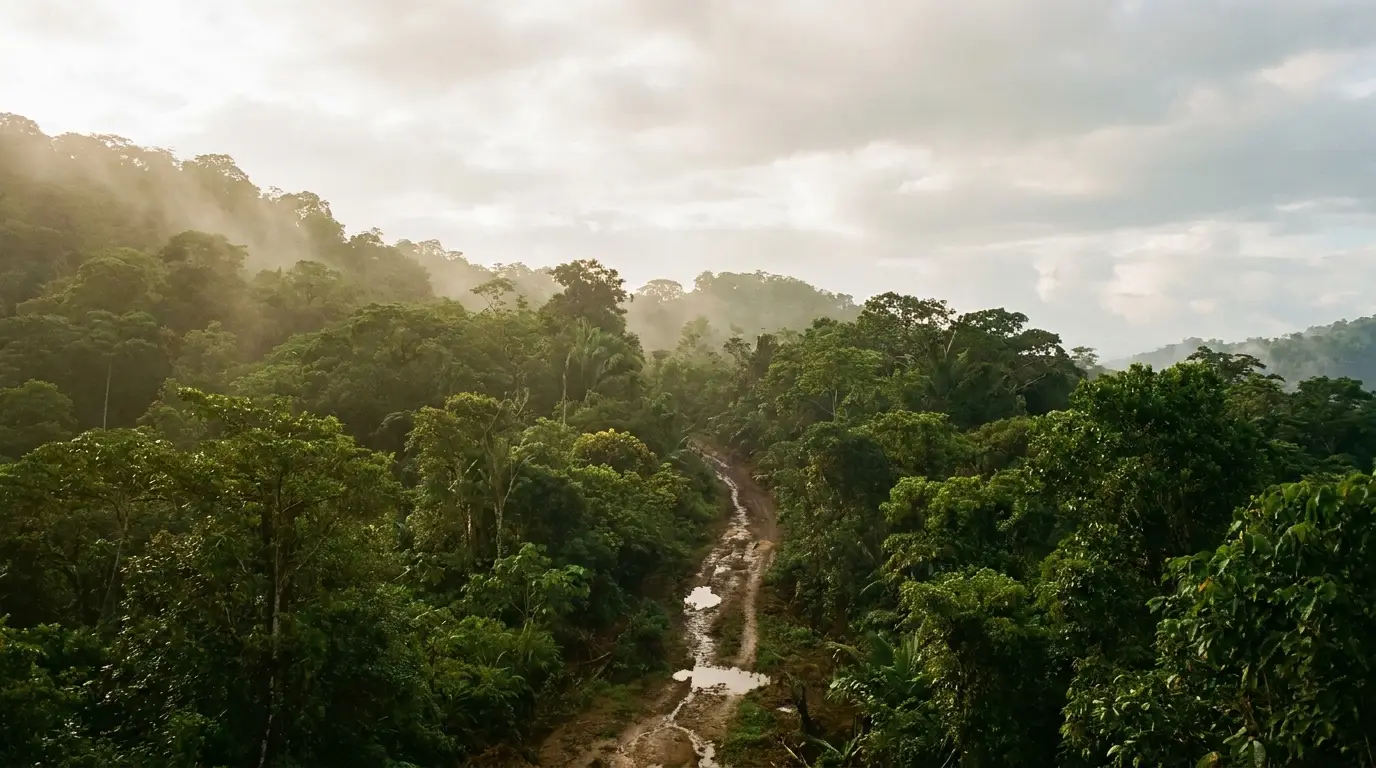
Panama’s dry season runs mid-December through mid-April, and it’s when most visitors show up, which means higher prices and fuller lodges in Boquete and Bocas del Toro. The green season, roughly May through November, brings afternoon showers but also lush landscapes, thinner crowds, and noticeably better hotel rates.
Mornings during green season are frequently clear and sunny, with rain arriving predictably in the afternoon, so outdoor activities scheduled early in the day rarely get rained out. Anyone prioritizing value or solitude over guaranteed sunshine should look seriously at June through August.
Independent Travel or a Guided Structure
Renting a car and self-driving works fine for the Pacific beaches and the highland town of Boquete, where roads are decent and signage is manageable. It works far less well for Guna Yala, where reaching the San Blas Islands requires a permitted 4×4 transfer or flight plus a boat, coordinated through the Guna General Congress rather than a typical rental agency.
For travelers who want a mix of remote destinations without sorting out permits and boat logistics themselves, working with an operator that runs Panama luxury tours removes a lot of the friction, particularly for multi-region trips that combine jungle lodges with island stays. Independent travel still makes sense for simpler routes, but it requires more research time upfront.
How Much Time to Give the Canal
The Panama Canal deserves more than a quick photo at Miraflores Locks, though that’s what most day-trippers settle for. A partial or full transit by boat, available through several tour operators out of Panama City, gives a firsthand sense of the engineering and takes anywhere from four to eight hours depending on the route.
For travelers with only a day to spare, the Miraflores Visitor Center combined with lunch at a nearby restaurant overlooking the locks covers the highlights in about three hours. Deciding between a quick visit and a full transit early on affects how the rest of that day’s schedule gets built.
Where to Splurge and Where to Save
Panama offers a wide price range within a single trip, and figuring out where the money matters most changes the itinerary’s shape. A private guide in Boquete for a birding hike, where local knowledge of trails and species is hard to replicate, is worth the extra cost.
A generic city tour of Panama City, by contrast, can often be handled with a rental car, a map, and a couple of hours in Casco Viejo. Allocating a bigger budget to a few days in Guna Yala or a boutique eco-lodge in the Darién, and trimming costs on transit days or standard city stops, tends to produce a trip that feels considered rather than evenly, blandly spent everywhere.
None of these seven decisions needs to be made in isolation. Settling on the number of regions first naturally narrows the flight-versus-drive question, which in turn shapes how many days land in cities versus nature, and so on down the list. Start with regions, work through the rest in order, and the itinerary tends to build itself with far less second-guessing along the way.
