
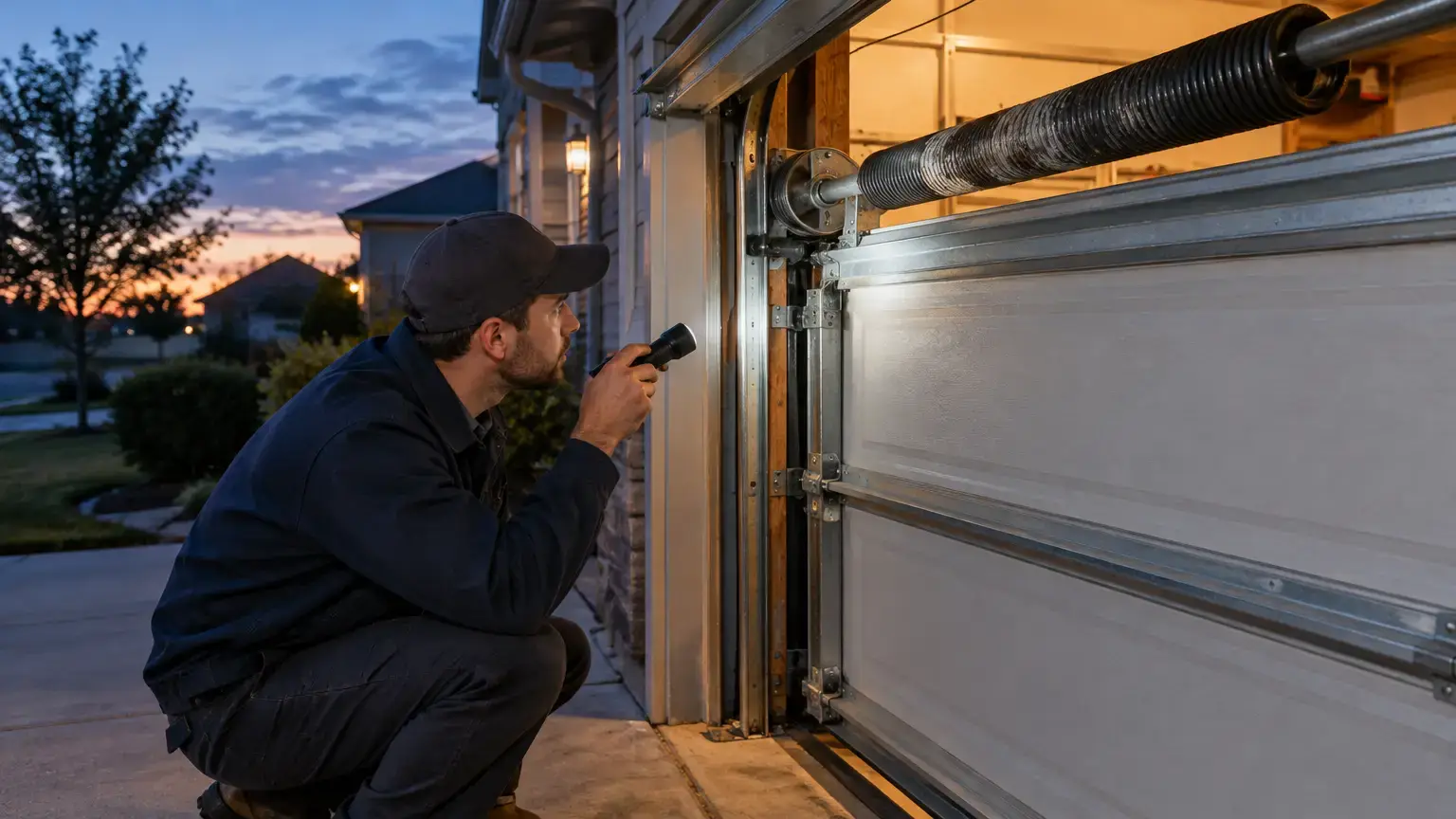
When a garage door stops working properly, one of the first questions is whether to repair it or replace it altogether. The right answer depends on the problem, the age and condition of the door, and the costs involved. Knowing how to weigh these up helps you make a sensible, cost-effective decision.
Here’s a guide to deciding whether to repair or replace a failing garage door.
Identify the problem first
Before deciding anything, you need to understand what’s actually wrong. Garage door faults range from minor issues like worn rollers or a faulty remote to serious problems like broken springs or a door off its track.
The nature of the fault heavily influences whether repair or replacement makes sense. Getting a professional to diagnose the problem gives you the facts you need, rather than guessing at the cause and the right course of action.
When repair makes sense
Many garage door problems are straightforward to repair, especially on a door that’s otherwise in good condition. Worn rollers, faulty openers, broken springs, and similar issues can often be fixed, restoring the door to good working order.
If the door is relatively sound and the fault is a specific, repairable component, garage door repairs are usually the sensible, economical choice. There’s no need to replace a good door over a single fixable problem.
When replacement is better
Sometimes replacement is the wiser option. If the door is old, worn out, badly damaged, or suffering from multiple problems, repairs can become a case of throwing good money after bad.
An ageing door that keeps developing faults, or one that’s significantly damaged, may be better replaced. A new door resolves the issues for good and can improve appearance, security, and efficiency at the same time.
Weigh up the cost
Cost is a key factor in the decision. A minor, inexpensive repair on a decent door is clearly worth it, but if the repair is major and costly, particularly on an older door, replacement may make more sense.
A useful rule of thumb is to compare the repair cost against the value and remaining life of the door. If you’d be spending a large portion of a new door’s cost to fix an old one, replacing is often the better value.
Consider the door’s age and condition
The age and overall condition of the door matter alongside the specific fault. A newer door in good condition is well worth repairing, since it has plenty of life left once the issue is fixed.
An older door nearing the end of its lifespan, especially one showing general wear, tilts the balance toward replacement. Factoring in the door’s overall state helps you avoid repairing something that will soon fail elsewhere.
Safety comes first
Some garage door problems are genuine safety hazards, particularly those involving springs, cables, or a door off its track. These are under great tension and can be dangerous, so they’re never a DIY fix.
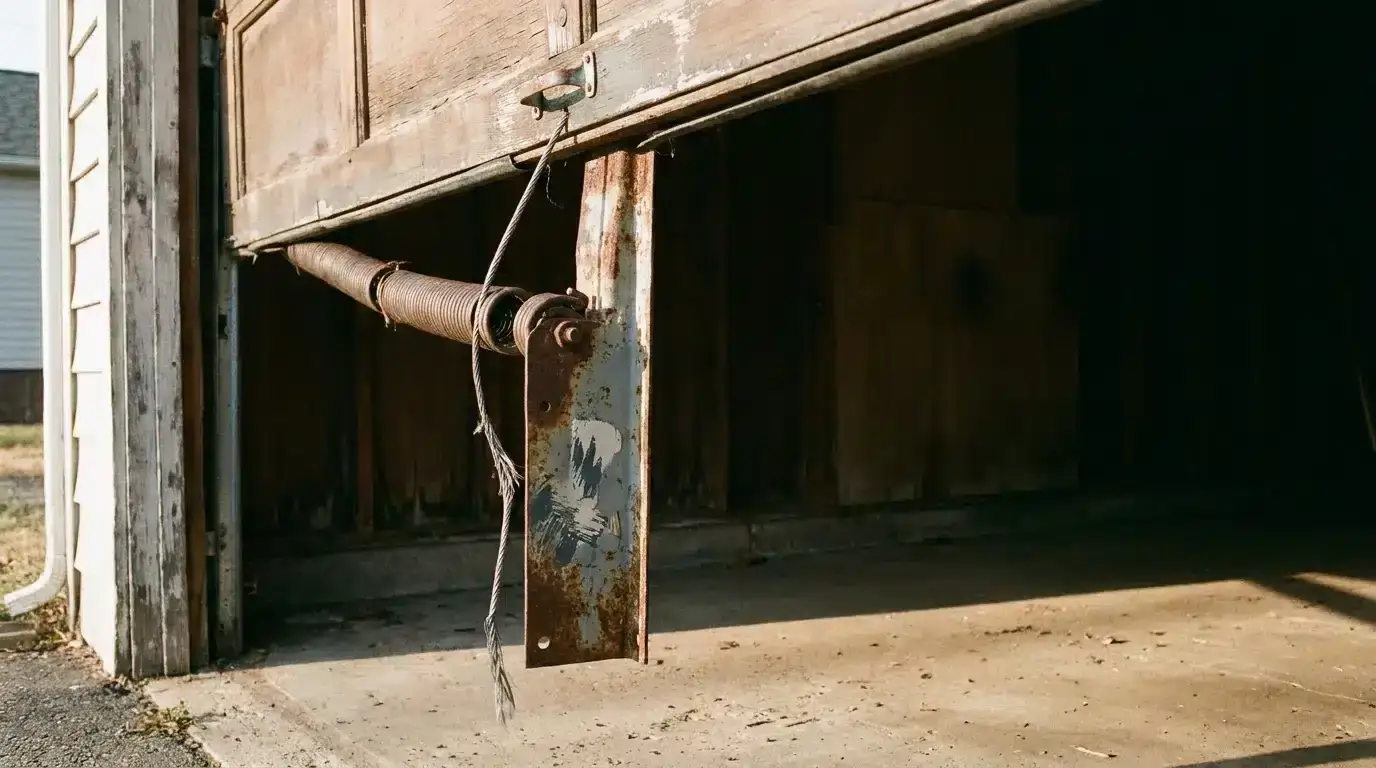
Whether you repair or replace, anything involving these components must be handled by a professional. Safety should always take priority over saving a few dollars, given the weight and tension involved in a garage door.
Think about the long term
When weighing up the decision, it helps to think beyond the immediate fix. A repair that gets an old door going again may be followed by further faults, whereas a new door resolves things for years to come.
Consider how long you plan to stay in the home and what you want from the door going forward. Sometimes spending a little more now on replacement saves repeated repair bills and hassle down the track, making it the better long-term value.
Making the right call
Deciding whether to repair or replace a failing garage door comes down to the nature of the fault, the door’s age and condition, the cost, and safety. Minor faults on good doors favour repair; serious problems on old doors favour replacement.
