
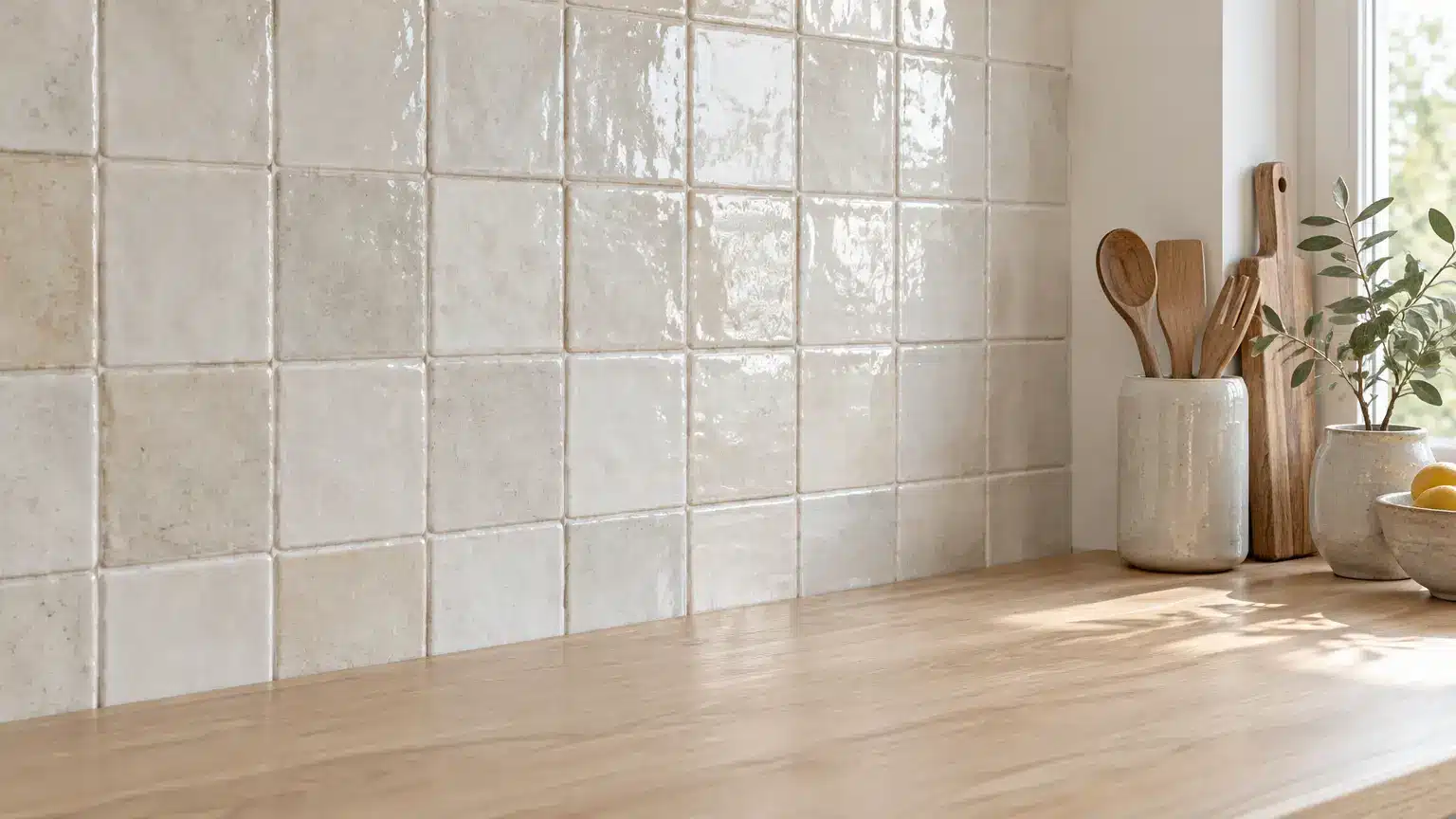
Imagine stepping into a kitchen where every surface is intentional—clean counters, streamlined cabinetry, and a calming palette. Yet, the space feels unfinished, missing the warmth and character that turns a functional room into a welcoming hub. Many minimalist kitchens face this challenge: how to introduce subtle visual interest without disturbing the serenity their design demands. Glazed Mino ware Japanese Tile offers a solution, transforming a plain backsplash into an element of quiet artistry. With a heritage rooted in centuries-old Japanese ceramics and a surface finish that plays with light, these tiles introduce depth, texture, and refined individuality—complementing minimalism rather than competing with it.
The impact goes beyond surface beauty. Each tile is the result of deliberate craftsmanship, with glazes that catch sunlight and handmade imperfections that gently break the monotony of flat walls. By choosing this approach, homeowners create a focal point that elevates the entire kitchen. The following sections examine the concrete ways in which glazed Mino ware tiles enrich minimalist kitchen backsplashes—from their storied origins to their real-world performance and aesthetic advantages.
Craftsmanship History Behind Mino Ware Japanese Tile
Mino ware, a style of Japanese ceramics that originated in the Gifu Prefecture, dates back over 400 years. Local artisans developed techniques that emphasized both function and beauty, firing clay at high temperatures and applying translucent glazes that enhance the natural tones of the material. This history is not just decorative—it shapes the qualities that make these tiles stand out in a modern kitchen backsplash.
Each glazed Mino ware Japanese Tile is hand-finished, meaning no two are exactly alike. The process involves layering mineral-rich glazes that react during firing to create subtle variations in color and texture. These marks of authenticity become especially noticeable in minimalist interiors, where less visual clutter allows the nuances of each tile to come forward. As explained in the tradition of Japanese ceramic craftsmanship, these unique characteristics are seen as assets rather than flaws, bringing warmth and depth to a simple kitchen setting.
For homeowners designing a streamlined space, selecting tiles with a centuries-old legacy is a way to incorporate authenticity. Instead of mass-produced surfaces, the backsplash becomes a living narrative—rooted in tradition yet perfectly adapted to modern life.
Aesthetic Appeal of Glazed Ceramic Surfaces in Simple Kitchens
The visual impact of glazed ceramic surfaces in a minimalist kitchen comes down to interaction with light and texture. The glossy finish of Mino ware reflects both natural and artificial light, making the backsplash subtly shimmer throughout the day. This effect enhances the sense of cleanliness and spaciousness that minimalist design emphasizes without introducing unnecessary ornamentation.
Color options for these tiles are often restrained: soft whites, muted blues, and earthy greens that work harmoniously with pale wood or monochromatic cabinetry. When arranged in a simple grid or brick pattern, glazed Mino ware tiles provide movement and dimension—every joint and surface catching the eye in a way that a flat painted wall cannot. Comparing different tile finishes for kitchen backsplashes helps readers choose a look that balances vibrancy with subtlety.
Texture also plays a significant role. The gentle undulation of each tile’s surface, a result of handmade shaping and glazing, adds tactile interest. This prevents the kitchen from feeling sterile, delivering personality while maintaining the pared-down aesthetic central to minimalist design.
Integrating Artisan Backsplash Designs into Modern Minimalist Spaces
Blending handcrafted tiles into a contemporary kitchen requires a thoughtful approach to layout and color. Homeowners often select a single tile format—such as a slim rectangle or classic square—to maintain visual order. The installation pattern, whether stacked or staggered, influences how the backsplash integrates with cabinetry and countertops, reinforcing the room’s geometry.
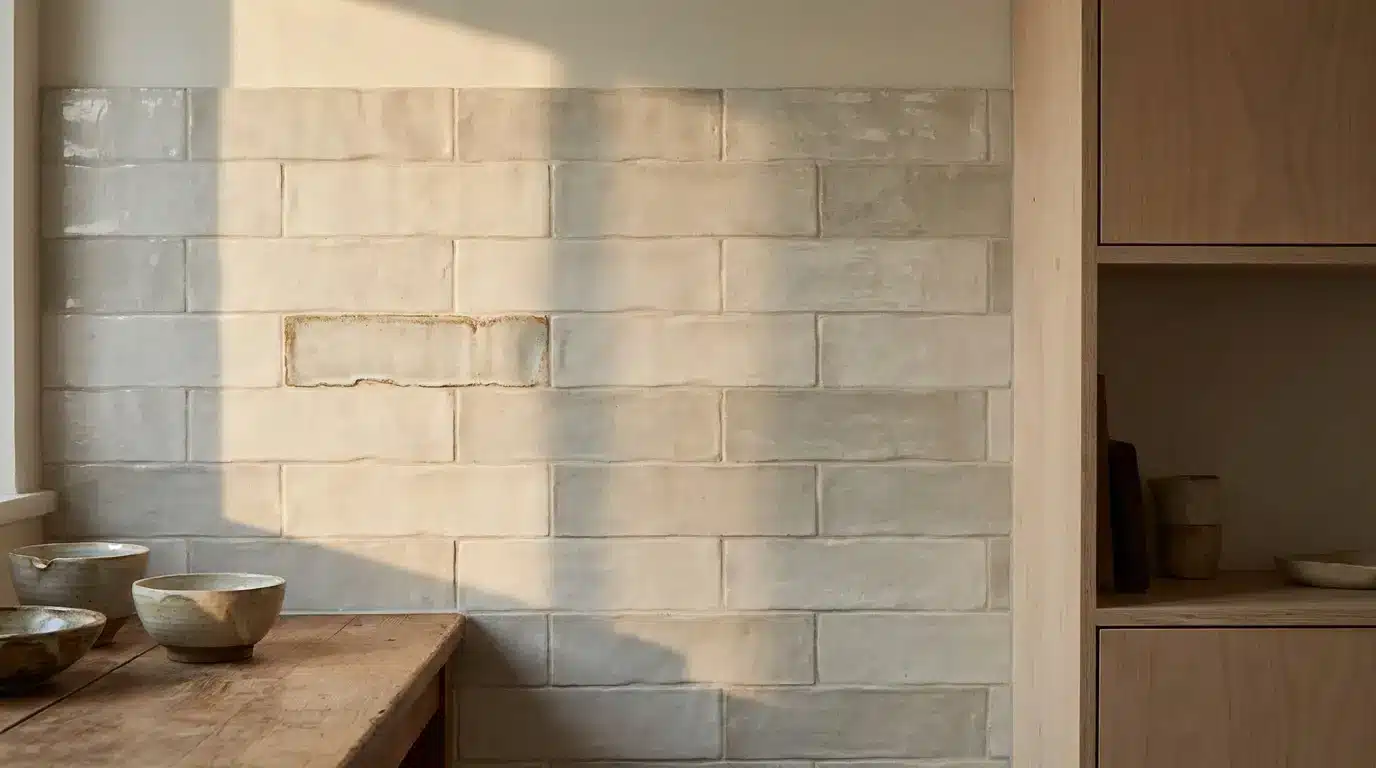
Choosing a soft, neutral glaze ensures that the artisan surface supports rather than dominates the minimalist scheme. For example, an off-white or light grey glazed Mino ware tile can unify a space while providing enough variation to keep the wall visually engaging. The use of Japanese Tile in this context brings tradition into dialogue with modern design, resulting in a backsplash that feels both fresh and rooted in history. This approach highlights the value of using materials with cultural significance to personalize a minimalist home.
Lighting also enhances the effect. Under-cabinet fixtures or directional ceiling lights draw attention to the handmade surface, revealing subtle shifts in hue and sheen. The result is a kitchen that feels serene and orderly, with just enough character to avoid blandness.
Maintenance and Durability of Traditional Japanese Wall Tiles
Durability is a key concern for any kitchen surface, and traditional Japanese wall tiles are well-suited to high-use environments. The glaze forms a hard, non-porous layer that resists staining from common kitchen splashes and is easy to clean with a damp cloth. This makes glazed Mino ware a practical choice for households looking to combine beauty with functionality.
The firing process used in Mino ware production strengthens the clay, reducing the risk of chipping or cracking under normal use. With proper installation and care, these tiles can retain their luster for years without fading or discoloration. Homeowners should always confirm that the specific tile type is recommended for kitchen applications, as some artisan ceramics are intended for decorative rather than functional use.
Regular maintenance involves wiping down the backsplash to remove grease or residue and occasionally checking grout lines for wear. The ease of care, combined with the long-lasting finish of glazed ceramics, means that a kitchen backsplash made from these tiles remains as inviting and beautiful as the day it was installed.
Conclusion
For those seeking to elevate a minimalist kitchen, investing in glazed Mino ware tiles delivers both visual sophistication and enduring practicality. Begin by requesting samples in your preferred colors and surface finishes to see how each option interacts with your space’s lighting and cabinetry. This hands-on step ensures your backsplash will not only complement your kitchen’s design but also become a subtle focal point that endures daily use.
