
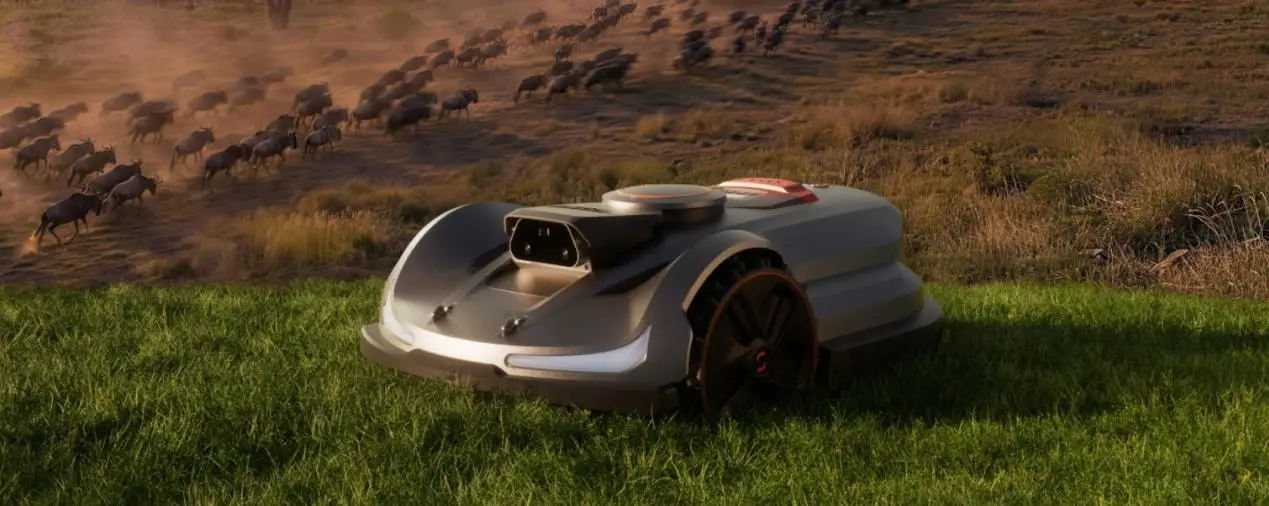
Wire-free robot lawn mowers are worth it for homeowners who want easier setup, cleaner automation, and less time spent managing lawn care. Traditional robot mowers often require buried boundary wires, which can make installation slower and harder to change later.
A wire-free model removes that step by using virtual boundaries, smart mapping, and positioning technology to guide mowing. This makes the mower easier to adapt when you add garden beds, change paths, or divide lawn zones. For many modern yards, the value comes from convenience, flexibility, and consistent cutting with less hands-on effort.
Why Homeowners Search for Wire-Free Mowers
Homeowners search for wire-free mowers because they want automation without a complicated installation process. Buried wires can break, shift, or limit future lawn changes. They also add work before the mower can even start. Wire-free models appeal to busy families, first-time robot mower owners, and anyone who wants a cleaner lawn setup. The main goal is simple: mow the grass automatically while avoiding cable installation, repeated border repairs, and manual adjustments when the yard layout changes.
What You Gain With a Wire-Free Robot Lawn Mower
Easier Setup Without Buried Boundary Wires
The strongest benefit of wire-free robot lawn mowers is the simpler setup. You do not need to dig, pin down, or bury a perimeter cable around the lawn. That saves time and reduces the chance of wire damage from edging, aeration, pets, or garden work. It also makes the mower easier to install in yards with curved borders or several mowing areas. Once the digital map is created, you can start mowing sooner and avoid the maintenance issues that often come with physical boundary wires.
Flexible Virtual Boundaries and Multi-Zone Control
Real-world yards may benefit from wire-free mowing thanks to the availability of virtual boundaries. In many cases, a lawn is not a straightforward rectangle. Side yards, front lawns, rear lawns, walks, trees, flower beds, and areas that do not need mowing are all included in this category. The use of digital mapping allows a wire-free robot mower to determine just where it should cut and where it should avoid cutting.
You are also able to arrange various mowing plans for different regions with the assistance of multi-zone control. Without having to replace a physical border system, this provides homeowners with more control over the frequency of mowing, the paths they take, and the coverage they get.
Cleaner Lawn Care With Less Manual Work
A good wire-free robot lawn mower can help keep the lawn looking neat through frequent, light trimming. Instead of waiting until grass gets tall, the mower cuts small amounts more often. This supports a more even finish and reduces the need for long mowing sessions. It also lowers the amount of manual labor needed during the growing season. Homeowners still need to check blades, clear debris, and maintain the mower, but the routine becomes easier. The result is a cleaner lawn with less weekly effort.
Best-Fit Yards for Wire-Free Robot Lawn Mowers
Wire-free robot lawn mowers fit best in yards that need flexibility and smart control. They work well for lawns with open areas, separated zones, curved borders, and landscaping features that would make boundary-wire installation difficult. They are also a strong choice for homeowners who plan to change their outdoor layout over time. Yards with paths, trees, garden beds, play areas, and mixed mowing zones benefit most from digital mapping. For the best performance, the mower should have reliable navigation, clear zone management, and enough traction for the lawn’s terrain.

How Sunseeker Elite Fits Wire-Free Lawn Care
Sunseeker Elite robot lawn mowers fit wire-free lawn care by combining smart navigation, mapping, obstacle awareness, and terrain handling in one system. AONavi™ 2.0 with Network RTK + VSLAM 2.0 supports centimeter-level accuracy without buried wires or local antenna installation. Virtual boundaries, advanced route planning, smart zoning, and multi-angle cutting help manage paths, trees, and divided lawn sections.
Vision AI 2.0 with binocular + iToF cameras supports day-and-night obstacle detection. Tri-wheel AWD climbs up to 70% / 35°, while selected models offer a 13.8-inch dual cutting disc, 0.8–3.9-inch cutting heights, 1.2-inch edge trimming, and quiet 60 dB operation.
Conclusion
Wire-free robot lawn mowers are worth it for homeowners who want a simpler, cleaner, and more flexible way to manage lawn care. They remove the hassle of buried boundary wires and make it easier to adjust mowing areas as the yard changes. The best models support accurate navigation, virtual boundaries, obstacle detection, multi-zone control, and strong cutting performance.
They are especially useful for modern yards with paths, trees, landscaping, and separated lawn areas. Choose one when convenience, adaptability, and steady automated mowing matter more than the lowest upfront cost.
