Ever feel like your “quiet afternoon” is one bored toddler away from total chaos?
We’ve all been there, and honestly, a little paint can be the ultimate sanity-saver.
Diving into easy painting ideas for kids isn’t just about keeping them busy; it’s about watching their faces light up when they realize a fork makes perfect grass or a thumbprint becomes a bumblebee.
You don’t need a fancy studio or expensive supplies to make magic happen, just some non-toxic colors, a bit of newspaper, and a sense of adventure.
These projects are designed to be low-stress for you and high-joy for them. So, grab a smock, clear off the kitchen table, and let’s get those creative juices flowing!
Easy Painting Ideas for Kids
Ready to turn your living room into an art studio? Painting with children doesn’t have to be a high-stress, messy ordeal. It’s a fantastic way to boost their fine motor skills and let their imaginations run wild.
1. Finger Painting Color Mixing

There is nothing quite like the sensory joy of squishing paint between your fingers. Start with the primary colors, red, yellow, and blue, and let your kids swirl them together directly on the paper.
It’s a hands-on science lesson where they can watch purple, green, and orange “magically” appear. Plus, the cleanup is just a quick sink trip away.
2. Handprint Animal Art
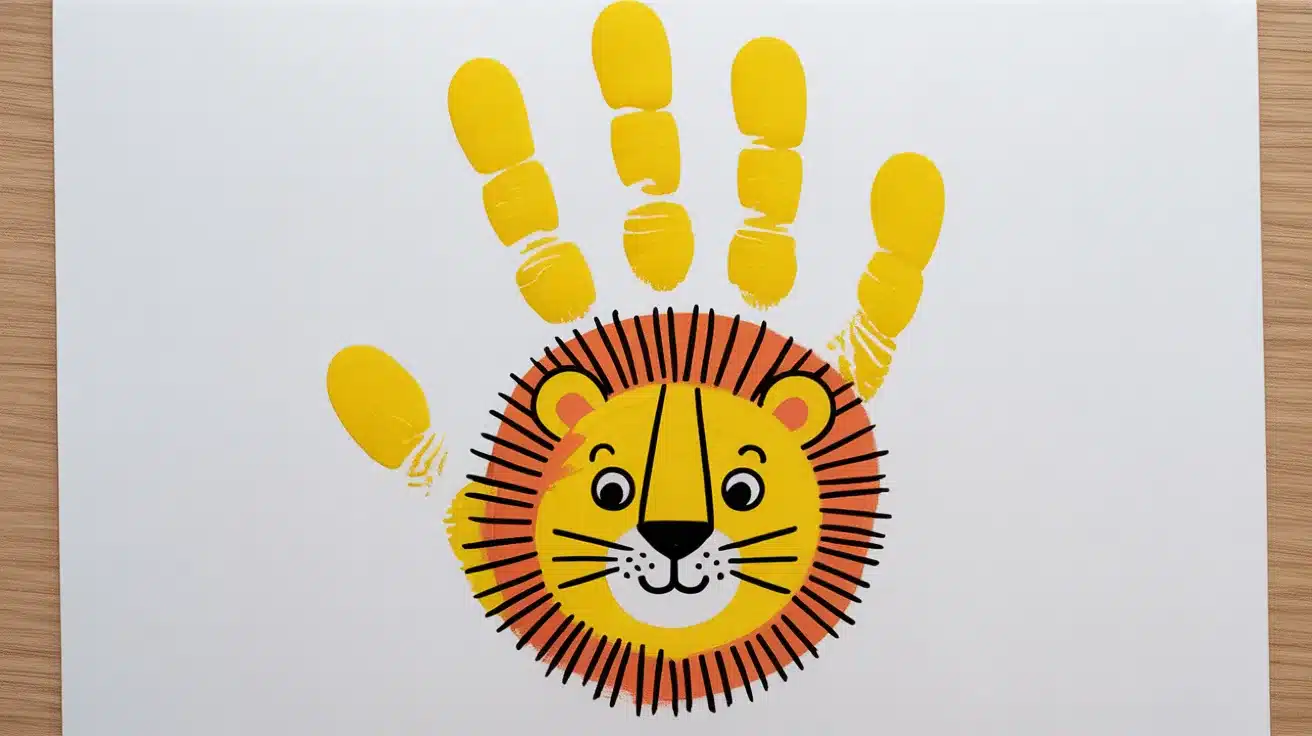
Turn those tiny palms into a wild zoo! By coating a hand in paint and pressing it firmly onto paper, you create a base for almost any creature.
A yellow handprint can become a lion’s mane, while a blue one makes a perfect fish. Once the paint dries, use markers to add eyes, whiskers, or feathers to finish the masterpiece.
3. Sponge Shape Stamping

Sponges are incredibly easy for small hands to grip. Cut ordinary kitchen sponges into stars, hearts, or circles to create custom stamps.
Kids can dip them into shallow trays of paint and march them across the paper. It’s a great way to explore patterns and geometry while keeping the process simple and repeatable for younger toddlers.
4. Cotton Ball Cloud Painting

For a soft, textured look, ditch the brushes and grab some cotton balls. Using a clothespin as a handle keeps fingers clean while kids dab white paint onto a blue background.
This technique creates beautiful, fluffy clouds that look remarkably realistic. It’s a perfect, gentle introduction to landscape painting that yields instant, satisfying results for little artists.
5. Q-Tip Dot Art

Cotton swabs are the perfect tool for creating “Pointillism” on a kid-friendly scale. By dipping a Q-tip in paint, children can build flowers, rainbows, or intricate mandalas using only dots.
This method is surprisingly calming and helps kids practice patience and precision. It’s also an excellent way to use up those last drops of paint in the bottle.
6. Bubble Wrap Texture Painting

Don’t throw away that shipping plastic! Paint the “bubbly” side of a sheet of bubble wrap and press it onto paper to create a cool, honeycomb-like texture.
It’s a fantastic way to make scales for a fish or a bumpy path for a toy car. The tactile experience of the plastic makes this a huge hit with sensory-seeking kids.
7. Straw Blow Abstract Art
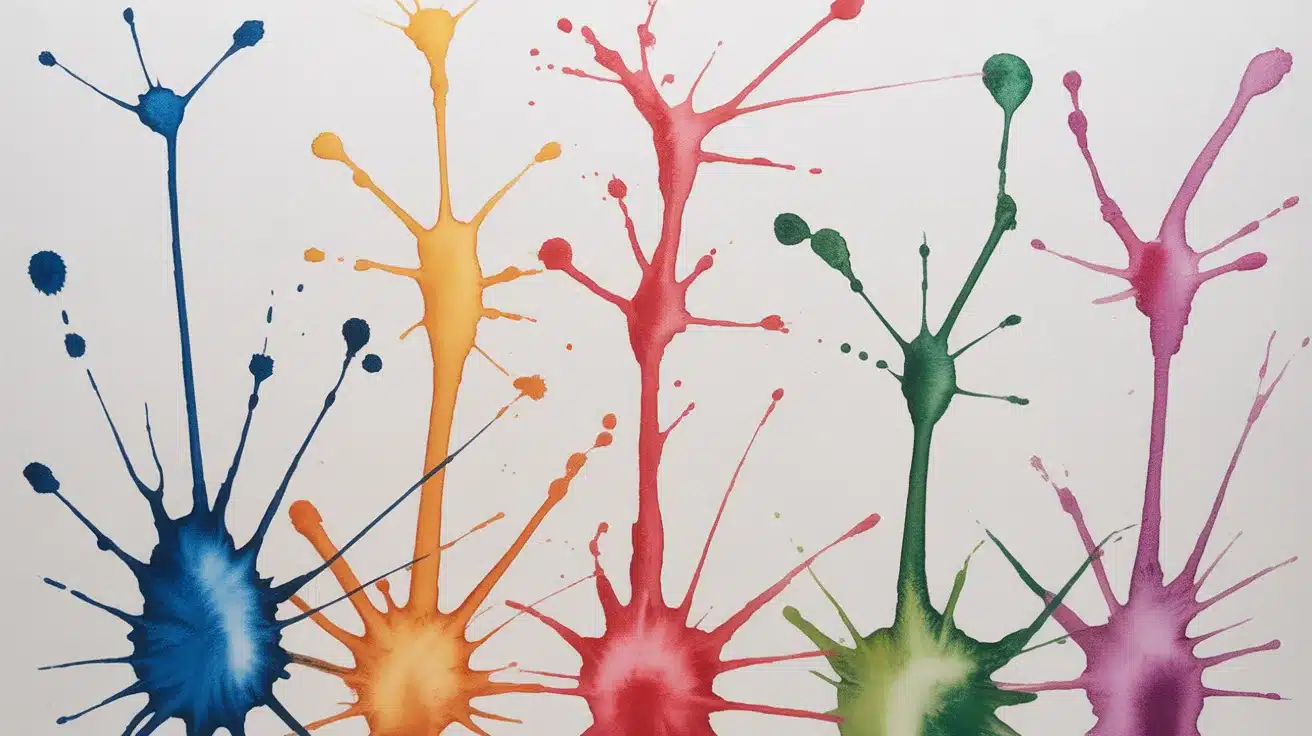
This technique is all about the “wow” factor. Place a few drops of liquid paint or watercolor on a page and have your child blow through a straw to move the paint around.
The result is a series of wild, branching designs that look like coral reefs or lightning bolts. It’s a fun, high-energy way to explore abstract expressionism.
8. Leaf Printing Nature Art

Combine a backyard nature walk with art time. Collect fallen leaves of various shapes and sizes, paint the veined side, and press them onto paper like a stamp.
This highlights the beautiful, intricate details of nature. It’s an easy way to teach kids about different tree species while they create a seasonal forest scene on their canvas.
9. Rock Painting for Beginners

Transform ordinary stones into “pet rocks” or garden decorations. Smooth, flat stones work best for painting ladybugs, monsters, or simple smiling faces.
Because the surface is small, it’s less intimidating than a large blank page. Once finished, these rocks can be hidden around the neighborhood to spread a little joy to neighbors and friends.
10. Rainbow Sponge Painting
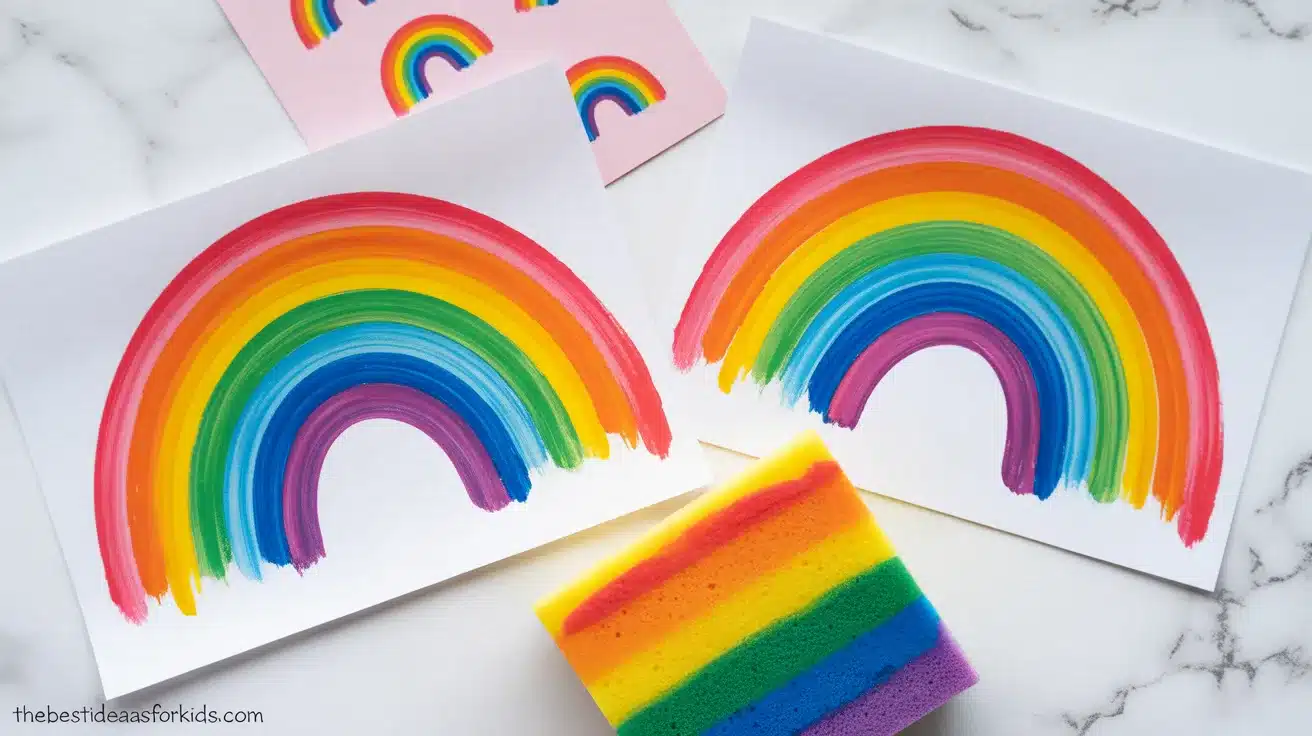
Create a perfect rainbow in one single swipe! Line up stripes of colored paint on a damp, rectangular sponge.
When your child drags the sponge in an arch across the paper, all the colors blend beautifully into a rainbow. It’s a “magic trick” style of painting that feels very rewarding and looks professionally done with very little effort.
11. Tape Resist Painting

Tape resist is the ultimate trick for clean lines. Use painter’s tape to create initials, geometric shapes, or “stained glass” patterns on paper.
Let your child paint over the entire page, tape and all. Once the paint is dry, peel the tape away to reveal the crisp, white paper underneath. The “reveal” moment is always the best part!
12. Watercolor Salt Art

Add a little kitchen science to your art session. While the watercolor paint is still wet, have your child sprinkle a pinch of table salt over it.
As the salt absorbs the water, it creates beautiful, crystalline textures that look like snowflakes or stars. It’s a simple way to add depth to any painting and fascinate curious young minds.
13. Galaxy Sponge Painting

Kids can create their own corner of the universe using dark blues, purples, and blacks. Use sponges to layer these colors, then add a few “stars” by flicking white paint from a brush.
It’s a great way to learn about blending and depth. This project is always a hit with young space enthusiasts who want to decorate their rooms.
14. Ice Cube Painting

This is the perfect outdoor summer activity. Freeze water mixed with food coloring or washable paint in an ice tray.
As the kids move the “paint cubes” across the paper, the ice melts, leaving vibrant streaks of color. It’s a cooling, sensory-rich experience that explores the transition from solids to liquids as you make art.
15. Ziplock Bag Mess-Free Painting

If you want the fun of painting without the cleanup, this is for you. Squirt a few dots of paint into a gallon-sized Ziplock bag and seal it tightly.
Kids can use their fingers to move the paint around from the outside. It’s a wonderful tactile experience that is completely contained and mess-free.
16. Paper Plate Animal Faces

Paper plates are the perfect sturdy “canvas” for little kids. Their circular shape makes it easy to create faces for bears, cats, or even sunshine.
Kids can paint the entire plate a solid color and then add ears, noses, and eyes using construction paper scraps. It’s a simple 3D art project that encourages character building and storytelling.
17. Flower Stamp Painting

Look in your refrigerator for your next set of stamps! The ends of celery stalks look like roses, and sliced okra creates perfect little star shapes. Dipping these “veggie stamps” into paint is a fun way to create a garden scene. It encourages kids to look at everyday objects in a creative way and makes for very pretty wrapping paper.
18. Fireworks Toothbrush Splatter

Don’t throw away those old toothbrushes! Dip the bristles into bright neon or metallic paint and use a thumb to “flick” the paint onto dark paper.
The result is a spectacular explosion of color that looks just like a July 4th fireworks display. It’s a bit messy, so this one is best done outdoors or with a heavy-duty smock.
19. Simple Canvas Heart Art

Using a small pre-stretched canvas can make a child feel like a “real” artist. Help them paint a large heart in the center and fill the background with their favorite colors.
These make wonderful gifts for Mother’s Day or Valentine’s Day. The solid surface of the canvas is easier for some kids to work on than flimsy paper.
20. Name Art Painting

Write your child’s name in large, block letters and let them decorate each letter with a different pattern or color. They can use dots, stripes, or even tiny thumbprint drawings.
It’s a personalized project that helps with letter recognition and gives them a sense of pride. These look great hung up on a bedroom door!
Safety Tips for Painting with Kids
Before you break out the supplies, keep these simple safety guidelines in mind to ensure a fun and stress-free experience for everyone.
- Use non-toxic paints: Always check labels for AP certification to ensure safety.
- Supervise small tools: Keep an eye on tiny items like Q-tips or caps to avoid choking hazards.
- Protect surfaces: Use an old tablecloth or newspaper to keep your furniture clean.
- Encourage handwashing: Make sure kids wash their hands thoroughly once the art session ends.
- Dress for the mess: Use old t-shirts or smocks to protect good clothing.
- Ventilate the area: Ensure the room has good airflow if using a lot of acrylics.
- Safe storage: Keep paint and sharp tools out of reach when not in use.
Conclusion
And there you have it, ways to turn a boring afternoon into a colorful masterpiece!
Whether you’re scrubbing blue fingerprints off the table or hanging a salt-art galaxy on the fridge, remember that the “mess” is actually just a sign of a kid having a blast.
These easy painting ideas for kids are all about the process, the laughs, and the pride they feel when they show off their work.
Don’t worry about perfection; just enjoy the creative spark. Ready to get started, but not sure which one to try first?
Tell me which idea your little artist would love most, and I can give you a specific “get ready” supply list for that project!