
Table of Contents
- Why Saturdays were getting a bit screen heavy
- Our 30 minute watercolor kit routine (that actually works)
- 7 low fuss painting prompts for kids (and tired parents)
- How to keep the mess contained in a normal UK home
- What to look for when buying a watercolor kit (without overthinking it)
- Frequently Asked Questions
- Conclusion
Confession: I used to start Saturdays with big intentions and end them negotiating “just one more episode” like I was brokering an international peace deal. The weather would do its usual UK thing (grey, damp, mildly personal), the kids would be bored within twelve minutes, and I would be one “Muuuum!” away from handing over a screen just for the silence.
Then we tried a watercolor kit, and not in a lofty “we now spend our weekends in mindful harmony” way. More in a “everyone is occupied, nobody is crying, and I can drink a cup of tea while it’s still hot” way. If you want a screen free-ish Saturday that feels doable rather than performative, this is the gentlest win I’ve found.
Within the first half hour, we also accidentally hit a few parenting sweet spots: screen-free activities, creative time for kids, and that elusive sense of “I made something” confidence that seems to calm their whole nervous system. Mine too, if I’m honest.
[IMAGE SUGGESTION: A cosy kitchen table setup with paints, water jars, paper, and a mug of tea | ALT TEXT: watercolor kit setup for kids on a rainy Saturday]
Why Saturdays were getting a bit screen heavy
I’m not anti screens. I’m anti the particular brand of screen time that leaves everyone more frazzled than before. You know the one: the child is half-zoned out, you’re scrolling, and somehow it still involves arguments.
The problem was always the same:
- Too much choice: if we said “do some drawing”, it was met with “of what?” and then the collapse on the sofa.
- Too much set up: getting everything out felt like a project in itself.
- Too much mess fear: paint sounded lovely until I imagined it on the rug, the dog, and my last clean hoodie.
A ready-to-go kit solved the decision fatigue. The paint is there. The tools are there. The “what are we doing?” question is answered before it becomes a whinge.
Our 30 minute watercolor kit routine (that actually works)
This is the conservative part of the plan: keep it short, repeatable, and easy to tidy. Also, if it goes well, you can always extend it. If it goes badly, you have only lost 30 minutes, not your entire will to live.
Step 1: Declare it a “short activity”
I say: “We’re doing a 30 minute painting session.” The timer goes on. Immediately it feels contained, which helps everyone, including me.
Step 2: One tray, one rule
Everything sits on a tray (baking tray, serving tray, whatever you’ve got). The rule is simple: paint stays on the tray or on the paper. Not the table. Not our sleeves. Not the cat.
Step 3: Start with a two minute warm up
Before anyone tries to paint “a real thing”, we do swatches. It scratches the “I want to start now” itch and reduces the odds of instant disappointment.
- Paint a strip of each colour.
- Add more water to see what happens.
- Pick a “favourite colour of the day”.
Step 4: Use a prompt, not a blank page
Blank paper is oddly intimidating, even for children who are loud about everything else. Prompts are the secret sauce.
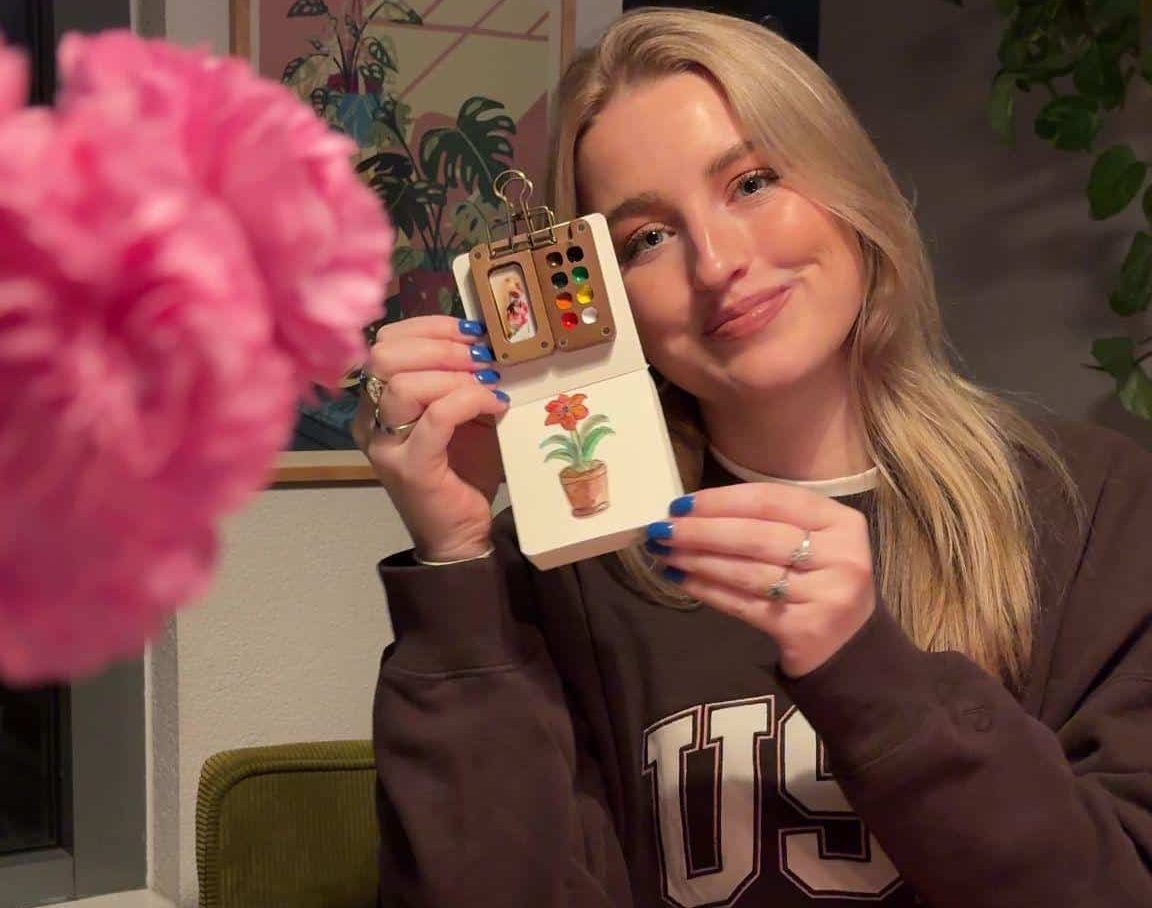
If you want a kit that makes this easier, Tobio’s Kits puts together beginner-friendly sets designed to reduce the faff, including guided elements so you can get straight to painting. This is the one we started with: Tobio’s Kits watercolor kit – https://tobioskits.com/
[IMAGE SUGGESTION: Close-up of a child painting simple swatches and a parent painting alongside | ALT TEXT: beginner watercolor kit swatches for kids and parents]

7 low fuss painting prompts for kids (and tired parents)
This is the disruptive part: you do not need to be “good at art” to make this work. In fact, the less pressure you bring, the better the vibe. These prompts are designed to be almost impossible to mess up, which is exactly what we want on a weekend.
- 1) Mood clouds: paint five cloud shapes, each one matching a feeling. Happy, sleepy, grumpy, excited, “hangry”. (Very relatable.)
- 2) Wet on wet rainbow blob: wet the paper first, then drop in colour and watch it spread. It feels like magic and buys you quiet.
- 3) Leaf prints: pop a leaf under the paper and rub pencil, then paint over it. Instant “wow”.
- 4) The “two colours only” challenge: choose two colours and paint a whole scene. Limits choices and stops the overmixing-to-brown situation.
- 5) Salt sprinkle texture: paint a wash, sprinkle salt, wait, then brush off. It looks like snow or stars.
- 6) Tape roads: use masking tape to make roads, paint over, peel, and you’ve got crisp lines without needing control.
- 7) Tiny gallery: cut paper into postcard sizes. One mini painting each, then “exhibit” them on the fridge like you’re the Tate but with more snack crumbs.
What I love about these is that they build confidence quietly. There is a beginning, a middle, and an end, and the child gets to finish something. That sense of completion is gold.
[IMAGE SUGGESTION: A mini “fridge gallery” of postcard-sized watercolor paintings held up with magnets | ALT TEXT: kids watercolor kit paintings displayed as a mini gallery]
How to keep the mess contained in a normal UK home
I do not have a dedicated art room. I have a table that also hosts homework, life admin, and the occasional existential crisis at 9pm. So yes, mess management matters.
- Use two water cups: one for rinsing, one for “clean-ish” water. Cuts down the swamp effect.
- Old shirt rule: everyone changes into a painting top. Non-negotiable.
- Kitchen roll under the palette: it catches drips and doubles as blotting paper.
- Drying zone: a windowsill or a high shelf where paintings can dry without being “improved” by a sibling.
- Stop before the meltdown: end on a high. The timer helps you leave them wanting more, not less.
Also, accept that one small blob of paint will end up somewhere unexpected. This is family life. If it helps, I’ve found watercolor is generally less catastrophic than poster paint, glitter, or anything involving glue that promises to be “washable” with the confidence of a liar.
What to look for when buying a watercolor kit (without overthinking it)
If you are choosing a watercolor kit for beginners or a family activity kit, here’s what actually matters in real life, not just in product descriptions.
Paint that re-wets easily
You want paint that activates with a bit of water rather than requiring you to scrub at it like you’re trying to remove a stubborn casserole dish.
Paper that can take a bit of water
Paper quality makes a bigger difference than extra colours. Thin paper buckles, which frustrates kids fast. Look for something designed for watercolor rather than generic “sketch paper”.
At least one decent brush
Lots of kits include several tiny brushes that are only useful for painting an ant’s eyelashes. One good all-round brush is the workhorse.
A setup that feels approachable
This is the underrated bit. If the kit feels precious, you won’t want to get it out. If it feels easy, you’ll use it. The best kit is the one you actually pull off the shelf on a rainy Saturday.
If you’re gifting, a curated set can be a lifesaver because it removes the guesswork. Tobio’s Kits is built around that idea: less “here’s a million bits” and more “open it, follow along, make something”.
Frequently Asked Questions
What is included in a Tobio’s Kits watercolor kit?
Contents can vary by kit, but Tobio’s Kits designs its watercolor kits as all-in-one bundles so you can start painting straight away. Check the product page for the exact list of paints, brushes, paper, and any guided instructions included.
Is a watercolor kit good for beginners?
Yes. A beginner-friendly watercolor kit reduces decision fatigue because it includes the essentials in one place. It also makes it easier to practise basic techniques like washes and blending without buying supplies separately.
What age is a watercolor kit suitable for?
Many kits work well for adults and teens, and can be used by children with supervision depending on the kit and any small parts. Always check the age guidance and safety notes on the specific kit you’re buying.
How do I choose the right watercolor kit?
Think about who it’s for, where they’ll use it (home or travel), and whether they want guidance. Beginners often do best with a curated kit that includes simple instructions and a manageable set of colours.
Do watercolor kits come with instructions or tutorials?
Some do, some don’t. Guided kits typically include printed instructions or a project booklet to help you get started with techniques and simple projects. Tobio’s Kits kits are designed with beginners in mind, so look for guidance details on the product description.
Conclusion
I’m not going to pretend a watercolor kit single-handedly solved weekends in our house. The children still argue about who looked at who. Someone still asks for a snack while holding a snack. But it has genuinely shifted the tone of rainy Saturdays from “how do we fill this day?” to “can we paint again?”
If you’re craving a calm, doable, screen free-ish routine that doesn’t require you to be an art teacher (or a saint), start small: 30 minutes, a tray, a simple prompt. And if you want a ready-to-go option that cuts down the faff, have a look at Tobio’s Kits and pick a set that suits your crew.
