
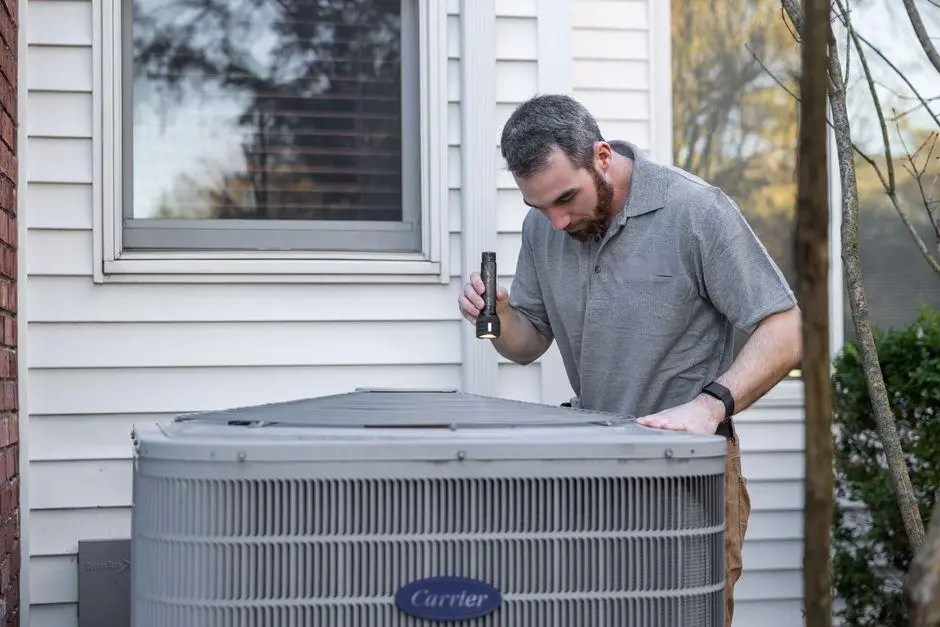
If your home turns stuffy the second summer arrives, your AC may be sending a pretty clear message. Replacing an air conditioning system isn’t exactly a fun purchase, but it can seriously affect your comfort, energy bills, and even your sleep. A smart replacement plan helps you avoid rushed decisions, oversized units, and expensive surprises hiding behind the thermostat.
Know the Signs Your Current AC Is Near the End
A struggling AC usually gives you warnings before it quits completely. You might notice weak airflow, warm spots in certain rooms, odd noises, or humidity that makes your house feel like a greenhouse with furniture.
Age matters too. Most central air systems last around 10 to 15 years, depending on maintenance, usage, and climate. If repair calls are becoming a seasonal tradition, replacement often makes more sense than another patch job.
Watch for these common red flags:
– Rising energy bills without a clear reason
– Frequent cycling on and off
– Refrigerant leaks
– Strange smells from vents
– Repairs that cost a big chunk of a new system
If your AC still runs but performs like it’s tired of the assignment, replacement may be the practical move.
Installation Quality Can Make or Break the System
A great AC unit installed poorly can perform worse than a decent unit installed well. That’s one of the least glamorous truths in home improvement, but it matters a lot.
Good air conditioner installation includes more than swapping old equipment for new. It may involve checking refrigerant charge, sealing ducts, inspecting electrical connections, verifying drainage, and testing airflow throughout the house.
If any of that gets rushed, your new system may cool unevenly, wear out faster, or use more energy than expected.
Ask practical questions before hiring anyone:
– Will they perform a load calculation?
– Will they inspect existing ductwork?
– Are permits required?
– What labor warranty is included?
– Will they test the system after installation?
The equipment matters, but the install crew often decides whether you actually get the performance you paid for.
Size Matters More Than Most Homeowners Expect
You might assume a bigger AC will cool your home better. It won’t. An oversized unit cools the space too quickly, shuts off early, and leaves humidity behind. That means clammy air, uneven temperatures, and extra wear on the system.
An undersized unit has its own problems. It runs too long, struggles on hot days, and drives up energy use while never quite catching up.
Proper sizing depends on more than square footage. A contractor should consider:
– Insulation levels
– Window size and direction
– Ceiling height
– Local climate
– Ductwork condition
– Number of occupants
This process is often called a load calculation. It sounds technical because it is, but skipping it is one of the fastest ways to waste money on the wrong equipment.
Efficiency Ratings Can Save You Money Over Time
When you compare systems, you’ll run into terms like SEER2 and ENERGY STAR. They’re not there just to make product labels look busy. These ratings help you judge how efficiently a system uses electricity.
A higher efficiency unit usually costs more upfront, but it can reduce monthly utility bills, especially if you live somewhere with long, hot summers. The trick is balancing purchase price with long-term savings.
Look at the full operating picture:
– Purchase and installation cost
– Estimated annual energy use
– Warranty coverage
– Repair history for that brand or model
– Availability of replacement parts
You don’t always need the fanciest high-efficiency model on the market. You do need one that fits your climate, your home, and your budget without turning your utility bill into a horror story.
Don’t Ignore Ductwork, Insulation, and Air Leaks
A new AC won’t solve comfort problems caused by leaky ducts or poor insulation. If cooled air escapes into the attic or crawl space, your system has to work harder just to keep up.
That can leave you with rooms that never feel right, even after a full replacement. It’s frustrating, and it’s common.
Before installation, it helps to evaluate the rest of the cooling puzzle:
– Duct leaks and disconnected sections
– Dirty or undersized return vents
– Inadequate attic insulation
– Drafty windows and doors
– Blocked supply vents
Think of it as system support. Your AC is only one part of the setup. If the house leaks air like a sieve, even the best equipment will struggle. Sometimes a smaller, well-matched system paired with envelope improvements gives better results than a powerful unit working against a flawed home.
Timing, Budget, and Financing Deserve a Real Plan
Most people replace an AC under pressure, usually during a heat wave, which is just rude timing from the universe. Planning ahead gives you more control over pricing, contractor availability, and system options.
If your unit is old but still functioning, start getting estimates before it fails. That gives you time to compare brands, labor terms, and efficiency levels without sweating through every conversation.
Budget planning should include more than the sticker price:
– Equipment cost
– Labor and permits
– Duct modifications
– Thermostat upgrades
– Electrical work if needed
– Future energy savings
Some homeowners also look into rebates, tax incentives, or financing options. A replacement is a major expense, but poor planning can make it cost even more. A little prep now can spare you a rushed decision later.
Smart Features and Thermostats Can Improve Daily Comfort
Modern AC systems often come with features that make daily life easier, not just cooler. Variable-speed motors, zoning compatibility, and smart thermostats can improve comfort without requiring you to babysit the controls.
A smart thermostat can learn your routine, adjust temperatures automatically, and help reduce waste when nobody’s home. That’s useful if your schedule changes often or if family members treat the thermostat like a competitive sport.
Helpful upgrades to consider include:
– Programmable or smart thermostats
– Zoned cooling for multi-story homes
– Humidity control features
– Quieter condenser units
– Better filtration for indoor air quality
Not every upgrade is essential. Still, some can noticeably improve comfort and efficiency, especially in homes where temperature swings, allergies, or uneven cooling are already a problem.
A Good Replacement Decision Balances Comfort and Long-Term Value
Replacing your AC isn’t only about surviving the next hot spell. It’s about choosing equipment and installation quality that support your home for years. A solid decision blends sizing, efficiency, installation standards, and the condition of the house itself.
If you take time to ask better questions, compare complete proposals, and look beyond brand names, you’ll be in a much stronger position. You’re not just buying a machine that blows cold air. You’re investing in comfort, energy performance, and fewer emergency calls when temperatures climb.
The best outcome usually comes from planning before failure, understanding what your home actually needs, and refusing to treat replacement like a quick box swap. Your future summer self will appreciate that.
