
In modern facilities, fire safety is far more than just installing alarms and sprinklers. As building designs become increasingly complex and regulations grow stricter, ensuring continuous oversight of fire hazards has become a necessity rather than an option. Fires can start silently, spread quickly, and cause damage that far exceeds the initial incident. For businesses, this risk translates not only into potential loss of life but also into significant financial and legal consequences. Understanding the critical role of continuous fire monitoring is essential for facility managers, safety officers, and regulatory authorities alike.
The evolving landscape of fire safety regulations reflects the increasing importance of vigilant monitoring. National and international standards emphasize proactive approaches to hazard detection, highlighting that early intervention is far more effective than reactive measures. Organizations such as the National Fire Protection Association (NFPA) and the Occupational Safety and Health Administration (OSHA) provide clear guidelines for maintaining safety, which often include measures for constant observation of potential fire risks. Beyond regulatory compliance, continuous fire monitoring instills a culture of safety, encouraging both employees and management to prioritize prevention and readiness at all times.
The Mechanics of Continuous Fire Monitoring
Continuous fire monitoring combines human oversight, technology, and procedural protocols to create a system capable of detecting and addressing fire hazards immediately. Unlike periodic inspections, which provide snapshots of safety conditions, ongoing monitoring ensures that potential threats are identified in real time. This can involve sophisticated sensor networks, surveillance systems, and human personnel trained to recognize early warning signs, even in challenging environments such as industrial facilities or high-rise buildings.
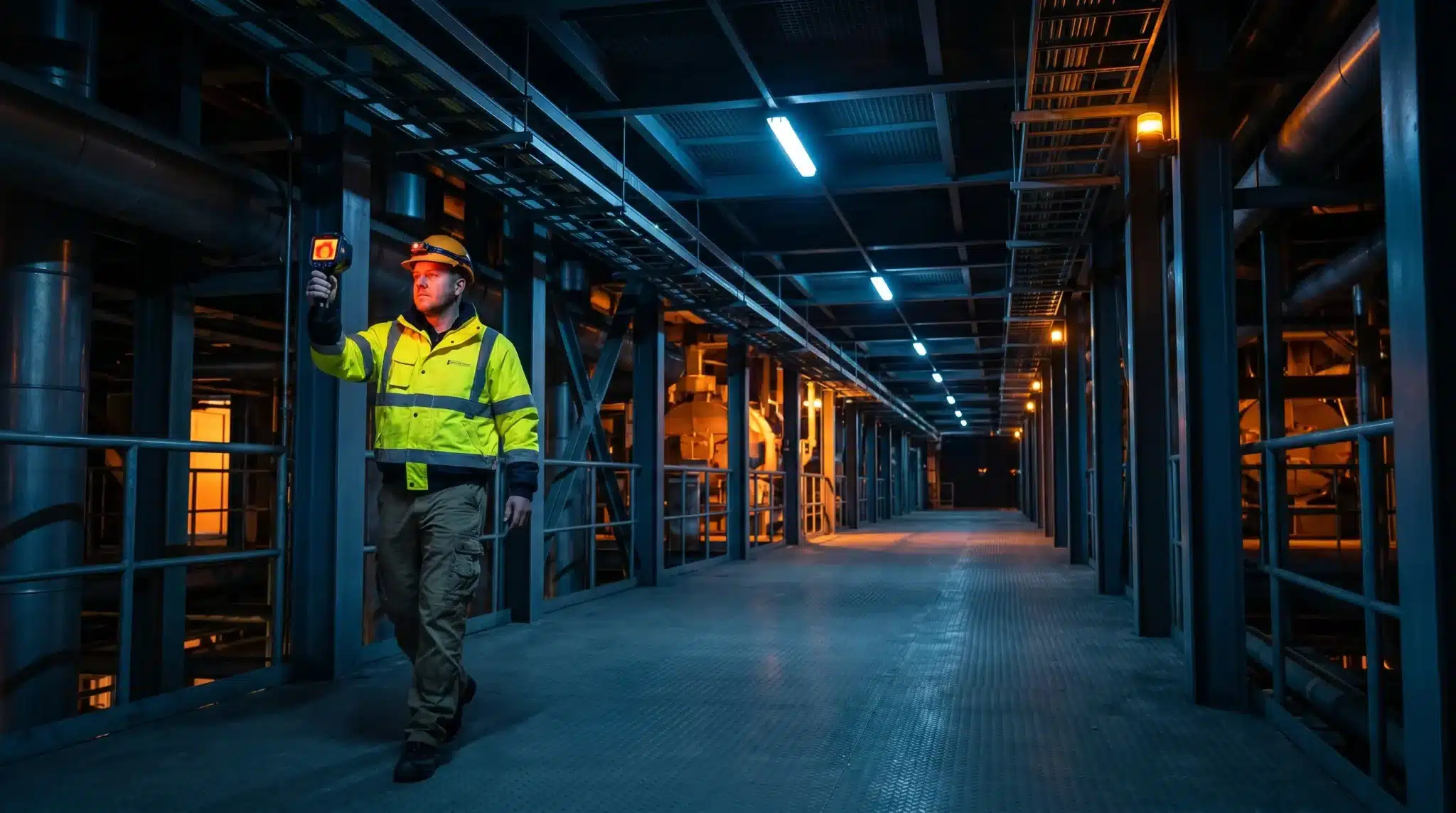
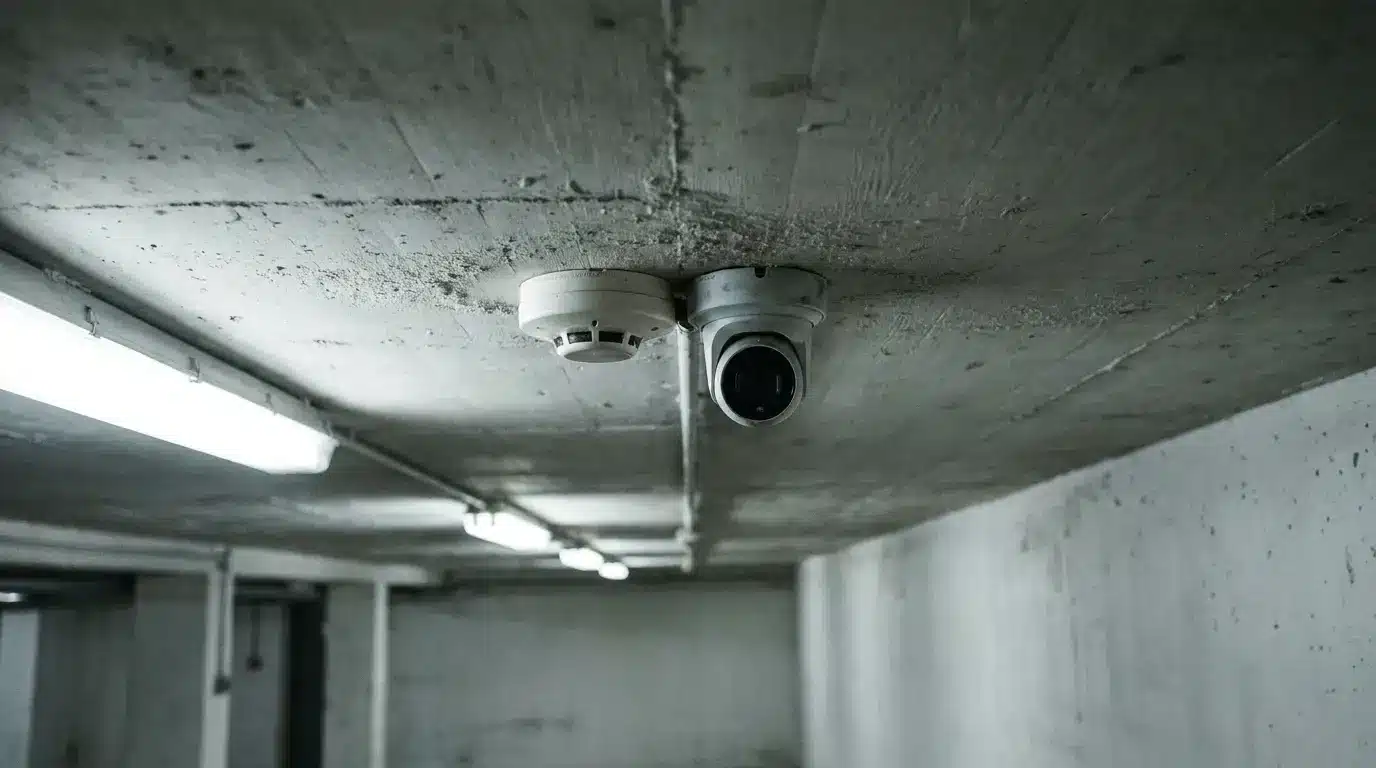
Technology plays a vital role in this system. Advanced smoke and heat detectors, thermal imaging cameras, and automated alert systems work together to provide 24/7 coverage. These tools allow facility managers to identify anomalies that might otherwise go unnoticed, such as subtle temperature fluctuations or small smoldering fires. Coupled with trained fire watch personnel, who can intervene or escalate incidents immediately, this integrated approach significantly reduces the likelihood of uncontrolled fire outbreaks.
Human involvement remains equally crucial. While technology can alert and provide data, trained personnel are essential for interpretation and response. Dedicated staff can conduct routine patrols, inspect equipment, and ensure compliance with fire safety protocols. This hands-on presence complements automated systems, providing a level of judgment and adaptability that machines alone cannot achieve. In many high-risk environments, implementing a 24-hour fire watch ensures that there is a continuous human presence capable of both observation and immediate action.
Legal and Regulatory Implications
Non-compliance with fire safety regulations can have severe legal repercussions. Building codes and occupational safety standards mandate that organizations implement appropriate fire protection measures. Failure to maintain continuous monitoring can result in fines, sanctions, or even legal liability in the event of injury or property damage. Courts often consider whether reasonable precautions, including constant surveillance and prompt response protocols, were in place when evaluating negligence claims.
Regulatory bodies consistently stress that proactive fire monitoring is not merely a recommendation but an expectation, particularly in high-risk industries. Facilities that handle flammable materials, operate heavy machinery, or store large quantities of combustible items are subject to stringent oversight. Continuous fire monitoring can demonstrate due diligence, providing documented evidence that the organization is actively managing fire risks. This documentation not only supports compliance audits but also strengthens an organization’s defense in legal proceedings, should an incident occur.
Beyond formal compliance, companies also face reputational risks. News of fire incidents often gains rapid public attention, potentially affecting investor confidence, customer trust, and employee morale. Organizations that prioritize continuous fire monitoring signal a commitment to safety, ethical responsibility, and operational integrity. This proactive stance aligns with broader corporate governance principles, reinforcing accountability across all levels of management.
Operational Benefits of Continuous Monitoring
The operational advantages of continuous fire monitoring extend beyond regulatory compliance. Facilities that maintain constant oversight experience lower rates of fire-related damage and disruption. Early detection allows for swift response, often containing incidents before they escalate. This not only reduces repair costs and downtime but also protects valuable equipment, inventory, and critical infrastructure.
Continuous monitoring can enhance overall workplace safety. By maintaining a visible and active fire watch, employees are more aware of fire hazards and safety protocols. Regular patrols and inspections identify potential risks such as blocked exits, malfunctioning alarms, or accumulation of combustible materials, creating opportunities for corrective action before an incident occurs. This proactive approach fosters a culture of vigilance and accountability, which is essential in both industrial and commercial settings.
For organizations managing multiple sites or large-scale facilities, remote monitoring capabilities provide additional operational efficiency. Centralized dashboards can track sensor data, alert notifications, and inspection logs, allowing safety managers to oversee multiple areas simultaneously. This integration of technology and human oversight ensures comprehensive coverage, making it feasible to maintain high safety standards without excessively increasing staffing costs.
Risk Mitigation and Emergency Preparedness
Continuous fire monitoring is a cornerstone of effective risk management. Fires can originate from diverse sources, including electrical faults, chemical reactions, human error, or natural causes. A single missed warning signal can escalate into a full-scale emergency with catastrophic consequences. By implementing 24/7 monitoring systems, organizations reduce uncertainty and enhance their ability to respond effectively.
Emergency preparedness is closely tied to continuous monitoring. Early detection provides critical time to activate fire suppression systems, evacuate personnel, and coordinate with local fire departments. Organizations can develop tailored response plans based on data gathered from monitoring systems, ensuring that every scenario—from minor incidents to major fires—is addressed systematically. This preparedness not only safeguards human life but also minimizes the operational and financial impact of emergencies.
Investing in continuous fire monitoring demonstrates a commitment to comprehensive risk mitigation. Insurance providers often recognize the value of proactive fire safety measures, sometimes offering reduced premiums to facilities that implement thorough monitoring programs. This financial incentive reinforces the operational and legal advantages, making continuous fire monitoring a strategic decision rather than just a regulatory obligation.
Conclusion
Continuous fire monitoring represents a critical intersection of safety, compliance, and operational efficiency. By combining advanced technology, trained personnel, and rigorous procedural standards, organizations can detect and respond to fire hazards before they escalate into serious incidents. The benefits extend beyond regulatory adherence, encompassing financial protection, reputational security, and a safer working environment for employees.
Prioritizing continuous oversight is both a practical and ethical responsibility. Establishing robust monitoring protocols, including measures such as a 24-hour fire watch, ensures that potential hazards are addressed in real time and that organizations maintain compliance with evolving standards. In an era where safety, accountability, and efficiency are closely intertwined, continuous fire monitoring is not simply an operational choice—it is an essential strategy for preserving life, property, and organizational integrity.
