

Building a planter box does not have to be complicated or expensive. With the right materials, basic tools, and a simple plan in place, anyone can put one together regardless of skill level or prior woodworking experience.
A DIY planter box gives full control over the size, style, and finish. Store-bought options rarely tick every box, whether it is the dimensions, the wood quality, or the overall look.
A custom build does exactly that and costs a fraction of the price in the process.
The build is straightforward, the results are lasting, and the satisfaction of making something with your own hands makes every minute spent on it completely worth it. Read more to find out how.
Materials Needed to Build a DIY Planter Box
| Category | What You Need |
|---|---|
| Wood | Cedar, pine, or redwood for the main structure |
| Fasteners | Galvanized or stainless steel screws and nails |
| Protection | Waterproof exterior sealant or exterior paint |
| Lining | Standard garden landscape fabric |
| Cutting Tools | Circular saw or handsaw, sandpaper (medium to fine grit) |
| Assembly Tools | Power drill, drill bit for drainage holes, wood glue |
| Measuring | Standard tape measure |
How to Make A Planter Box Step By Step
Knowing how to make a planter box comes down to following the right steps in the right order. Rushing through any of them leads to a box that looks unfinished or doesn’t hold up over time.
Step 1: Measure And Plan

Before picking up any tools, take time to carefully measure and plan your planter box.
Decide on the size that fits your space, whether it is for a windowsill, patio, or garden bed, and sketch out the exact dimensions, including length, width, and height.
Write down every measurement clearly before making a single cut. Planning ahead helps you calculate exactly how much wood you need, eliminates guesswork, reduces costly mistakes, and avoids unnecessary cuts.
A few extra minutes spent planning saves both material and time throughout the entire build.
Step 2: Cut The Wood

Once the measurements are finalized, it is time to cut the wood to size. Use the dimensions from your plan and mark each piece clearly with a pencil before cutting.
A circular saw works well for straight, fast cuts, while a handsaw is a reliable option if power tools are not available. Always cut on a stable surface and wear safety glasses to protect your eyes.
After each cut, lightly sand all the edges and surfaces using medium-grit sandpaper. This removes splinters, smooths rough patches, and gives the wood a cleaner finish before assembly begins.
Step 3: Drill Drainage Holes

Before putting the box together, take the base panel and drill several small holes evenly across the bottom. Use a standard drill bit sized around ½ inch for adequate drainage.
Space the holes a few inches apart to ensure water flows out evenly from all areas of the base. These drainage holes are essential because without them, water collects and sits at the bottom of the planter, slowly rotting the wood from the inside out.
Proper drainage also keeps plant roots healthy by preventing overwatering and waterlogging, giving your plants the best environment to grow and thrive.
Step 4: Assemble The Box

Once all the pieces are cut and ready, lay them out flat on a clean work surface to confirm everything fits correctly before joining.
Start assembly from the base up by attaching the two side panels first using wood screws, making sure they sit flush and straight.
Then secure the front and back panels in place, checking for alignment as you go. Apply a thin, even line of wood glue along every joint before driving in the screws.
The combination of glue and screws creates a much stronger, longer-lasting bond that holds up well outdoors.
Step 5: Sand And Seal
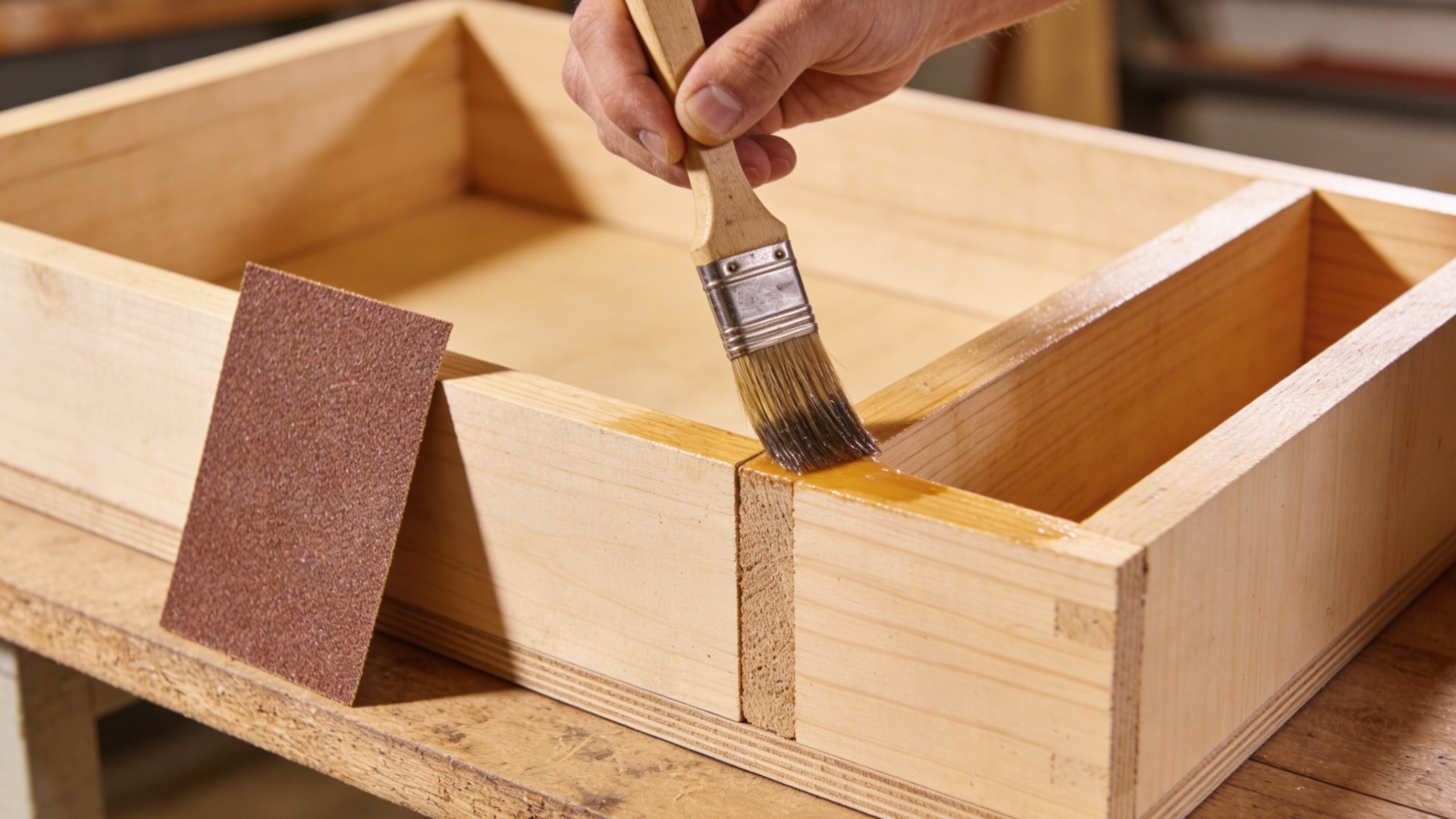

With the box fully assembled, go over the entire surface with fine-grit sandpaper for a smooth, even finish.
Choose a weather-resistant wood sealant or exterior paint depending on the look you want.
Apply at least two thin, even coats for maximum protection, allowing each coat to dry completely before adding the next.
This final step shields the wood from moisture, direct sunlight, and everyday outdoor wear, significantly extending the life of your planter box.
Best Wood Choices For A DIY Planter Box
| Wood Type | Rot Resistance | Durability | Cost | Availability | Best For |
|---|---|---|---|---|---|
| Cedar | Naturally high | Excellent | Medium–High | Widely available | Best overall choice for DIY planter boxes |
| Redwood | Naturally high | Excellent | High | Limited by region | Premium builds where budget allows |
| Pine | Low without treatment | Moderate | Budget-friendly | Widely available | First-time builders on a tight budget |
| Douglas Fir | Low without treatment | Good | Affordable | Widely available | Sturdy builds when properly sealed |
| Treated Lumber | High | Very durable | Medium | Widely available | Non-edible decorative planter boxes only |
Quick Tip: Cedar and Redwood are the safest long-term investments. Pine and Douglas Fir work well with proper sealing applied. Treated lumber should be avoided for edible garden planters due to its chemical content.
Planter Plans For Different Sizes And Styles
Having the right planter plans before picking up a saw makes the entire build smoother. The size and style of the box should match the space it’s going into and what’s being planted inside it.
1. Small Planter Box: A small planter box works well for herbs, succulents, or flowers. A standard small size runs around 12 inches long, 6 inches wide, and 6 inches deep. It fits easily on a windowsill, tabletop, or narrow ledge.
2. Medium Planter Box: A medium planter box suits vegetables, shrubs, or larger flowering plants. A common size is around 24 inches long, 12 inches wide, and 12 inches deep. It sits well on a porch, deck, or patio.
3. Large Planter Box: Large planter boxes work best for bigger plants, small trees, or raised garden beds. A typical large build runs 48 inches long, 18 inches wide, and 18 inches deep. These require more materials.
4. Tiered Planter Box: Tiered planter plans stack two or three levels of boxes on top of each other. Each level holds different plants, making it a space-saving option that adds height and visual interest.
5. Vertical Planter Box: A vertical planter box mounts against a wall or fence and grows plants upward rather than outward.
Common Mistakes To Avoid When Building A Planter Box
Even straightforward builds go wrong when certain steps get skipped or rushed. Knowing what to watch out for makes the process smoother and the finished result significantly better.
- Skipping drainage holes is one of the most common mistakes. Without holes at the base, water collects and slowly rots the wood from the inside while drowning plant roots over time. Drilling a few holes before assembly takes minutes and saves the entire build.
- Using the wrong screws causes problems that show up later. Regular steel screws rust quickly outdoors. Galvanized or stainless steel screws cost slightly more but hold up far better and prevent rust stains on the wood.
- Not sealing the wood shortens the lifespan considerably. Bare wood absorbs moisture, warps, and eventually cracks. A good exterior sealant applied before placing the box outside adds years to its life.
- Cutting without measuring twice results in uneven pieces that do not fit together cleanly, weakening the structure and wasting material. Always double-check every measurement before making any cut.
- Choosing the wrong wood for outdoor conditions creates problems down the line. Pine without proper sealing will not last outdoors. Matching the wood type to the environment and intended use matters more than most first-time builders expect.
- Building without a plan leads to inconsistent sizing and a box that does not fit the intended space. Having simple planter plans mapped out before starting keeps every step on track from the first cut to the last screw.
Conclusion
A DIY planter box is more than just a weekend project. It is a practical, rewarding build that delivers real and lasting value.
What makes it worth doing is the control it gives. Store-bought options come in fixed sizes, limited styles, and materials that do not always hold up through changing seasons.
Measure, cut, assemble, seal, and plant. With the right materials, basic tools, and a solid plan in place, anyone can complete a well-built planter box regardless of prior experience.
Building one also opens the door to more creative projects over time, leading to tiered planters, vertical wall gardens, and beyond. Have a suggestion? Comment down and keep the conversation going.
Frequently Asked Questions
How Long Does it Take to Build a DIY Planter Box from Scratch?
Most basic planter boxes take 2 to 3 hours to build, including measuring, cutting, assembling, and sealing. Larger or more detailed builds may take a full day, depending on size.
What is the Easiest Wood to Use When Learning how to Make a Planter Box?
Pine is the most beginner-friendly option, widely available, affordable, and easy to work with. Just make sure to seal it properly before placing the finished planter box outdoors.
Can Planter Plans be Adjusted to Fit Non-Standard Spaces?
Planter plans are fully adjustable. Standard dimensions can be modified to fit a specific space, making a DIY planter box far more flexible than a store-bought option.
